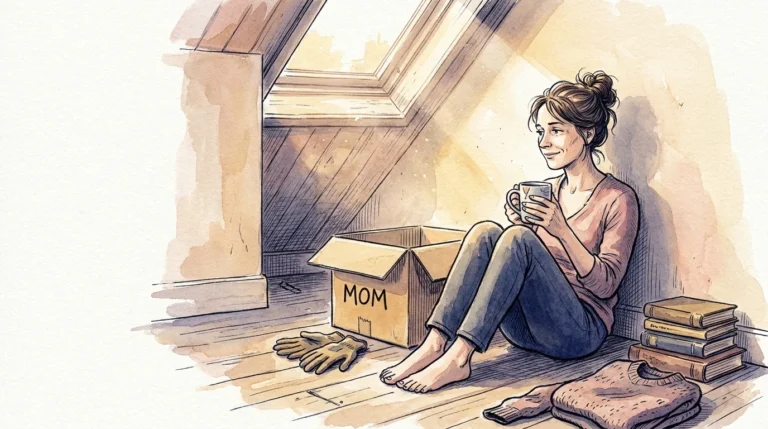
You juggle your aging mother’s medication schedule while your five-year-old builds a pillow fort across the living room rug. In that chaotic moment, you probably believe you hold all the answers because you manage the logistics.
Children often possess an instinctive emotional intelligence that adults lose beneath layers of stress and social conditioning. By reclaiming their innate perspective, you can reduce daily household tension and restore harmony across generations.
Listening to childhood wisdom transforms how you lead your family through complex daily routines. It allows you to trade frantic control for genuine connection.
The Science of Growing Out of Intuition
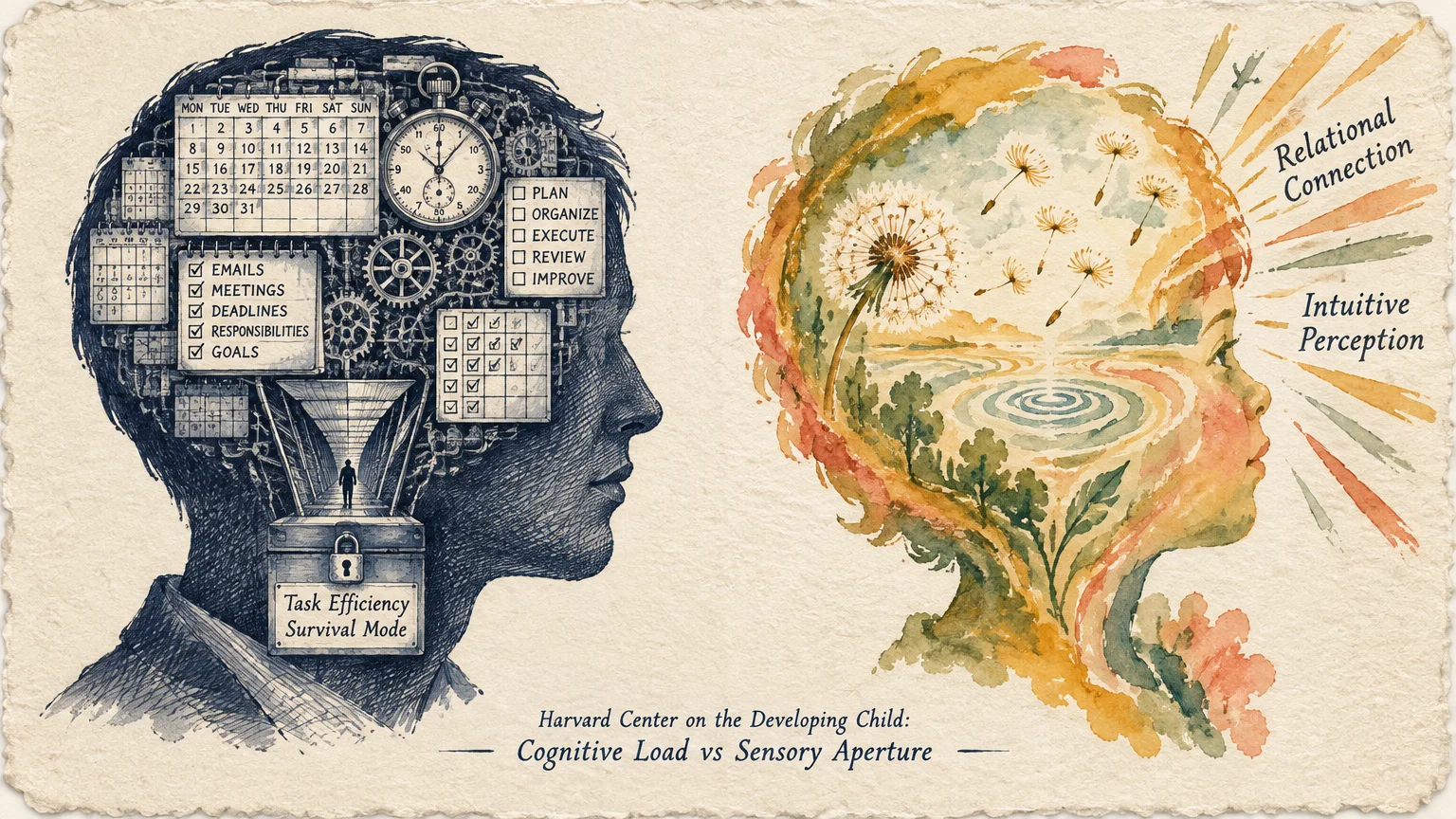
As adult brains mature, the prefrontal cortex develops powerful executive functions to assess risk, plan long-term goals, and enforce social expectations. This cognitive growth helps you manage complex households, but it often silences your immediate intuitive responses.
Research from the Harvard Center on the Developing Child shows that chronic adult stress narrows perception, locking caregivers into survival mode. You instinctively prioritize task efficiency while children naturally focus on relational connection.
Society also conditions adults to equate constant busyness with moral virtue and parental competence. You learn to silence physical fatigue, push past personal boundaries, and suppress messy emotional reactions.
Multigenerational caregivers face an even steeper cognitive load while balancing elder care, child rearing, and household chores. This chronic overload traps your nervous system in a state of perpetual hypervigilance.
Children lack this heavy cognitive and cultural burden, which keeps their perceptive faculties open to the immediate environment. They register subtle emotional shifts and sensory cues that fatigued adults unconsciously ignore.
Ten Instincts Children Grasp Naturally
1. Living Fully in the Present Moment
Adults spend countless hours ruminating over yesterday’s missteps or worrying about tomorrow’s schedule. Children anchor themselves entirely in the physical sensations of right now.
When your toddler watches an ant crawl across the sidewalk, the upcoming utility bill ceases to exist. Stepping into their focused absorption grounds your nervous system and halts runaway worry.
Presence transforms routine caregiving from an exhausting marathon into a series of manageable, shared moments. Breathing with your child pulls your mind out of future anxiety.
2. Complete Emotional Transparency
When sadness or anger strikes a child, they express the feeling fully and without shame. Adults tend to swallow frustration until it erupts into passive aggression or physical exhaustion.
Crying discharges toxic stress hormones rapidly through healthy biological release valves. Once children finish crying, they reset their emotional baseline and resume daily activities without lingering bitterness.
Naming your own emotions openly teaches everyone in your multigenerational home that feelings are safe to experience. Transparent honesty dissolves chronic household tension before it festers.
3. Unfiltered Curiosity Over Pretense
Adults frequently nod along in conversations to avoid looking uninformed, vulnerable, or inexperienced. Children never hesitate to ask direct questions about unfamiliar situations.
Their fearless inquiries dismantle false pretenses and foster authentic communication across generations. Asking simple, direct questions creates psychological safety within multigenerational homes.
When you trade defensiveness for genuine curiosity, family conflicts resolve much faster. Replacing judgment with simple questions invites your aging parents and growing children to speak openly.
4. Play as an Essential Biological Need
Society teaches adults to view downtime as an earned reward for relentless productivity. The American Academy of Pediatrics emphasizes that free play builds resilient neural pathways and lowers cortisol.
Children view play as their primary occupation rather than an optional luxury. Joining their imaginative games offers therapeutic relief for your own overworked mind.
Playfulness injects levity into heavy caregiving routines, such as helping an elder bathe or encouraging a toddler to dress. Humor turns arduous obligations into cooperative games.
5. Clean, Unapologetic Boundary Setting
Ask a preschooler if they want to hug an unfamiliar acquaintance, and you will receive an honest answer. Adults produce elaborate excuses to decline invitations because they fear social disapproval.
Children honor their internal instincts without crafting deceptive narratives. Relearning how to deliver a clear, neutral refusal preserves your vital emotional reserves for family care.
Protecting your household schedule requires saying no to nonessential social obligations. A simple, polite refusal protects your family from schedule overload and emotional exhaustion.
6. Swift and Sincere Forgiveness
Two young siblings can argue fiercely over a toy truck and share a snack five minutes later. They release grievances because companionship matters far more than proving a point.
Adults nurse resentments for years, erecting emotional walls against aging parents, partners, or siblings. Adopting a child’s short memory for minor slights protects family unity.
Forgiveness does not mean tolerating harm; it means choosing relational harmony over righteous pride. Letting go of small household irritations restores peace to communal spaces.
7. Prioritizing People Over Possessions
A child chooses an empty cardboard box and an attentive parent over an expensive gadget. They measure true security through shared laughter, eye contact, and warm physical closeness.
Caregivers frequently exhaust themselves working overtime to purchase material comforts for their households. Your family remembers your calm, focused presence long after they forget material items.
Investing in relationships rather than material perfection eases financial anxiety. Your presence remains the most valuable resource you can offer to both children and elders.
8. Honoring Body Signals Instantly
When children feel tired, they collapse into sleep; when their bodies need movement, they sprint across the room. Adults override physical fatigue with caffeine and push their bodies toward collapse.
Tuning into somatic cues prevents chronic health crises and caregiver burnout. Honoring physical exhaustion by resting keeps your caregiving capacity sustainable for the long haul.
Pausing to stretch, drink water, or take a brief nap improves your emotional patience. Treating your body with kindness models healthy habits for the entire household.
9. Finding Wonder in Ordinary Routines
To a young child, splashing in warm dishwater or watching bread dough rise feels like pure magic. Adults transform daily maintenance into joyless checklists that feel draining to execute.
Looking at mundane chores through an imaginative lens softens household tension. Joy lives in the ordinary rhythm of sweeping floors and preparing communal meals together.
Pausing to admire a sunset with your elder parent or observing garden insects with your child adds reverence to the day. These brief pauses turn ordinary caregiving into meaningful rituals.
10. Seeing People Without Biased Assumptions
Children connect with elders and strangers by assessing warm smiles and gentle body language. They do not evaluate people based on professional prestige, wealth, or cultural status.
This unconditional acceptance helps children bond deeply with grandparents facing memory loss or physical decline. Emulating their open-hearted perspective deepens compassion across your entire household.
Stripping away societal expectations allows you to meet family members where they are today. This pure acceptance transforms challenging caregiving dynamics into spaces of mutual dignity.
Three Actionable Systems for Multigenerational Harmony
The Daily Ten-Minute Floor Reset
Dedicate ten uninterrupted minutes each evening to sit on the rug alongside your children and elders. Put your smartphone in another room and let the youngest family members direct the play.
Lowering your physical posture shifts the household dynamic from hierarchical control to collaborative presence. It signals to everyone that connection matters more than an unfinished to-do list.
Even frail grandparents can participate from a low armchair by rolling a ball or commenting on block towers. This ritual re-establishes emotional safety after a chaotic day.
Collaborative, Joy-Centered Chore Sharing
Replace rigid chore charts with cooperative partnership rituals. Pair an aging grandparent with a young child to sort clean laundry while sharing personal childhood stories.
Playing upbeat music and treating tasks as cooperative games removes dread from domestic work. This approach respects physical limitations while fostering meaningful cross-generational companionship.
When chores become shared social events, individual resentment evaporates. Everyone feels valued because their contribution actively supports the family community.
The Five-Minute Clean Slate Script
When tempers flare between exhausted caregivers and family members, implement an immediate verbal reset. Once breathing slows, state clearly: I love you more than this disagreement, and we can begin again right now.
Using this pediatric repair script cuts through defensive adult posturing. It reassures vulnerable family members that relational security never depends on total agreement.
Practicing rapid emotional repair prevents arguments from spilling into bedtime routines. It teaches young and old that conflicts are temporary disruptions rather than permanent ruptures.
Expert Insights and a Real-World Household Story
Family therapists emphasize that children act as intuitive barometers for the emotional climate of a home. When caregivers suppress anxiety, young children register that internal conflict through behavioral disruptions.
Specialists at the Child Mind Institute note that children thrive when parents model self-regulation instead of maintaining a facade of perfection. Vulnerability fosters family resilience.
Clinical social workers from the National Institute on Aging remind us that multigenerational caregivers face unique emotional fatigue. Balancing elder care with parenting requires ongoing self-compassion.
Consider Marcus, who manages his mother’s dementia care alongside raising his seven-year-old twins. Dinnertime used to disintegrate into frustration whenever his mother forgot where to place her silverware.
Marcus noticed that his daughter never corrected her grandmother’s placement errors. Instead, she rearranged her own fork to match her grandmother’s setting and chuckled warmly.
Adopting his daughter’s lighthearted grace dissolved tension for everyone at the table. Marcus stopped policing table manners and began enjoying their shared evening meal.
This simple shift protected his mother’s self-esteem while teaching his children profound empathy. It proved that childhood wisdom often holds the key to multigenerational peace.

Building Your Caregiver Resilience Toolkit
Sustaining this childlike mindset requires practical community infrastructure so you do not carry caregiving pressures alone. Local adult day centers offer therapeutic activities for aging parents while providing you with necessary breathing room.
Explore state-funded respite care vouchers through regional family support networks. The Child Welfare Information Gateway connects families with local programs designed to strengthen kinship stability.
Telehealth counseling platforms provide flexible mental health consultations during quiet evening hours. Working with a licensed family therapist helps you release unrealistic expectations and process caregiving grief.
Kinship care programs assist grandparents raising grandchildren or relatives stepping into primary caregiver roles. These initiatives offer legal guidance and financial stipends to maintain household equilibrium.
Peer support groups offer invaluable camaraderie with other adults navigating the sandwich generation squeeze. Hearing fellow caregivers share their trials normalizes your struggles and reveals creative local solutions.
Frequently Asked Questions
How can I apply childhood wisdom when my schedule feels suffocating?
You do not need to alter your entire daily schedule to benefit from these insights. Choose one micro-moment, such as taking three deep breaths before answering your parent or child, to practice presence.
Savoring brief pauses during normal routines retrains your nervous system. These tiny resets accumulate into profound emotional resilience over time.
How do I handle wildly different sibling temperaments and needs?
Honor individual sensory thresholds instead of forcing identical routines onto every child. One child might process stress through solitary drawing, while another needs vigorous physical wrestling to reset.
Observe how each child instinctively decompresses after school. Providing tailored outlets prevents sensory overload from escalating into sibling rivalry.
How can co-parents stay aligned on these emotional practices?
Hold a brief, ten-minute check-in each Sunday evening to assess emotional stress rather than basic logistical duties. Ask each other what felt heavy during the week and listen without offering unsolicited fixes.
Approaching co-parenting conversations with childlike curiosity rather than defensive criticism strengthens your partnership. Mutual validation keeps both caregivers anchored during turbulent family phases.
How do I avoid caregiver burnout while looking after multiple generations?
View personal rest as a fundamental duty to your family rather than an optional indulgence. You cannot provide patient, compassionate guidance when operating on chronic sleep loss and nutritional neglect.
Set clear limits on caregiving tasks and accept outside community support without guilt. Honoring your personal limits preserves your health and strengthens your household over the long haul.
Returning to What Matters Most
You do not need complicated theories to build a harmonious, resilient multigenerational home. The wisest mentors already sit at your kitchen table, playing with cardboard boxes and giggling at silly jokes.
Take time to pause, listen closely, and notice how children meet each moment with open curiosity. Embracing their simple clarity transforms daily household friction into lasting, joyful connection.
Trust that small shifts in perception yield lasting peace for every generation under your roof. By honoring childhood wisdom, you build a home rooted in warmth, empathy, and enduring stability.