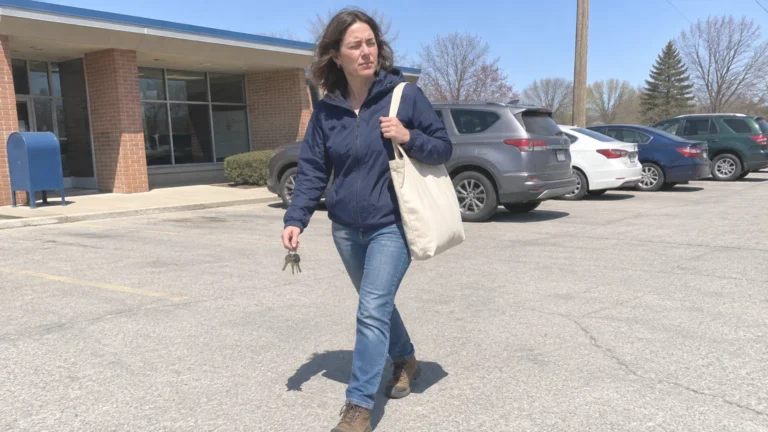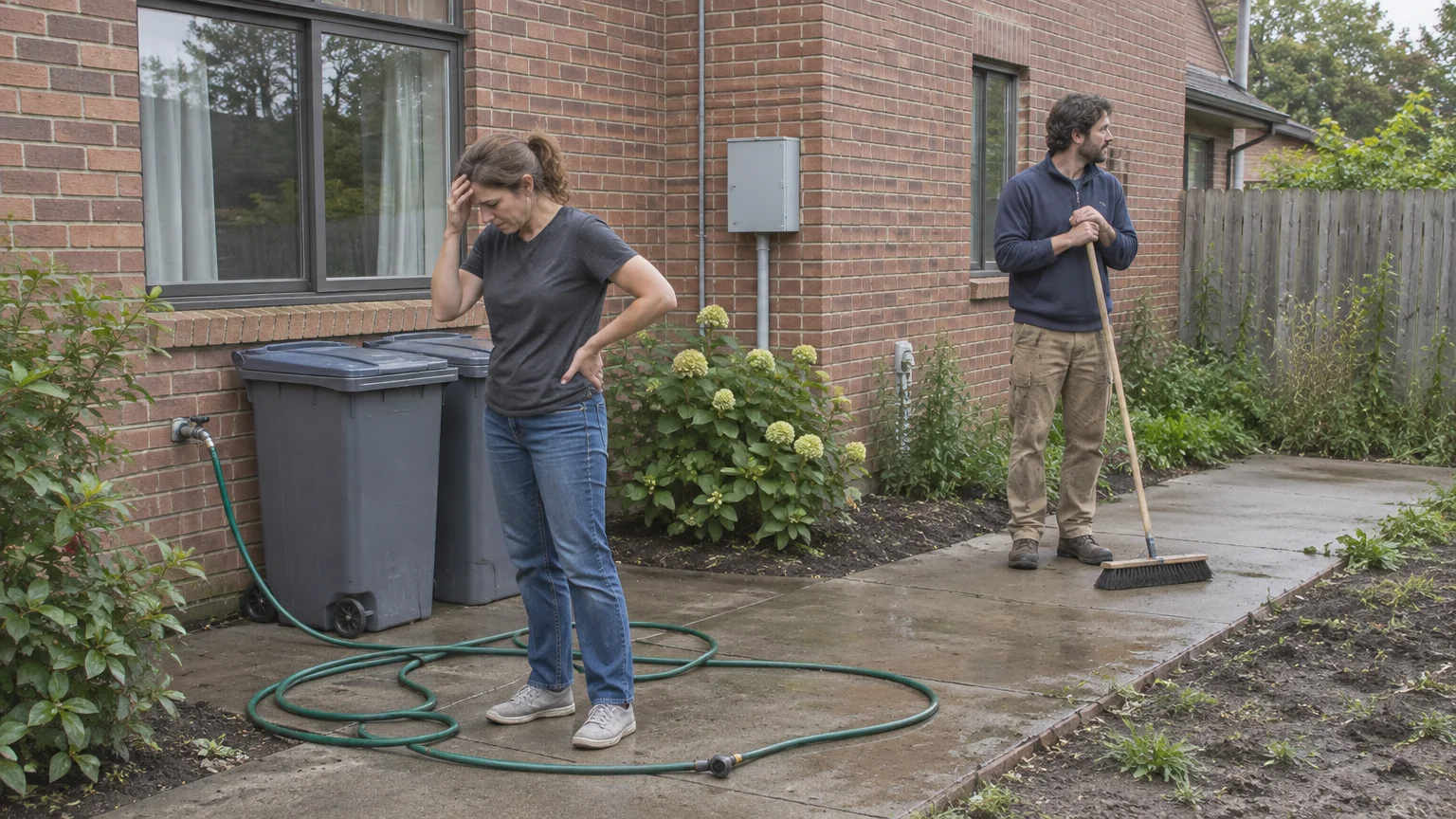
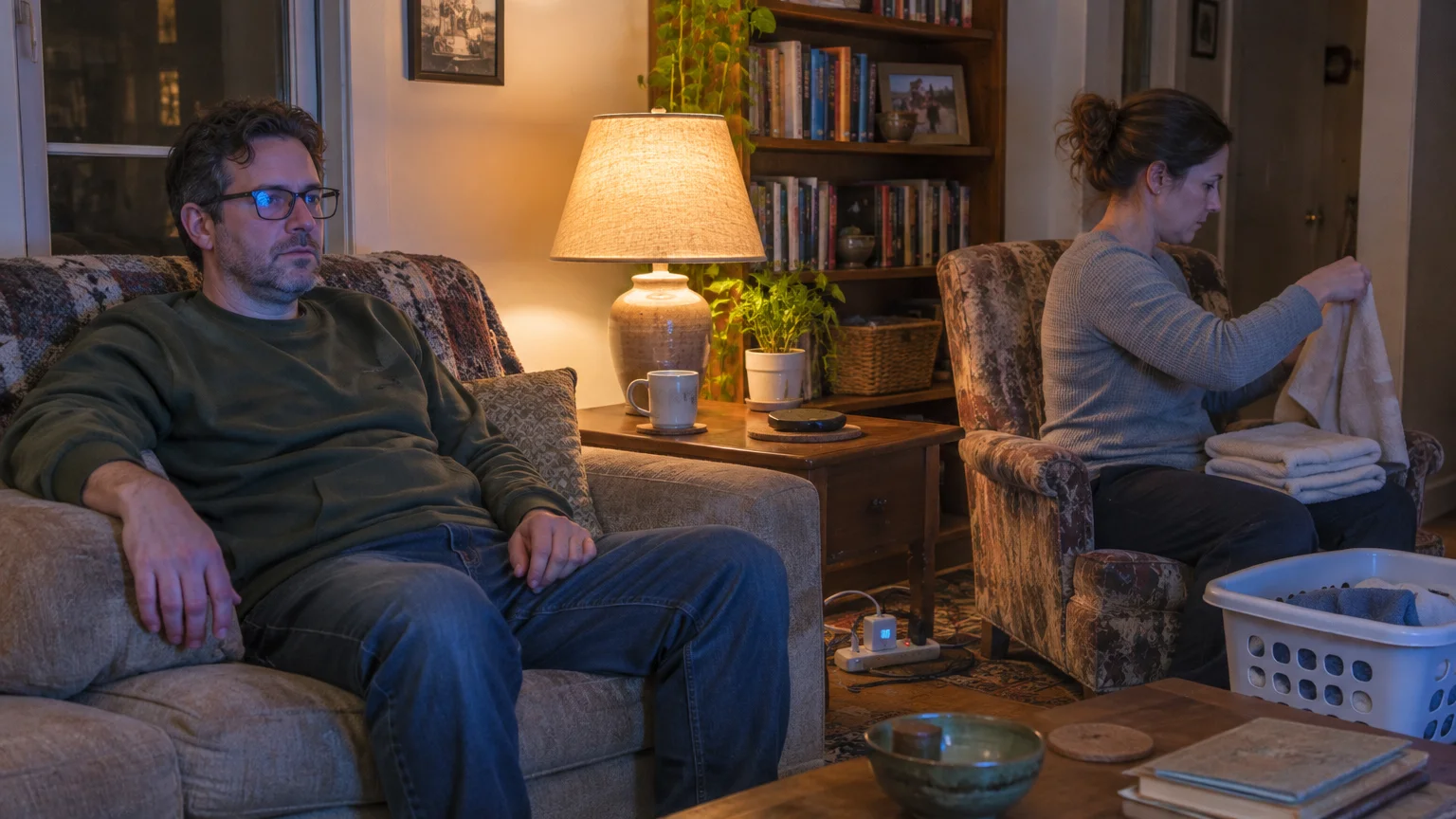
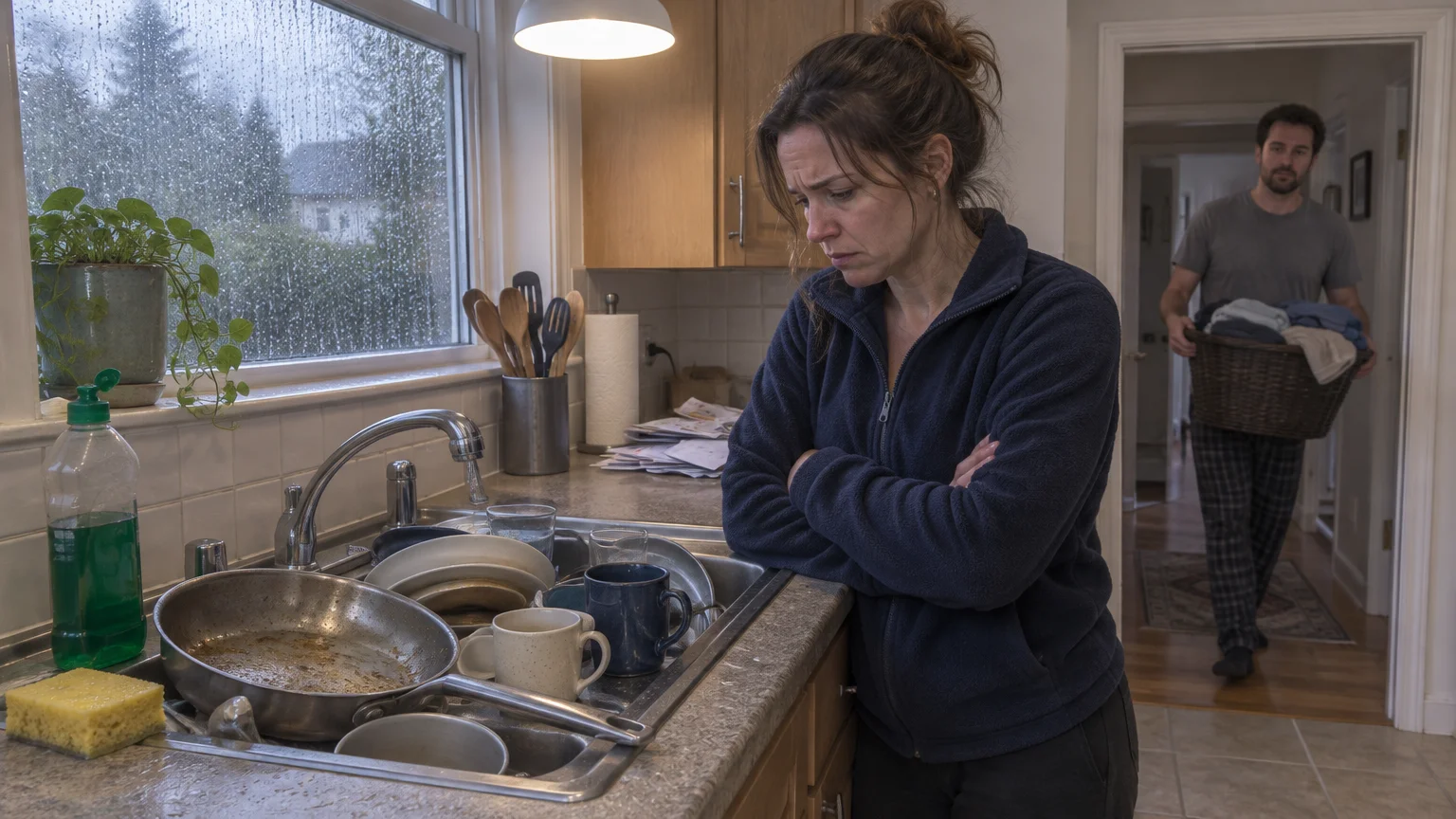
You sit next to your partner on the couch, yet the room feels silent and miles wide. One unwashed pan in the sink or a short reply suddenly sparks a wave of cold anger inside you.
That quiet bitterness is resentment in marriage, and it rarely shows up overnight. Small hurts pile up slowly when you or your partner stop feeling heard, valued, or fairly supported.
Spotting these early relationship warning signs gives you a real chance to change course. You can trade silent anger for honest talks and rebuild warmth before distance takes over.
Why Unspoken Hurt Turns Into Marriage Problems
Even strong couples hit rough patches, so conflict alone does not mean your marriage is failing. Trouble starts when hurt goes unspoken and turns into a quiet scorekeeping habit.
Data from the Centers for Disease Control and Prevention recorded over 2.1 million U.S. marriages and 662,950 divorces across reporting states in 2024. Many couples who split wish they had stepped in sooner.
In a 2023 Forbes Advisor survey of divorced Americans, 95 percent believed their marriage could have been saved. Yet unhappy couples wait an average of six years before seeking help, according to The Gottman Institute.
Waiting that long hurts your body as well as your bond. A 2005 study by Janice Kiecolt-Glaser found hostile couples healed skin wounds at 60 percent the rate of calmer couples.
7 Signs of Resentment in a Marriage
Resentment wears many masks across different cultures, ages, and same-sex or mixed-gender couples. Watch for these seven clear shifts in how you talk, share tasks, and feel around each other.
1. You Keep Score Over Chores and Mental Load
You mentally track every dish washed, bill paid, and form signed. Doing more than your share leaves you feeling invisible rather than appreciated.
A March 2026 Pew Research Center survey found that 63 percent of working mothers handle more chores and parenting than their partners. Only 26 percent of these working mothers felt extremely or very satisfied with how chores were divided.
Fairness matters deeply to every partner, regardless of gender roles. In that same research, 56 percent of married adults ranked sharing chores as very important, ahead of having children or enough income.
2. Sarcasm and Eye-Rolling Replace Honest Talks
Playful teasing feels warm, while sharp jokes carry a sting. When you roll your eyes or mock your partner, respect begins to crumble.
Researchers John Gottman and Robert Levenson call this pattern contempt, and it signals a high risk for divorce. Their studies tracked four toxic habits that predict relationship breakdown with over 90 percent accuracy.
Couples who later divorced showed twice as much contempt during arguments as couples who stayed together. Contempt sends a painful message that you look down on your spouse.
3. One or Both Partners Shut Down During Conflict
You cross your arms, stare at your phone, or leave the room mid-sentence. Shutting down often looks like coldness, yet it usually means your nervous system is overwhelmed.
During tense fights, emotional flooding pushes your heart rate above 100 beats per minute. When your body enters fight-or-flight mode, you simply cannot listen well or think clearly.
4. Small Mistakes Spark Big Character Attacks
Instead of saying you feel upset about a late text, you say your partner never cares about anyone. Turning one mistake into a character flaw triggers instant defensiveness.
Defensiveness makes your spouse fight back or make excuses rather than hear your pain. Soon you both argue about who is right instead of fixing the real issue.
5. Physical Closeness and Desire Fade Away
Touches grow brief, and sex starts to feel like another chore on a long list. Anger and exhaustion quietly shut down romantic desire.
A 2022 study by Emily Harris and colleagues showed that women carrying an unfair load of home tasks reported much lower sexual desire. Feeling like a parent to your spouse kills romantic attraction fast.
6. You Act Like Polite Roommates
You talk smoothly about groceries, schedules, and bills, yet skip deeper feelings. Avoiding hard topics keeps the peace on the surface while loneliness grows underneath.
The Gottman Institute found that happy couples share at least five positive interactions for every negative one during conflict. Roommate couples lose that warm daily buffer.
7. You Dodge Talks About Money, Career, and Parenting
Big life choices pile up without real teamwork. You stop bringing up budgets or family stress because every talk ends in silence or blame.
The 2023 Forbes Advisor survey showed top fights centered on career choices at 46 percent and parenting differences at 43 percent. Lack of family support and chores also ranked over 40 percent.
Repair Strategies for an Unhappy Marriage
You do not need a spotless past to build a stronger future together. Research-backed habits help partners clear old bitterness and talk without fear.
Use a Soft Conflict Script and the 20-Minute Reset
Start hard talks by naming your own feeling and your specific need without blame. Try saying, I feel overwhelmed when dinner dishes sit overnight, and I need us to split cleanup.
Your partner can respond with curiosity instead of excuses. A calm reply sounds like, I did not realize how heavy your week felt, so let us plan tonight together.
If voices rise or hearts race, call a structured break for at least 20 minutes. Step away to breathe or walk, and promise to return within 24 hours.
Build Daily Rituals That Restore Warmth
Small daily moments rebuild the positive balance faster than rare grand gestures. Spend ten screen-free minutes each evening sharing one good thing and one stress from your day.
Say thank you out loud for routine tasks like packing lunches or paying bills. When partners share chores equally, maternal satisfaction jumps from 11 percent to 54 percent, per Pew Research Center.
Hold Transparent Money and Schedule Check-Ins
Hidden spending or unclear roles fuel quiet anger in any marriage. Sit down once a week with tea to look over upcoming expenses and family plans.
Keep the script simple and team-focused. Try asking, What feels tight in our budget or calendar this week, and how can we adjust together before stress hits?

A 30-Day Plan to Rebuild Connection
Lasting change grows from steady, small steps rather than one big talk. During week one, commit to noticing unspoken expectations without keeping score.
Each evening in week one, offer one specific thank-you to your partner before bed. Naming small efforts softens defensiveness and opens the door to warmer talks.
In week two, write down every household, caregiving, and money task you both handle. Sit down together to swap or balance three tasks that feel most unfair.
During week three, practice pausing heated fights using the 20-minute break rule. Let your bodies calm down so you can hear each other without shouting or shutting down.
In week four, schedule one low-cost date or shared walk with phones put away. Talk about a hope for the next season rather than old mistakes.
Safeguards, Boundaries, and Couples Therapy Advice
Healthy repair requires clear boundaries around safety and respect. Never tolerate name-calling, threats, financial control, or physical harm inside your home.
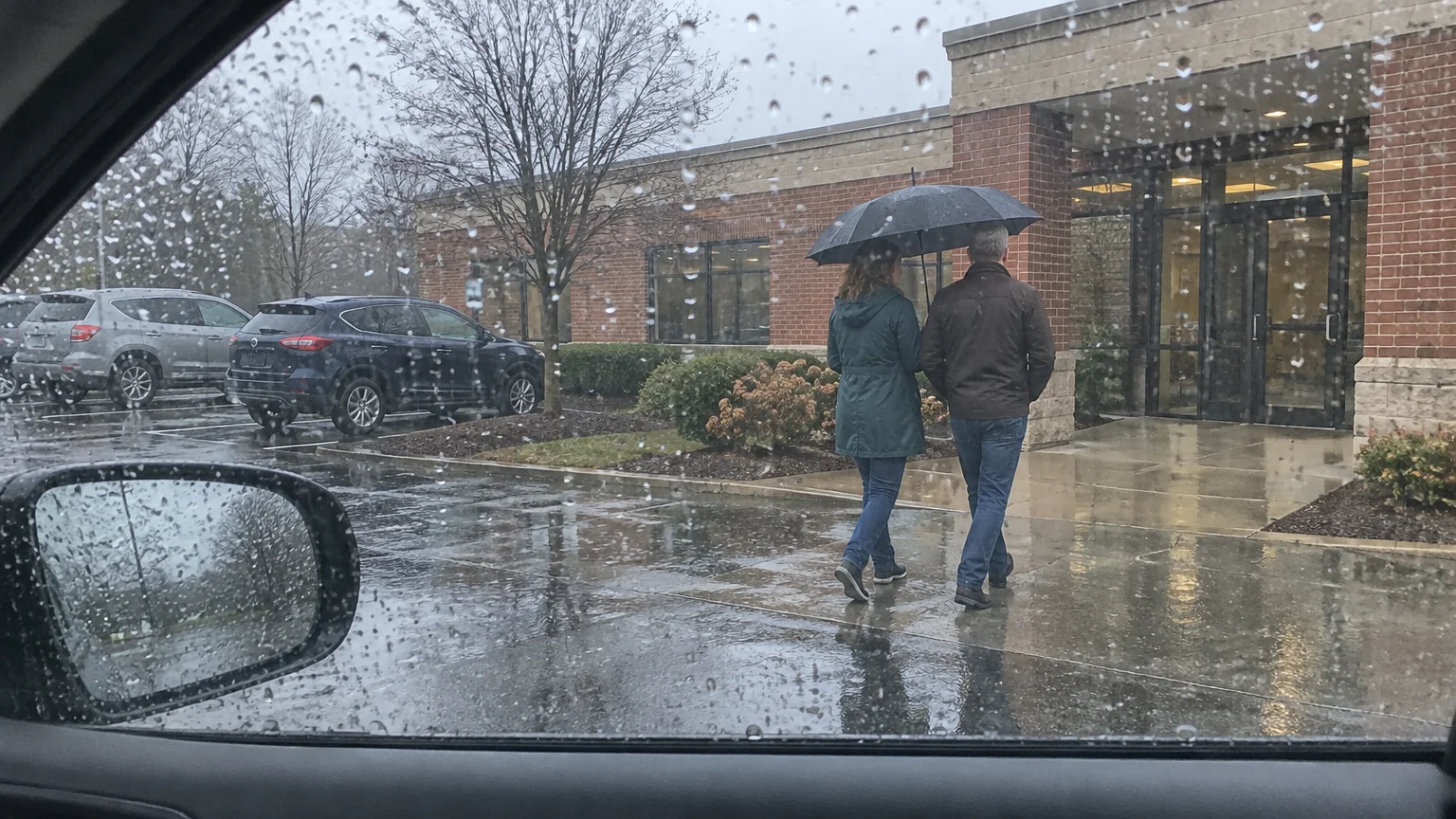
If talks feel unsafe, reach out to a licensed professional right away. Individual counseling also helps when deep trauma blocks safe communication.
Trained therapists give you a steady space to untangle years of hurt. Over 75 percent of couples improve through therapy, per the American Association for Marriage and Family Therapy.
Emotionally Focused Therapy helps partners understand deep attachment needs. The International Centre for Excellence in Emotionally Focused Therapy reports a 70 to 73 percent recovery rate.
A full course of therapy often takes 12 to 25 sessions. In-person care averages $150 to $300 per session, while online therapy costs $65 to $120 per week.
Standard insurance skips billing code Z63.0 for partner conflict because it lacks a medical diagnosis. Coverage under CPT code 90847 requires naming one spouse as the patient.
You can use HSA or FSA funds or workplace Employee Assistance Programs to lower costs. Many workplace programs offer 3 to 8 free sessions without a diagnosis.
Since January 2024, licensed marriage and family therapists can bill Medicare Part B directly. Check your plan early so cost never stops you from getting help.
Frequently Asked Questions
How do we rebuild physical intimacy after resentment?
Start by fixing emotional safety and daily fairness outside the bedroom first. Take pressure off sex for two weeks and focus on warm hugs, hand-holding, and honest appreciation.
What if every money talk turns into a fight?
Separate daily money logistics from deep fears about security or freedom. Set a 20-minute timer, use calm statements about your own worries, and focus on one shared goal.
How can we align better on parenting differences?
Discuss parenting values during calm moments, never in front of your children during a meltdown. Blend traditions from both of your backgrounds so neither partner feels dismissed.
Can a marriage recover after years of resentment?
Yes, many marriages heal once both partners commit to honest repair and steady follow-through. Even long-standing distance shrinks when couples trade silent blame for daily teamwork.

Your Next Step Toward Closeness
You can start shifting the tone of your home tonight in under five minutes. Sit across from your partner, hold hands, and ask one simple question.
Ask, What is one small thing I can take off your plate this week so you feel supported? Listening without fixing or defending plants the first seed of fresh trust.