
Recognizing you are settling for a mediocre relationship out of fear saves you years of emotional stagnation and redirects you toward genuine connection. You deserve a partnership that amplifies your life, rather than a convenient arrangement masking an underlying terror of being single. Consider a familiar scenario: sitting across from a partner at dinner, realizing the silence feels heavy rather than comforting, yet you tell yourself this is simply how romance evolves. Ignoring that nagging intuition prevents you from confronting the truth that avoiding solitude comes at a steep personal cost. Understanding the mechanics of attachment and recognizing the subtle tells of settling allows you to confidently choose peace over a mismatched dynamic.
Translating Relationship Science: The Psychology of Settling
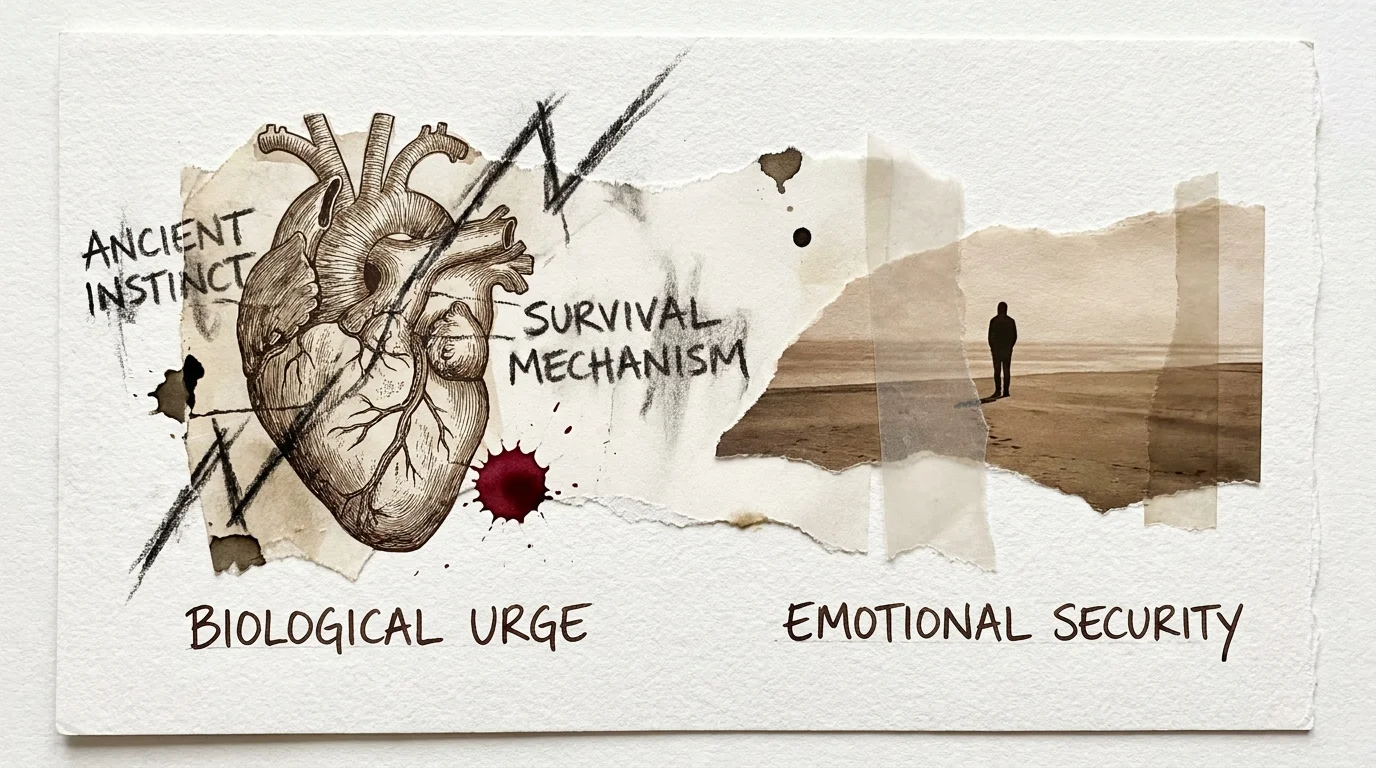
Enduring a stagnant romance rarely stems from a lack of intelligence; it stems from a deeply ingrained evolutionary survival mechanism. Human beings are biologically wired for connection. Historically, isolation equated to physical danger. Today, that ancient instinct manifests as the intense anxiety you feel when contemplating a life without a romantic partner. You perceive being single as a threat to your social standing and emotional security, prompting you to cling to mismatched partners simply to satisfy the biological urge for a secure base. Understanding the psychological mechanics of attachment provides clarity on why you tolerate treatment that directly contradicts your core values.
When the fear of being alone hijacks your decision-making process, your brain begins rewarding complacency. You experience a temporary reduction in anxiety whenever you secure a commitment, even a poor one, which creates a deceptive sense of safety. You mistake the absence of immediate loneliness for genuine romantic fulfillment. Breaking this cycle requires radical honesty about your internal motivations and a willingness to confront the profound difference between choosing a partner actively and keeping a partner defensively.
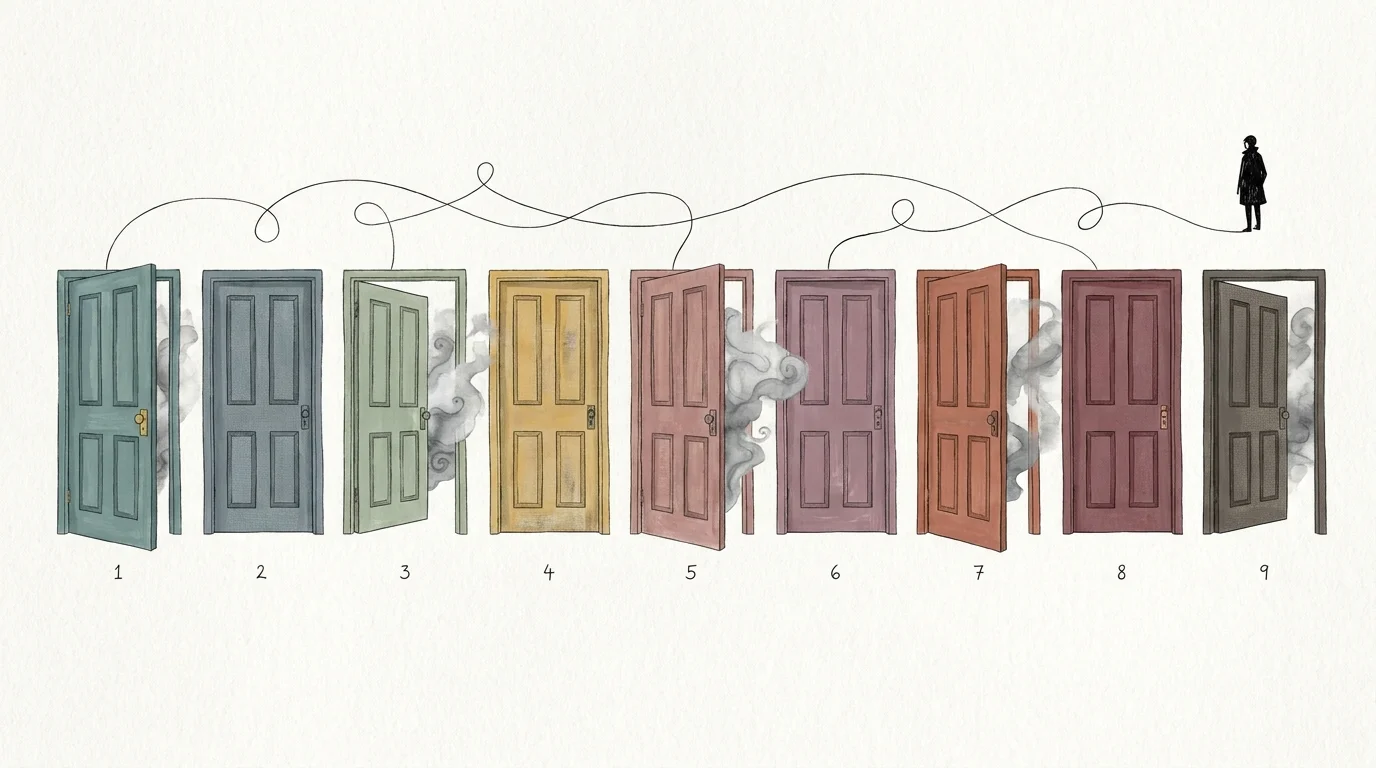
9 Telltale Signs You Are Settling to Avoid Solitude

1. You Constantly Rationalize Their Bad Behavior
When friends or chosen family members point out troubling dynamics, you immediately spring to your partner’s defense with prepared excuses. You tell yourself they are just stressed at work or having a difficult month, but those months easily bleed into years. Rationalizing bad behavior drains your cognitive resources and forces you to live in a state of continuous cognitive dissonance. You know you deserve better treatment, yet you construct elaborate mental loopholes—often subconsciously—to justify their lack of effort simply to avoid the terrifying prospect of reentering the dating pool.

2. You Feel a Secret Relief When Plans Are Canceled
Canceled dates typically bring a pang of disappointment to a thriving relationship; however, you experience a profound, physical wave of relief when your partner texts to raincheck. This visceral reaction reveals the truth your conscious mind refuses to accept. Time spent together feels like an obligation rather than a joy; it requires you to perform a version of yourself that takes immense emotional energy to sustain. Your nervous system recognizes the exhaustion inherent in the relationship long before your mind permits you to acknowledge it.

3. You Dilute Your Authentic Self
True intimacy requires vulnerability, yet you meticulously curate which parts of your personality you reveal to your partner. You bite your tongue during political discussions, hide your eccentric hobbies, or downplay your career ambitions because you fear their disapproval might fracture the fragile connection you maintain. Diluting your authentic self ensures you remain palatable to someone who does not align with your core identity. You effectively abandon yourself to prevent them from abandoning you, which guarantees you feel deeply lonely even while sitting directly next to them on the couch.
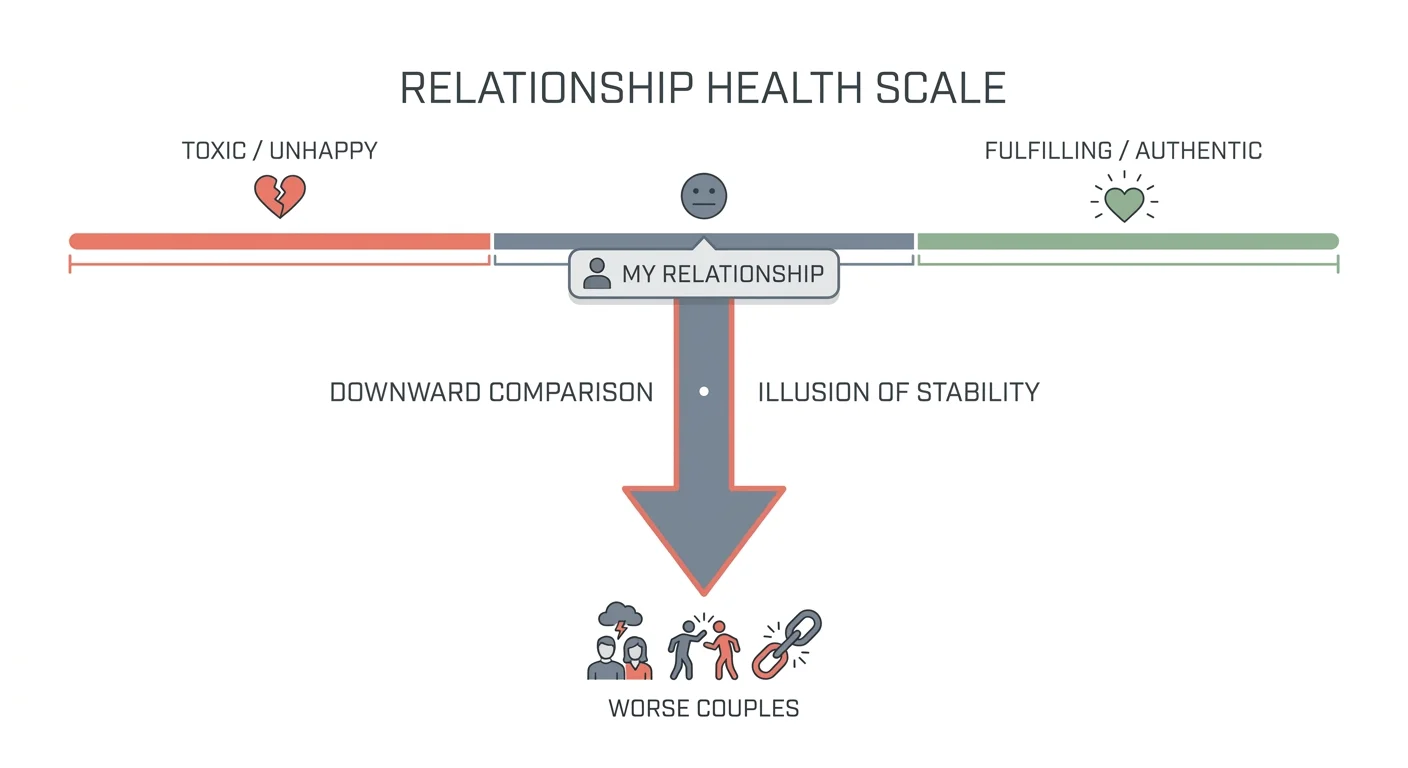
4. You Use Downward Social Comparison to Feel Better
Whenever doubts about the relationship creep into your mind, you immediately pivot to analyzing friends who suffer through even worse partnerships. You measure the success of your connection by the failures of others, telling yourself that at least your partner does not cheat, or at least they hold down a steady job. Setting the bar at the absolute floor allows you to classify a severely lacking relationship as a victory. Healthy connections thrive on mutual growth and joy, not on their mere superiority to a toxic alternative.

5. You Fixate on the Milestone Rather Than the Person
You find yourself entirely consumed by the societal timeline of romance. You obsess over securing the engagement ring, signing the joint lease, or portraying the perfect dual-income household on social media, treating your partner as a necessary prop in your life plan. When you strip away the milestones and envision a quiet Tuesday evening with nothing but each other’s company, panic sets in. You love the idea of the relationship status far more than you love the specific human being occupying the role.
6. You Dismiss Fundamental Value Clashes
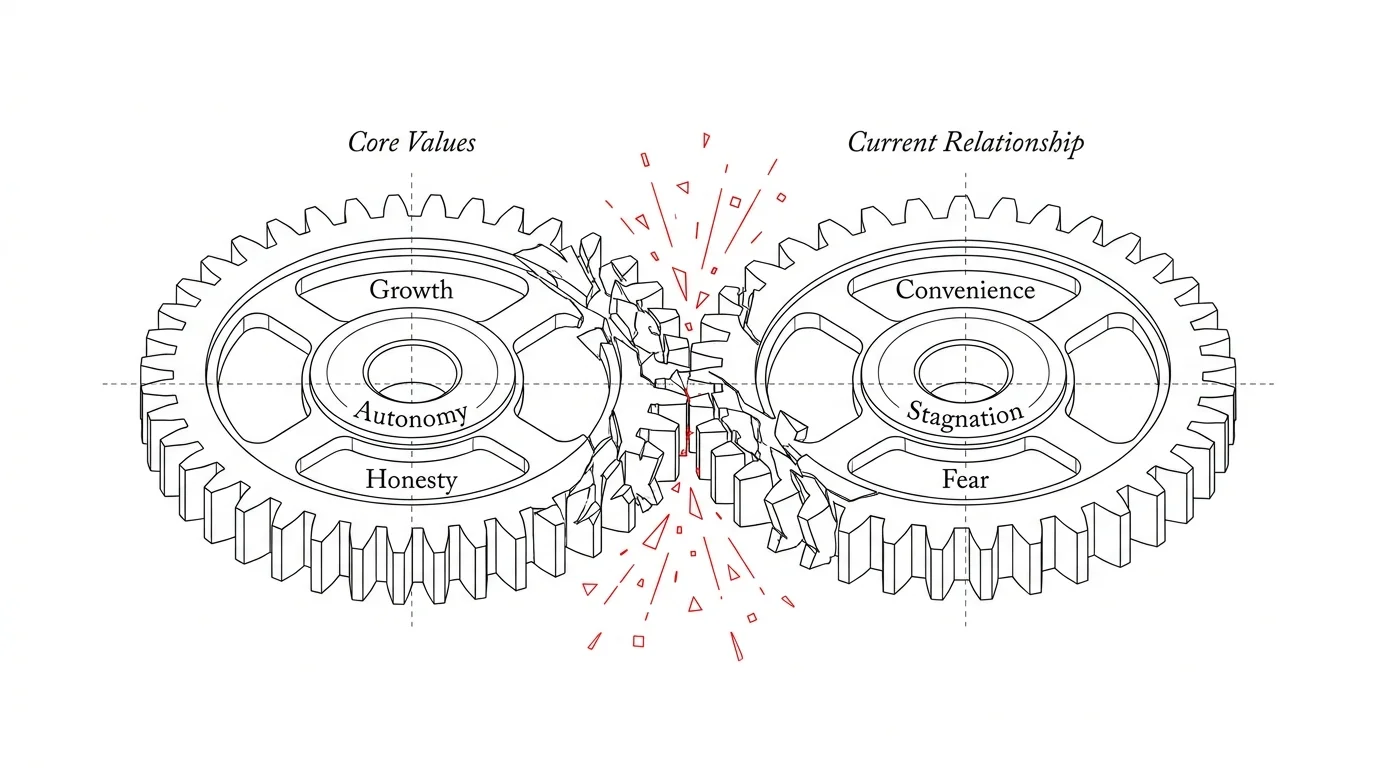
Opposites attract in matters of hobbies or extroversion, but severe clashes in core values indicate a structural failure in the relationship. You actively ignore glaring discrepancies regarding financial ethics, family planning, or moral obligations, convincing yourself that love will magically bridge the ideological divide. Sweeping fundamental incompatibilities under the rug creates a superficial peace that crumbles under the weight of real-world challenges. You trade your non-negotiable life principles for a temporary reprieve from singlehood.
7. You Prefer the Digital Version of the Relationship
You maintain the connection primarily through text messages, curating your responses and enjoying the digital validation without the pressure of physical presence. When you actually occupy the same room, the chemistry evaporates, leaving behind awkward tension and strained conversation. Recent studies on digital dating behaviors highlight how texting creates a false sense of intimacy that masks real-life incompatibility. You rely on the screen to filter out the discomfort of an unfulfilling physical and emotional reality.

8. You Carry the Bulk of the Emotional Labor
Emotional labor involves managing the climate of the relationship, remembering important dates, and initiating difficult conversations. When you settle, you carry the entirety of this invisible workload because you subconsciously believe your partner will leave if you demand equal participation. You research the couples therapists, you plan the weekend getaways to spark romance, and you carefully modulate your tone to prevent their defensive outbursts. This relentless management leaves you deeply depleted, transforming a romantic partnership into an exhausting solo project masquerading as a partnership.

9. You Fear the Stigma of Being Single More Than Staying Unhappy
You view being single as a personal failure rather than a neutral, or even empowering, relationship status. Society often stigmatizes unattached individuals, heavily conditioning you to view solitude as a problem requiring immediate fixing. You stay in a mediocre relationship because the social friction of explaining a breakup feels heavier than the daily sorrow of staying. You allow external perceptions of your life to dictate your internal reality, trapping yourself in a performance designed for an audience of peers who do not have to live with your choices.
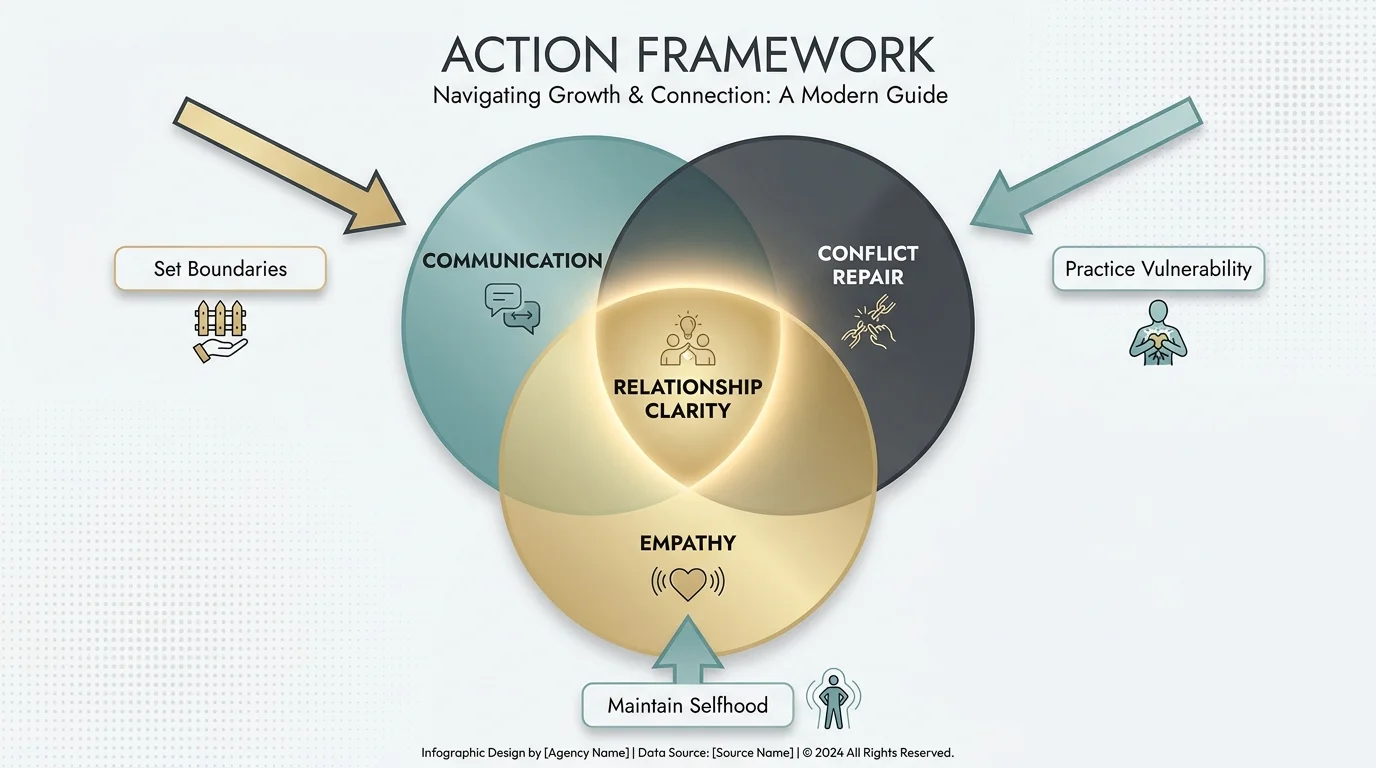
Action Frameworks: Three Skill Sets for Relationship Clarity
Identifying that you are settling is only the first step; taking action requires concrete behavioral changes. Implementing specific communication and emotional regulation skills allows you to test the resilience of your relationship. If your partner responds to these frameworks with defensiveness or hostility, you gain the undeniable proof you need to exit the dynamic. If they step up, you create space for genuine improvement.
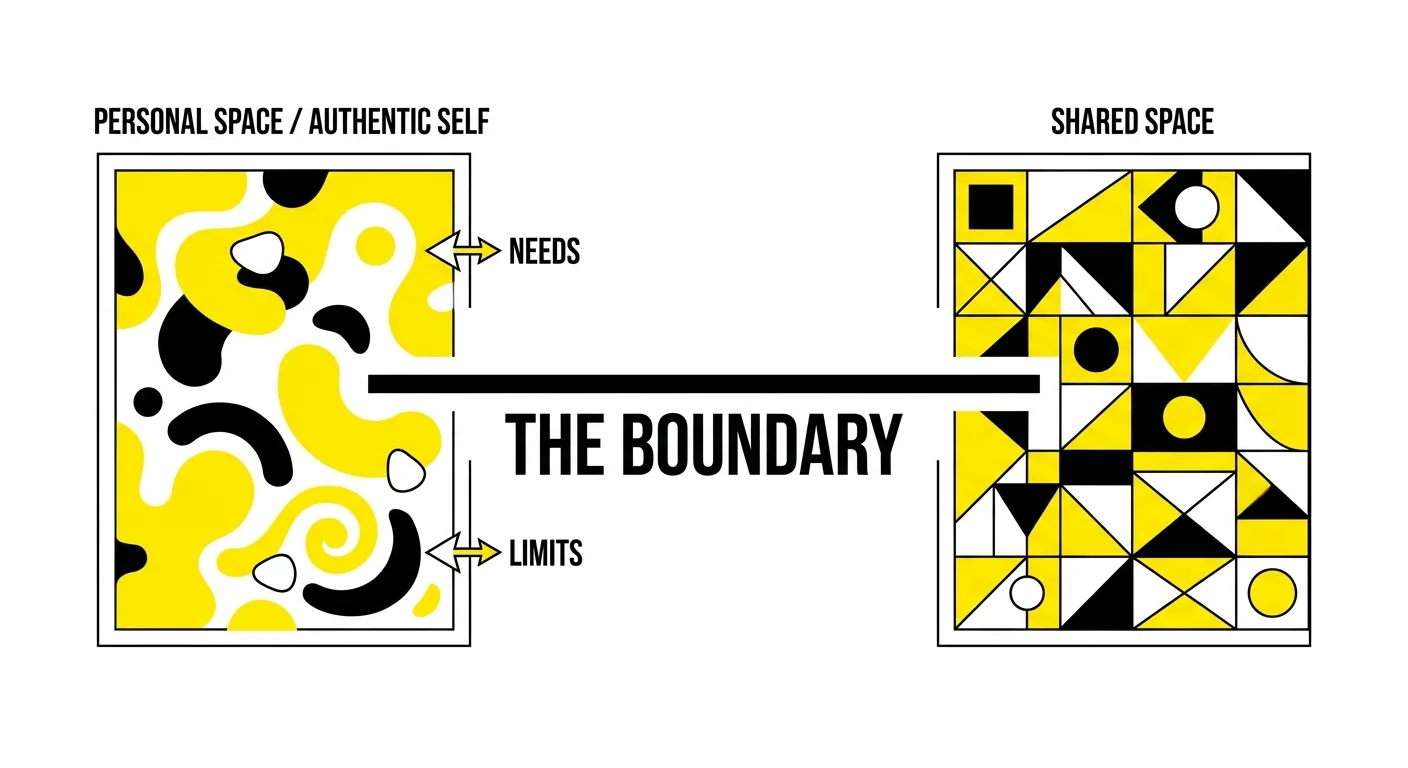
Establishing Communication Boundaries
You must disrupt the cycle of constant accommodation by setting clear parameters around how you communicate during tense moments. Establishing boundaries requires you to identify your limits and articulate them without apologizing for your needs. This protects your emotional bandwidth and forces the relationship to operate on mutual respect rather than one-sided sacrifice.
Actionable Dialogue: “I feel overwhelmed right now, and I need 24 hours to process this before we discuss it further. I will initiate the conversation tomorrow evening.”

Practicing Conflict Repair
Healthy couples do not avoid conflict; they master the art of repairing the connection after a disagreement. Clinical relationship research consistently demonstrates that the ability to de-escalate tension dictates long-term success. You must learn to take accountability for your part in a clash and extend an olive branch, observing closely whether your partner matches your effort or uses the opportunity to assign blame.
Actionable Dialogue: “I realize my reaction escalated the situation earlier; let us restart this conversation when we both feel grounded.”

Building Empathy Without Losing Yourself
Empathy requires understanding your partner’s emotional state, but it does not require you to absorb their pain or fix their problems. Chronic settlers often confuse empathy with codependency. You must practice holding space for their struggles while maintaining a firm boundary around your own mental health, ensuring you do not set yourself on fire to keep them warm.
Actionable Dialogue: “I hear that you are struggling with this issue, and I support you, but I cannot take on the responsibility of fixing this specific problem for you.”

Inclusive Perspectives Across Diverse Relationship Dynamics
The pressure to settle manifests differently across various identities and relationship structures, yet the core fear remains identical. Queer individuals often face smaller dating pools and unique systemic pressures, sometimes leading them to tolerate mismatched dynamics out of fear of losing community connection. Engaging with inclusive mental health organizations can provide targeted support for navigating these specific challenges. Similarly, individuals practicing ethical non-monogamy might find themselves settling for secondary partnerships that drain their energy simply to avoid an empty spot on the calendar. Acknowledging that the fear of being alone permeates all ages, orientations, and relationship styles removes the shame associated with experiencing it. You must evaluate your connection based on how it serves your specific life, outside of traditional heteronormative or societal scripts.

Safety, Consent, and Knowing When to Exit
Evaluating a relationship requires a foundational baseline of physical and emotional safety. If your partner uses coercion, manipulates your sense of reality, or ignores your explicit consent, you are not dealing with a mediocre relationship; you are experiencing abuse. Setting boundaries in an abusive dynamic often escalates danger rather than improving communication. Emotional labor and conflict repair frameworks only function between two willing, safe participants. If you feel frightened of your partner’s reactions, prioritize your immediate safety over relationship improvement. Reach out to trusted friends, local advocates, or national resources for relationship safety to build a secure exit plan. You owe nothing to a partner who weaponizes your fear of being alone to maintain control over your life.
Frequently Asked Questions About Modern Connection
How do I maintain my friendships while navigating an intense new romance?
You must treat your platonic connections with the same scheduling rigor as your romantic dates. Intentionally block out time on your calendar strictly for your friends, and communicate these commitments clearly to your new partner. Integrating your partner into your friend group is valuable, but it never replaces the necessity of one-on-one time with your chosen family. Maintaining your independent social support network serves as the strongest defense against the fear of being alone.
What is the proper online dating etiquette for communicating that I am no longer interested?
Clarity represents the highest form of kindness in digital dating. You must avoid ghosting or offering vague excuses about busy schedules, which only prolongs the other person’s uncertainty. Send a brief, direct, and polite message stating your position. For example: “I have enjoyed getting to know you, but I do not feel the romantic connection I am looking for. I wish you the best in your search.” Close the loop cleanly to free up emotional energy for both parties.
How do we handle expectations in a cross-cultural relationship?
You must abandon the assumption that your cultural baseline is the default standard. Sit down together and explicitly map out your cultural expectations regarding family involvement, gender roles, and communication styles. Approach these differences with deep curiosity rather than immediate judgment. Building a successful cross-cultural dynamic requires you to co-create a completely new, hybrid culture within your relationship that honors both backgrounds equally.
When is it appropriate to set rigid expectations for a partner?
You must set rigid expectations around fundamental issues of safety, fidelity agreements, and core financial ethics from the very beginning of the commitment. Flexibility serves relationships well in daily logistics, but bending on your non-negotiable core values inevitably leads to resentment. Clearly articulate your absolute dealbreakers early on, and follow through on leaving if those boundaries are breached. Rigid expectations around respect protect your peace.
Your Next Step Toward Intentional Connection
Reclaiming your life from the fear of being alone requires you to treat your own company as a destination, not a waiting room. Take inventory of the relationships currently occupying your emotional bandwidth and measure them against the signs of settling outlined above. Choose one specific boundary to communicate this week, and observe the results without flinching. Stepping into the discomfort of solitude clears the path for the profound, authentic connection you actually deserve.