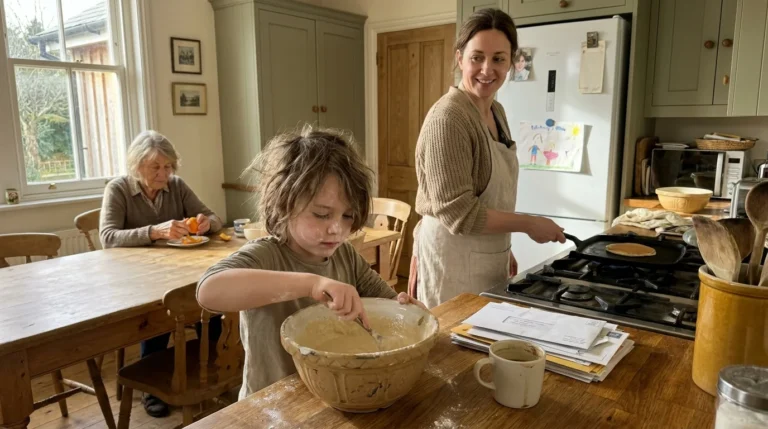
Family traditions anchor your loved ones through the chaos of modern caregiving, offering immediate emotional stability and long-term resilience. When you balance elder care appointments, overflowing laundry, and children demanding attention, simple rituals serve as the reliable compass your household needs. Those repetitive moments you carve out—whether making Sunday pancakes, taking an evening neighborhood walk, or sharing a quick bedtime story—reduce anxiety and foster deep familial connection. You might feel overwhelmed by the relentless demands of the sandwich generation, but your quiet dedication to these shared experiences profoundly shapes your family narrative. Recognizing the subtle signs that your routines are actually powerful relationship-builders empowers you to maintain emotional harmony even when external pressures peak.
Understanding the Root Causes of Multigenerational Stress
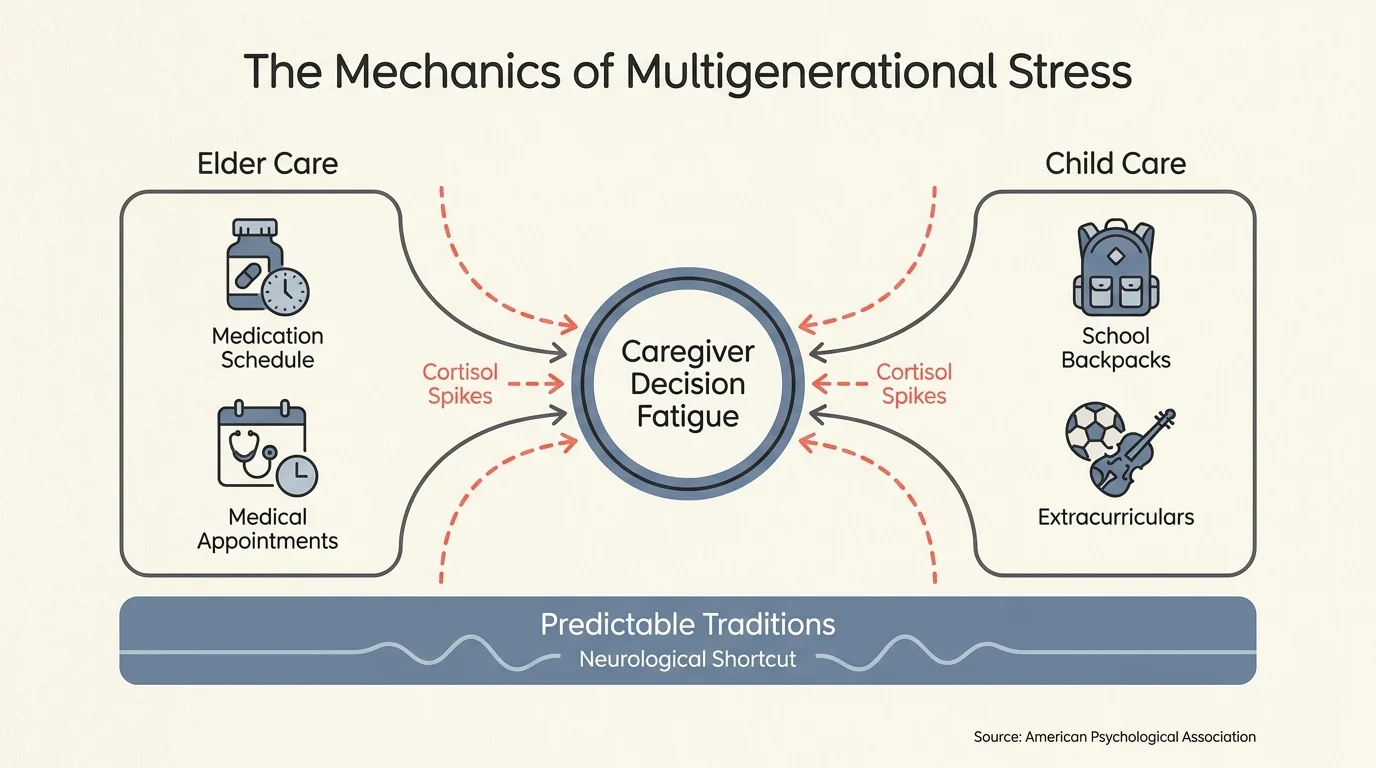
Multigenerational households operate under the constant strain of competing needs. You might find yourself managing an aging parent’s medication schedule while mediating a dispute over a lost school backpack. According to family therapists, these daily pressure points stem from cognitive overload; when caregivers make hundreds of micro-decisions daily, emotional reserves deplete rapidly. A lack of structure spikes cortisol levels for both children and adults, creating an environment ripe for friction. Traditions act as neurological shortcuts. By establishing predictable sequences of events, you reduce the decision-fatigue weighing on your household. Research published by the American Psychological Association underscores that predictable routines give children a necessary sense of security while helping adult caregivers conserve mental energy. When your family knows exactly what to expect on a given day, their nervous systems naturally regulate, shifting from hyper-vigilance to a state of relaxed connection.
Sign 1: Your Household Recovers Quickly from Sudden Disruptions
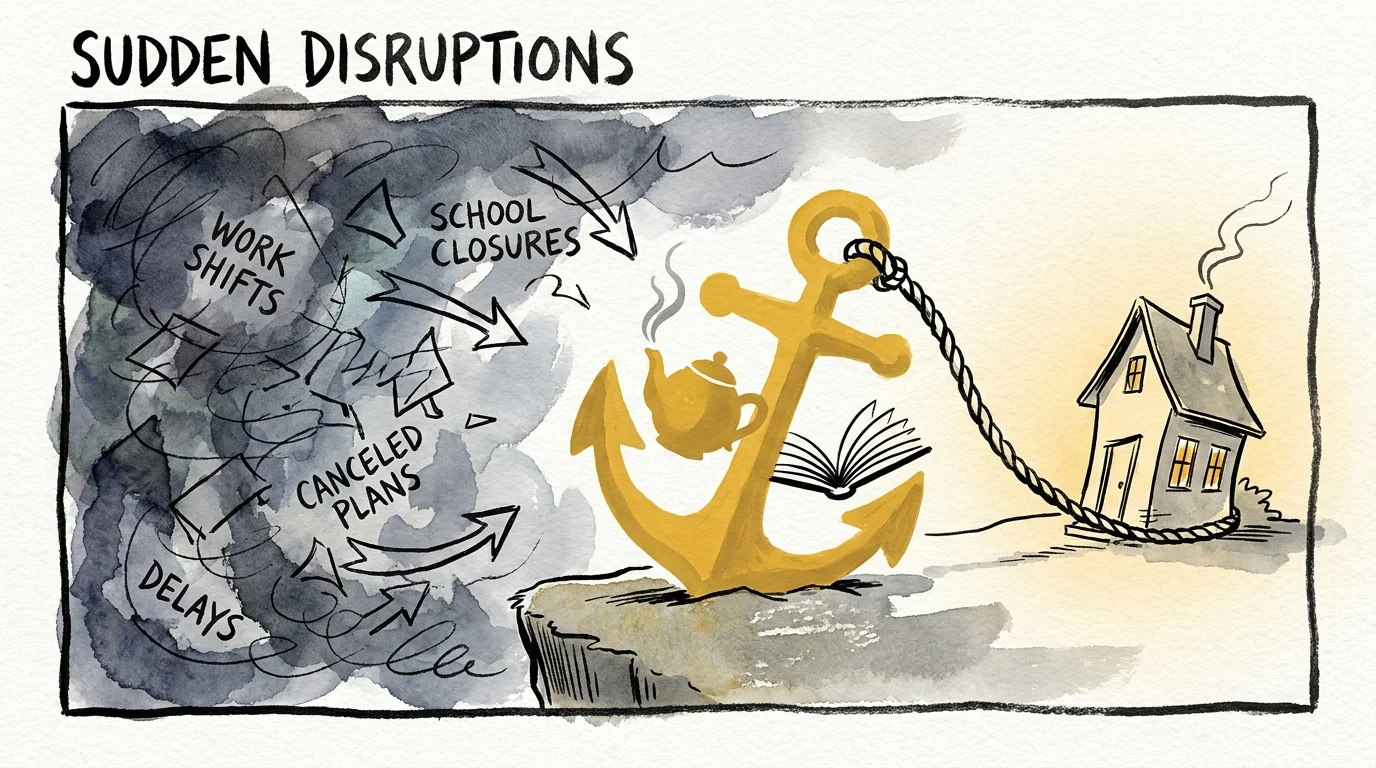
One of the most obvious indicators that your family traditions hold significant weight is how rapidly your loved ones bounce back from unexpected crises. Life rarely adheres to a perfect schedule. A sudden late shift at work or an unexpected school closure easily throws a fragile household into chaos. However, when you have deeply ingrained rituals—like reading a specific book before bed or sharing a dedicated afternoon tea time—your family can easily return to baseline. The familiar tradition acts as a psychological anchor. Children in single-parent homes or blended family structures especially benefit from this predictability, as it provides a constant even when custody schedules or caregiving arrangements shift. The resilience you witness after a stressful afternoon is the direct result of the safe emotional harbor you built through consistent habits.
Sign 2: Communication Rituals Bridge the Generational Divide
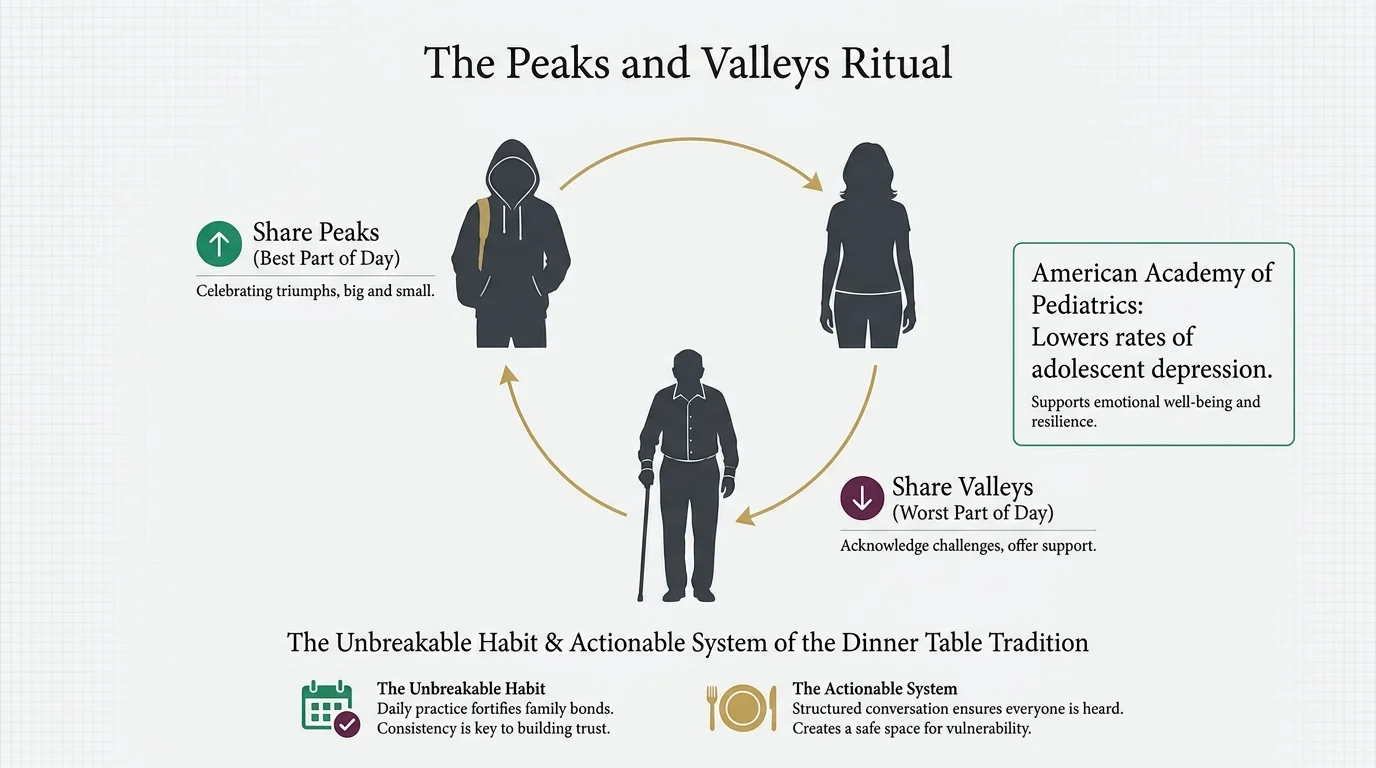
You know your traditions matter when structured conversation becomes second nature. Caregivers often struggle to extract meaningful updates from exhausted teenagers or to help aging parents feel heard amidst the noise of a busy home. Implementing a deliberate communication system changes this dynamic entirely. Consider a simple dinner ritual where each family member shares the best and worst parts of their day, a practice commonly known as sharing peaks and valleys. When you establish this as an unbreakable habit, you eliminate the pressure of forced conversation. Over time, you notice that even reluctant teenagers or quiet grandparents look forward to their turn to speak. The American Academy of Pediatrics frequently notes that regular family meals and structured conversation times significantly lower rates of adolescent depression. This actionable system requires no special equipment—only your commitment to holding space for everyone to share their narrative.
Sign 3: Chore Sharing Becomes a Connective Tradition
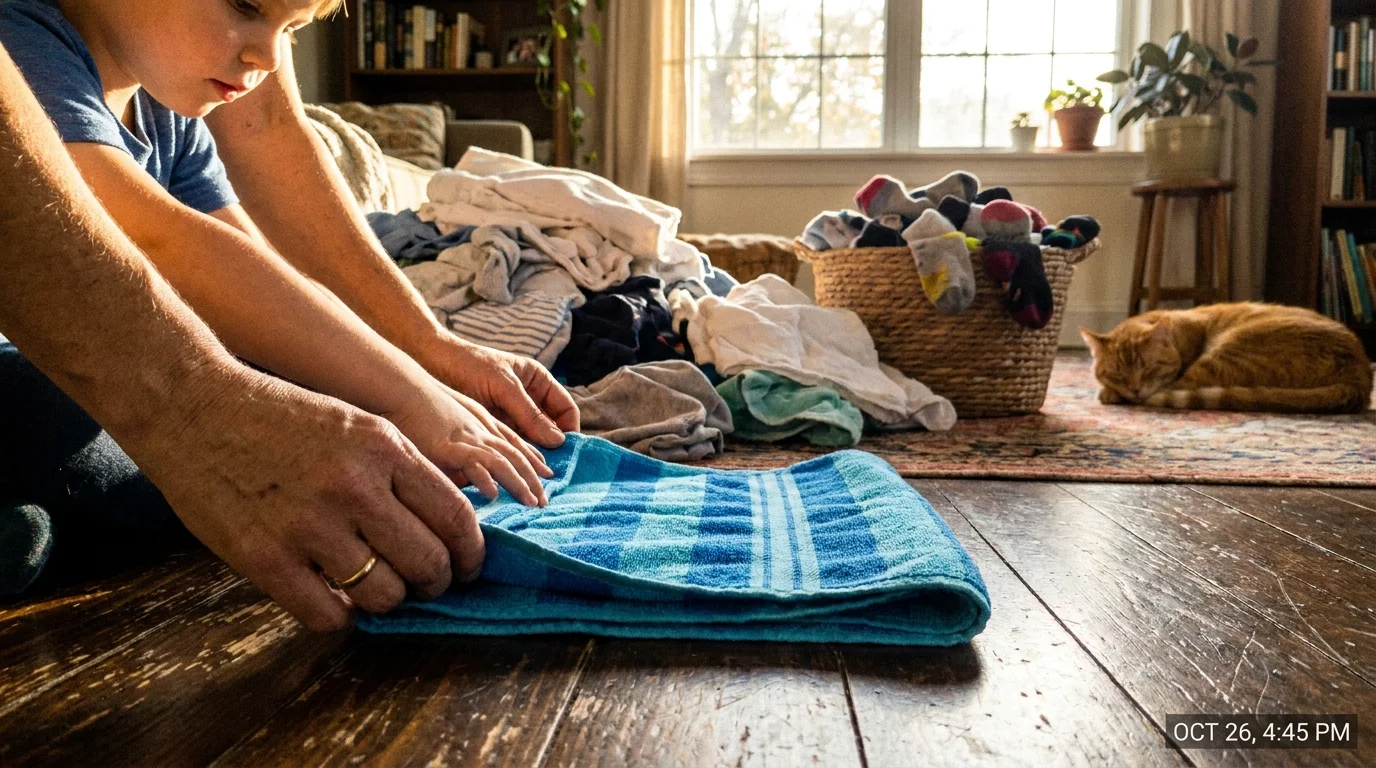
When household maintenance shifts from an isolated burden to a shared, rhythmic activity, your family traditions are truly working. Many caregivers feel entirely responsible for keeping the home functioning, leading to deep resentment and exhaustion. You can transform this dynamic by turning chores into a collaborative tradition. Instituting a fifteen-minute weekend power-clean accompanied by an upbeat, familiar playlist shifts the atmosphere from punitive to unified. Even kin caregivers or older relatives living with you can participate by taking on accessible tasks like folding towels from a seated position. When you stop nagging and instead rely on the established rhythm of the cleaning playlist, your children begin to associate household contribution with family unity. The sign that this tradition has taken root is the sudden absence of complaints; your family simply accepts the chore as an integrated part of their weekly cadence.
Sign 4: Sibling Conflicts Resolve Quickly Using Established Scripts
Noticeable improvement in how your children handle disagreements is a major sign that your internal family culture is thriving. Sibling rivalry is inevitable, but chronic escalation is preventable. By practicing conflict resolution scripts during calm moments, you create a tradition of respectful disagreement. Teach your children to use a pause-and-pivot method, requiring them to physically step apart and take three deep breaths before using a predetermined phrase to express their frustration. Once this becomes a family tradition, you will hear your children using these exact scripts without your prompting. Instead of rushing in to separate a brawl, you witness your children navigating their emotions independently. Research from the Center on the Developing Child at Harvard University emphasizes that predictable, supportive interactions build the executive function skills necessary for self-regulation. This system provides them with a lifelong framework for healthy relationships.

Sign 5: Transitions Happen with Minimal Emotional Upheaval
The true power of family routine shines through during difficult caregiving transitions. Clinical social workers who specialize in multigenerational homes frequently observe this phenomenon. Consider a real-world vignette involving a family balancing early-stage dementia care for a grandmother alongside raising a willful toddler. The caregivers realized the chaotic transition from afternoon playtime to evening dinner caused intense distress for both dependents. By introducing a transitional tradition—dimming the overhead lights and playing soft, classical music twenty minutes before dinner—they drastically reduced the emotional upheaval. This sensory tradition signals the brain to shift gears, bypassing the need for verbal instructions which often trigger resistance. Resources from the National Institute on Aging confirm that environmental cues and structured routines are highly effective in managing behavioral changes in older adults. When you witness a previously turbulent hour turn peaceful simply because you altered the environment, you are seeing the profound impact of your rituals.
Sign 6: Relatives Engage Meaningfully Without Feeling Sidelined
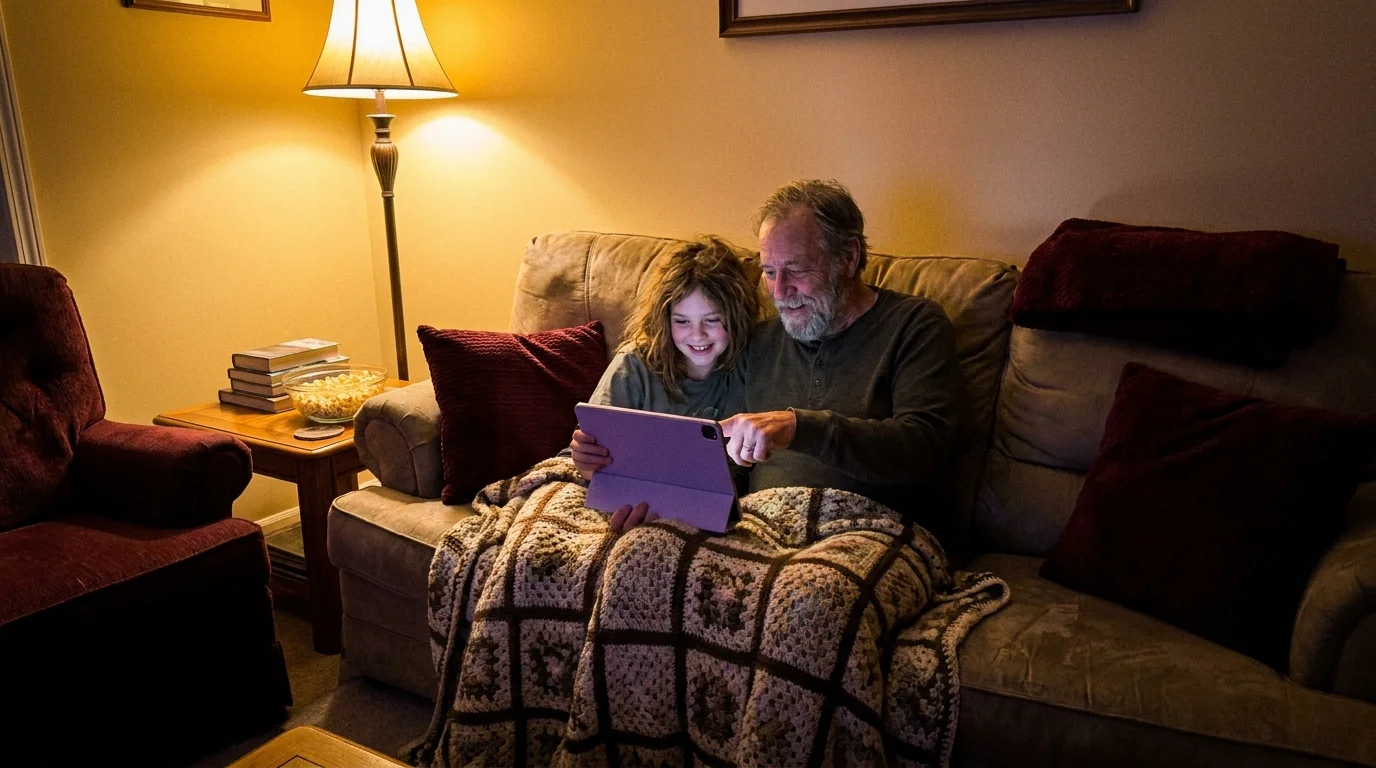
In multigenerational settings, older relatives or extended kin easily feel like bystanders to the active parenting happening around them. A key sign that your traditions matter is when every member of the household holds a distinct, irreplaceable role in your daily rhythms. Perhaps an aging parent becomes the designated storyteller during Sunday breakfasts, or an aunt assumes the responsibility of tending to the garden with the youngest children. These specific assignments prevent the isolation that often plagues elders in busy households. When you purposely weave each person’s capabilities into the fabric of your weekly traditions, you foster a deep sense of belonging. The moment you see an older relative excitedly preparing for their specific role, you recognize that your family routines are providing crucial emotional nourishment and preserving their dignity.
Sign 7: You Automatically Lean on Your Resilience Toolkit During Crises
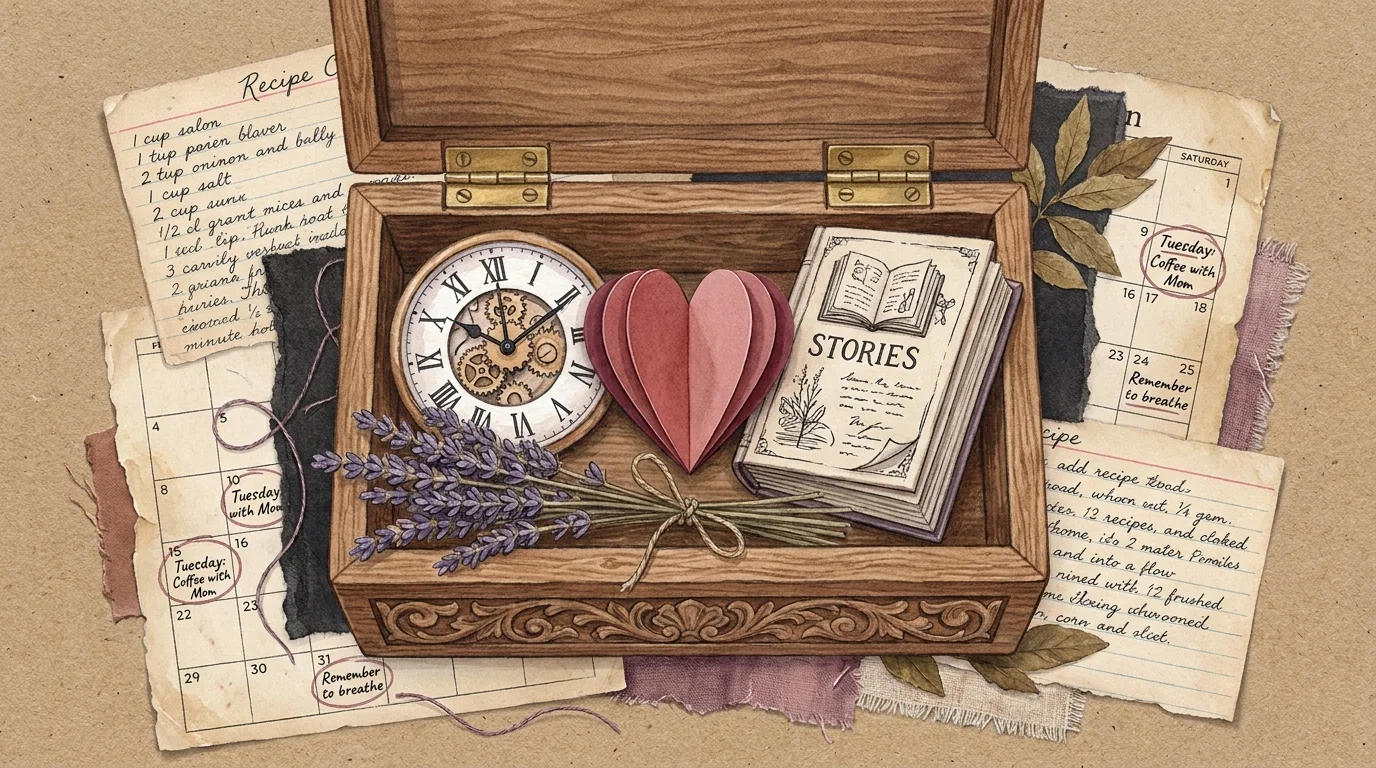
A well-established family routine serves as the gateway to utilizing external support effectively. Caregiver burnout is a pervasive threat, and recognizing when to ask for help is a sign of immense strength. When your internal traditions run smoothly, you gain the mental clarity needed to utilize a broader resilience toolkit. Instead of waiting until a total breakdown occurs, you calmly integrate community resources into your family’s narrative. This toolkit might include scheduling regular telehealth counseling sessions, utilizing local respite care programs, or tapping into community meal delivery services during particularly heavy weeks. Agencies such as the Child Welfare Information Gateway provide extensive documentation on how community integration strengthens kin care and multi-layered families. Reaching out for financial assistance or joining a caregiver support group simply becomes another healthy tradition your family practices to maintain its foundation.
Sign 8: You Recognize That Small Shifts Build Long-Term Stability
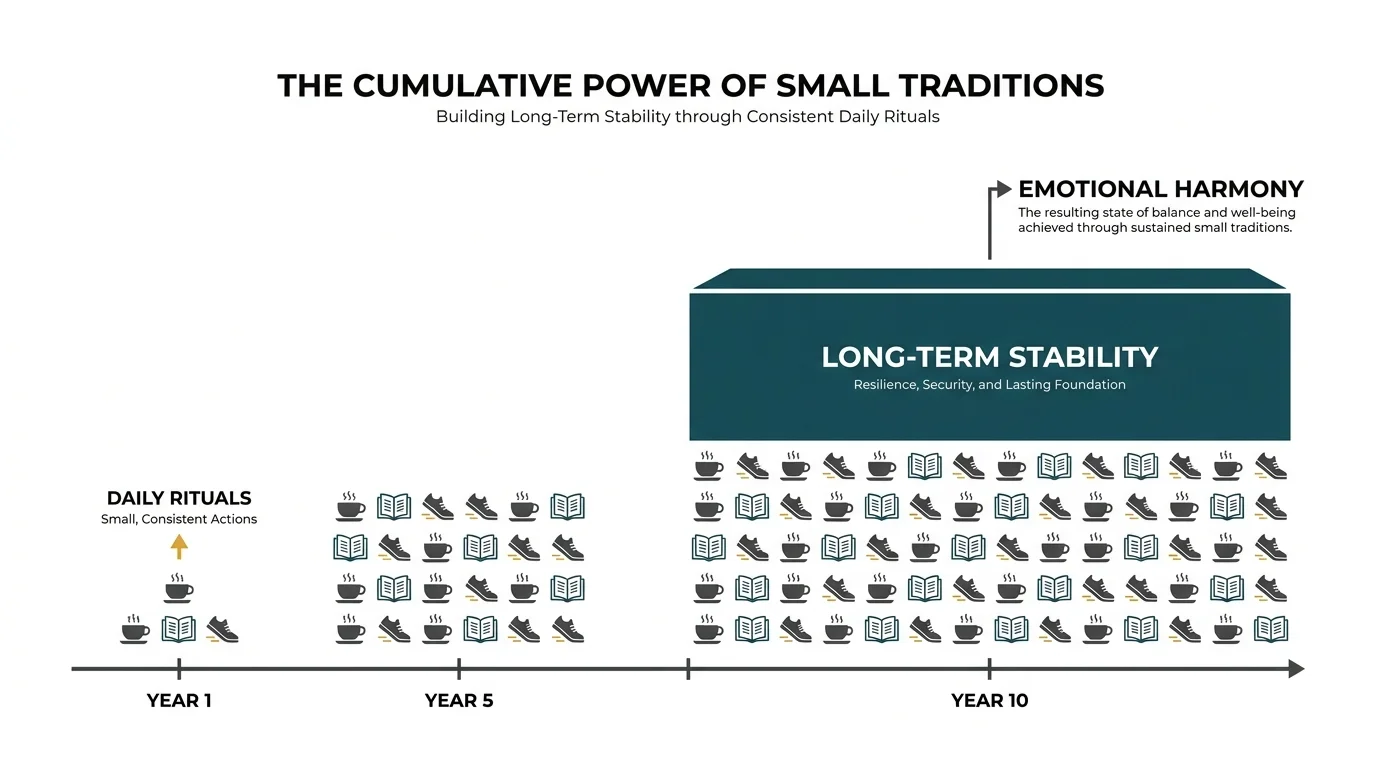
The final sign that your family traditions hold immense power is your own shift in perspective. You stop aiming for picture-perfect holidays or wildly expensive vacations, and instead find deep satisfaction in the mundane. You recognize that the fifteen minutes you spend drinking coffee with your co-parent or the brief moment you share a joke with your teenager before school are the actual building blocks of your family’s legacy. This realization relieves the immense pressure you place upon yourself to perform as a flawless caregiver. You understand that resilience is not forged in grand gestures, but in the quiet, repetitive assurances of love and presence. When you can look at a slightly messy living room but feel profound gratitude for the movie night that caused it, your family traditions have achieved their ultimate purpose.
Frequently Asked Questions About Family Traditions
How do I implement new traditions without overwhelming my already exhausted family?
The most effective approach is to anchor a new habit to an existing one, a concept known as habit stacking. If you want to introduce a daily gratitude practice, do not invent an entirely new family meeting. Instead, attach the gratitude practice to an established event, such as the moment everyone sits down for dinner or during the morning drive to school. Start remarkably small, asking for just one sentence from each person. By weaving the new tradition into the current rhythm of your household, you completely bypass the heavy resistance and fatigue that usually accompany major schedule changes.
How can we adapt rituals to accommodate vast age differences among siblings or cousins?
Flexibility is the cornerstone of any successful multigenerational routine. You must separate the core purpose of the tradition from its execution. If the goal of a family game night is connection, you do not need everyone to play the same complex board game. An older sibling can be charged with keeping score or managing the rules, while a younger child rolls the dice. You can also create layered traditions, where toddlers participate for the first fifteen minutes before beginning their bedtime routine, leaving the older children and adults to engage in a more advanced activity.
What is the best way to ensure co-parents or co-caregivers remain aligned on these routines?
Consistent communication and shared ownership are vital for maintaining alignment. You must sit down with your co-caregiver during a low-stress moment and discuss the specific values you want your traditions to reflect. Write down the exact steps of your most important routines, such as the morning departure sequence or the evening wind-down, so both adults have a clear blueprint. When one caregiver handles a routine differently, approach the conversation with curiosity rather than criticism, determining together if the tradition needs adjusting to better suit your changing household dynamics.
How do caregivers prevent burnout when they are the sole organizers of family memories?
You must actively democratize the creation of family traditions. If you hold all the responsibility for planning holidays, organizing movie nights, and executing weekend outings, resentment will inevitably build. Begin delegating specific traditions to other capable family members. Allow a teenager to plan the dinner menu and select the entertainment for a Friday night, or ask an older relative to take full ownership of planning a seasonal baking day. Releasing your need for perfect execution allows your family to take pride in their contributions, simultaneously lifting the heavy emotional labor off your shoulders.
Nurturing Your Household Rhythms for the Future
Caring for a multigenerational family demands an extraordinary amount of patience, energy, and love. While the daily responsibilities can sometimes feel completely overwhelming, the traditions you actively nurture provide a vital shield against the chaos. Every small routine you establish—from the way you manage morning departures to the scripts you use to resolve conflicts—lays a permanent foundation of emotional security for your loved ones. You are doing vital, life-shaping work in the quiet moments of your daily routine. Keep leaning into the simple, connective rhythms that make your household unique, knowing that these shared experiences will support your family long into the future.