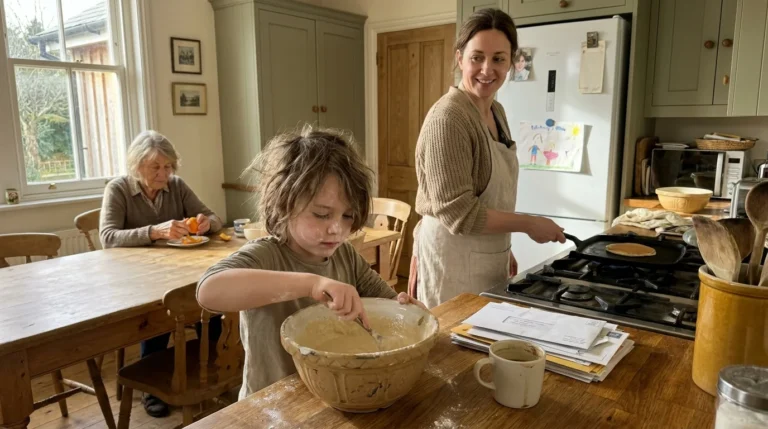
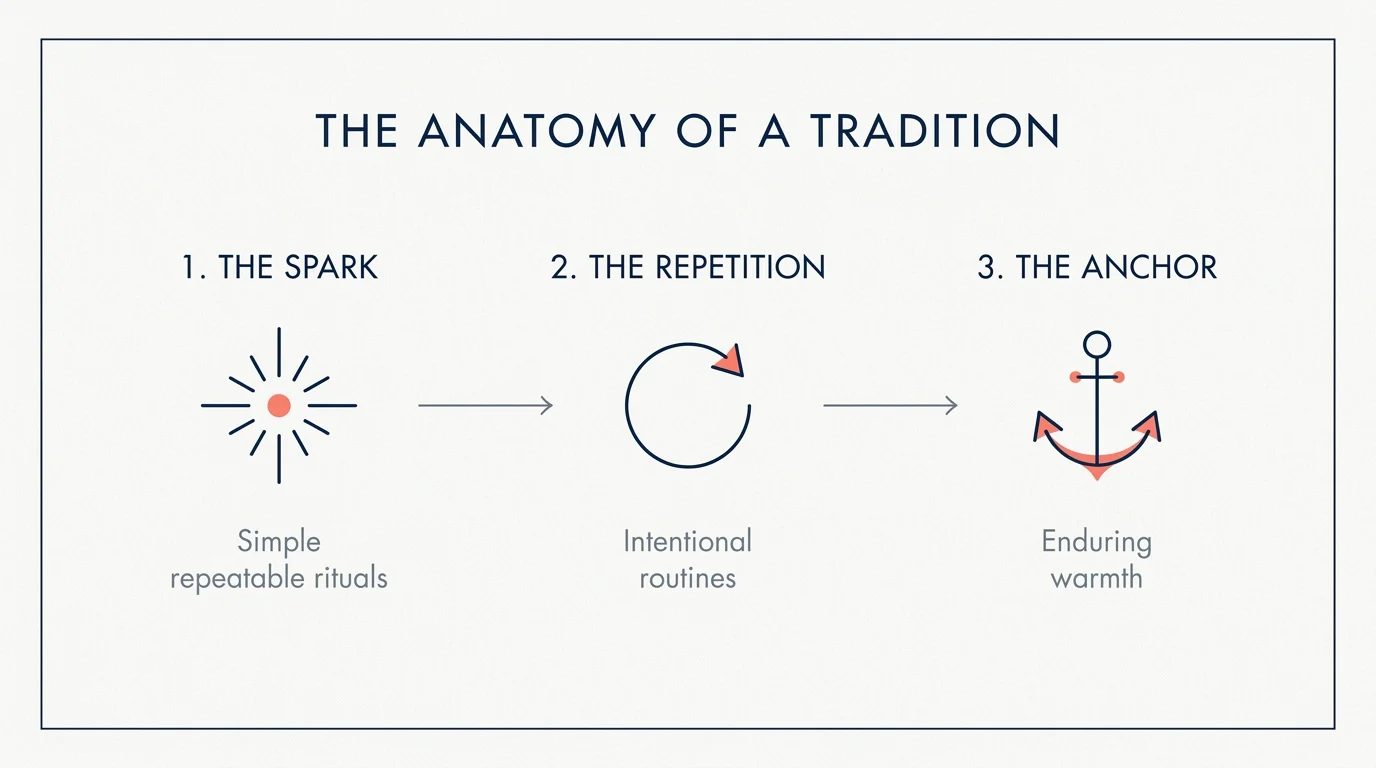
Building deliberate grandparent traditions anchors your children to a deeper sense of family identity and intergenerational resilience. When your child smells a specific Sunday roast or hears an old family story, they are absorbing a profound emotional safety net that outlasts the fleeting moments of childhood. While you might worry about bridging the generational divide or managing complex family dynamics, fostering these connections does not require elaborate planning or expensive trips. Meaningful bonds thrive on simple, repeatable rituals that weave older generations into the daily fabric of your children’s lives. By establishing intentional routines, you give your kids a living history and a distinct support system, ensuring they never forget the enduring warmth of their grandparents’ love.
Why Intergenerational Connections Matter
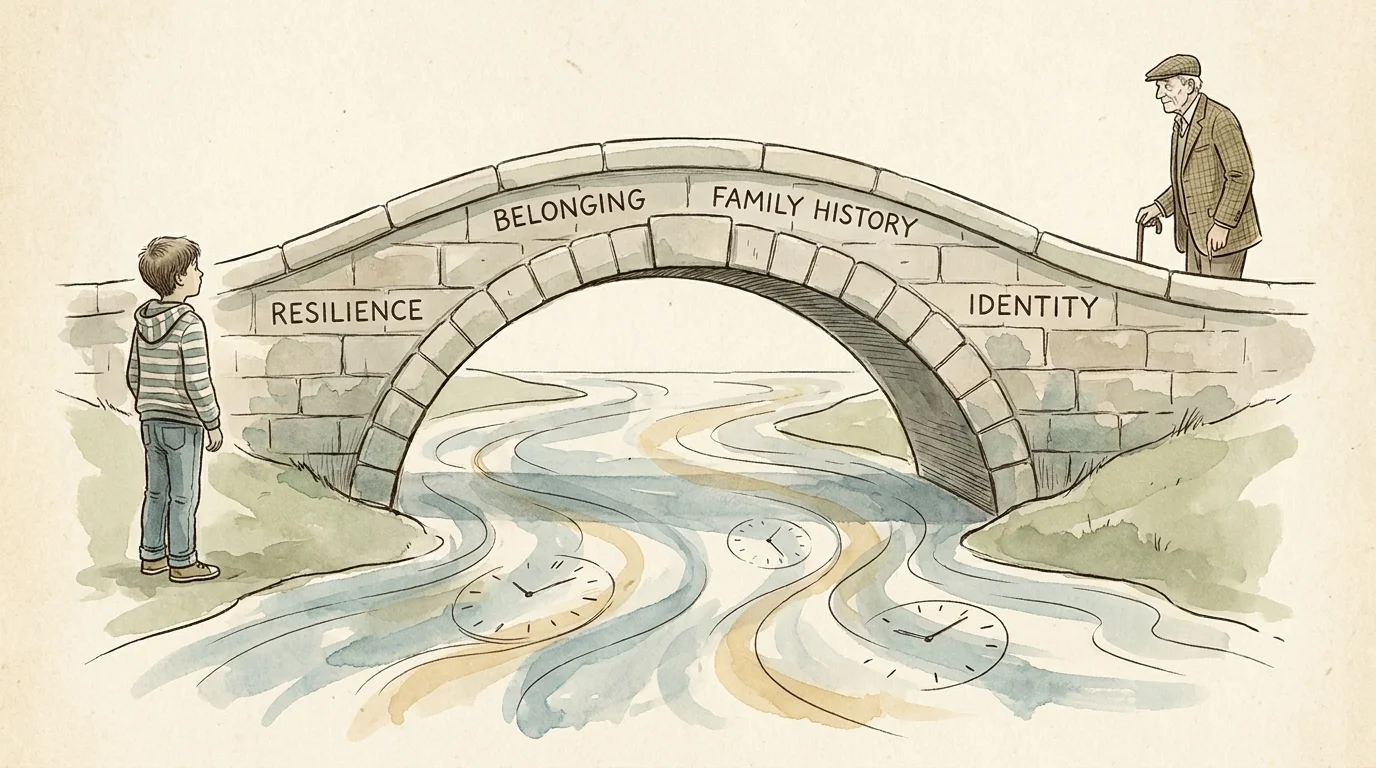
You already know intuitively that a loving relationship between your parents and your children feels good, but developmental psychology reveals that these bonds offer measurable advantages. Children thrive when they understand their place within a larger family timeline; it anchors them during periods of personal uncertainty. When kids face challenges at school or navigate the stormy waters of adolescent friendships, knowing the broader narrative of their family provides a unique form of psychological armor. They learn that their ancestors survived hardship, made mistakes, and kept going—a realization that normalizes their own everyday struggles.
Recent studies on family narratives consistently show that children who know more about their family history exhibit higher levels of emotional well-being. This sense of belonging creates an external layer of support completely separate from the immediate parent-child dynamic. Because grandparents often operate outside the high-stress environment of daily discipline and academic pressure, they provide a sanctuary of unconditional acceptance. Exploring the shifting landscape of domestic life, we see major demographic shifts in family structures where grandparents are playing more active, sustained roles in their grandchildren’s emotional development.
Your role as a parent often requires you to be the manager, the enforcer, and the primary schedule-keeper. Grandparents, however, have the luxury of serving as mentors and emotional historians. By carving out space for dedicated traditions, you empower older family members to step into this invaluable role. The resulting memories do not just entertain your children—they fundamentally shape how your kids view relationships, aging, and loyalty.
Establishing the Foundational Traditions
1. The Signature Recipe Session
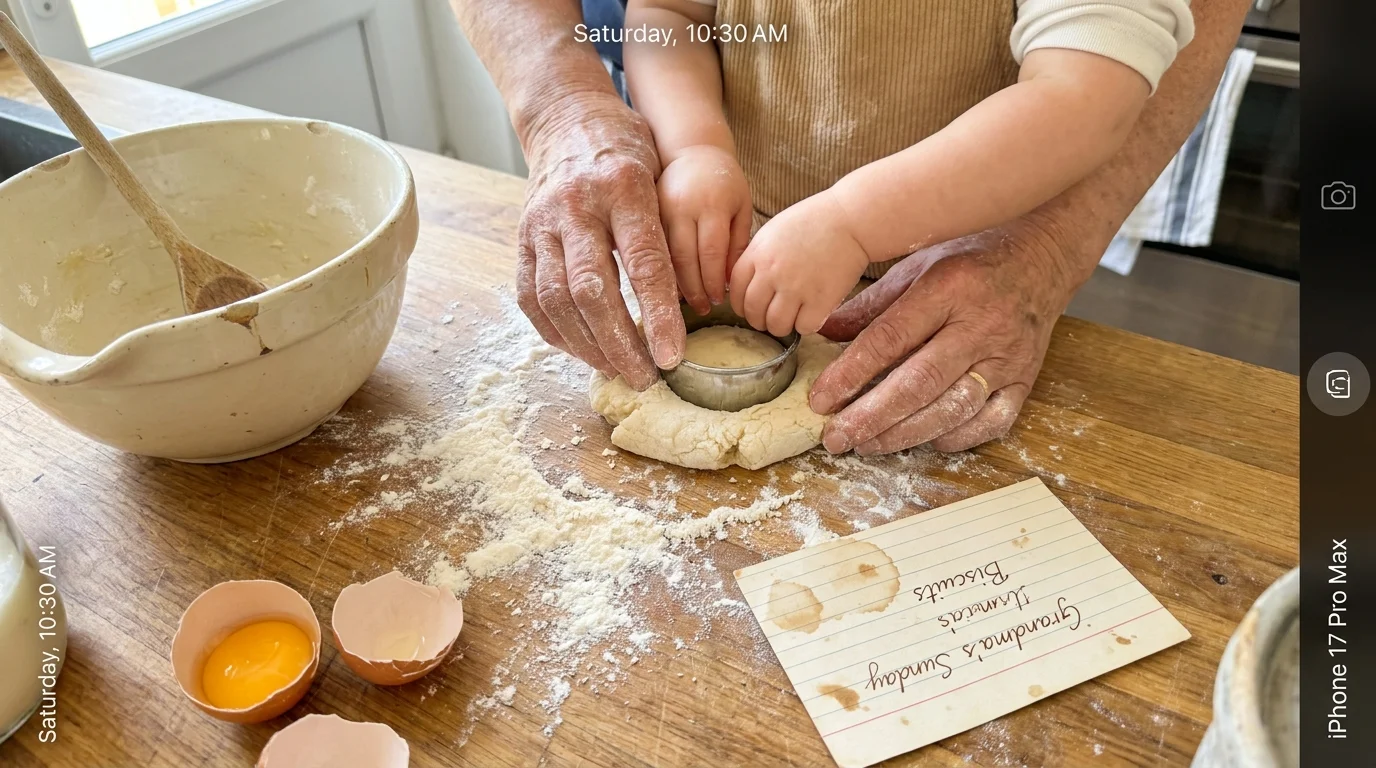
Food serves as the ultimate carrier of cultural and familial memory. Rather than relying on generic baking afternoons, you can encourage your children and their grandparents to master one specific signature dish together. This might be a culturally significant holiday meal, a secret chocolate chip cookie recipe, or even a highly specific way of making Saturday morning pancakes. The power of this tradition lies in its exclusivity. When your child steps into the kitchen to prepare this exact dish, they step into a shared sensory experience that belongs only to them and their grandparent. Over the years, the child graduates from simply pouring pre-measured flour to eventually leading the cooking process, symbolizing a beautiful transfer of family heritage.
2. The Uninterrupted Storytelling Hour
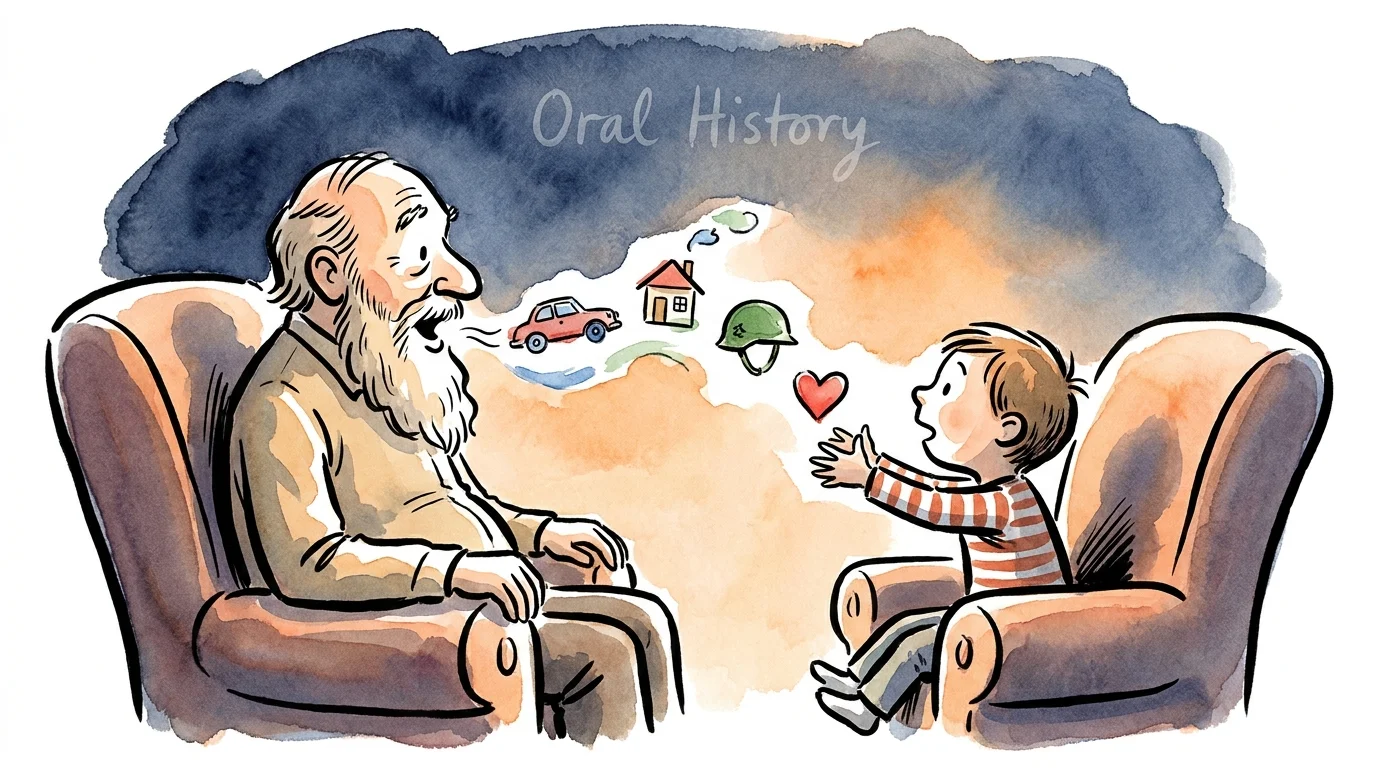
Modern family visits often succumb to the background noise of television or the constant ping of smartphones. You can counteract this by dedicating a specific window of time purely to oral history. Encourage your children to ask specific, slightly unusual questions—what their grandparent’s bedroom looked like as a teenager, or the story of their most spectacular childhood failure. Hearing these narratives humanizes older generations and bridges the gap between eras. When your child learns that their stoic grandfather once accidentally flooded his family kitchen or that their grandmother failed a driving test twice, it fosters deep empathy and connection.
3. The Annual One-on-One Outing
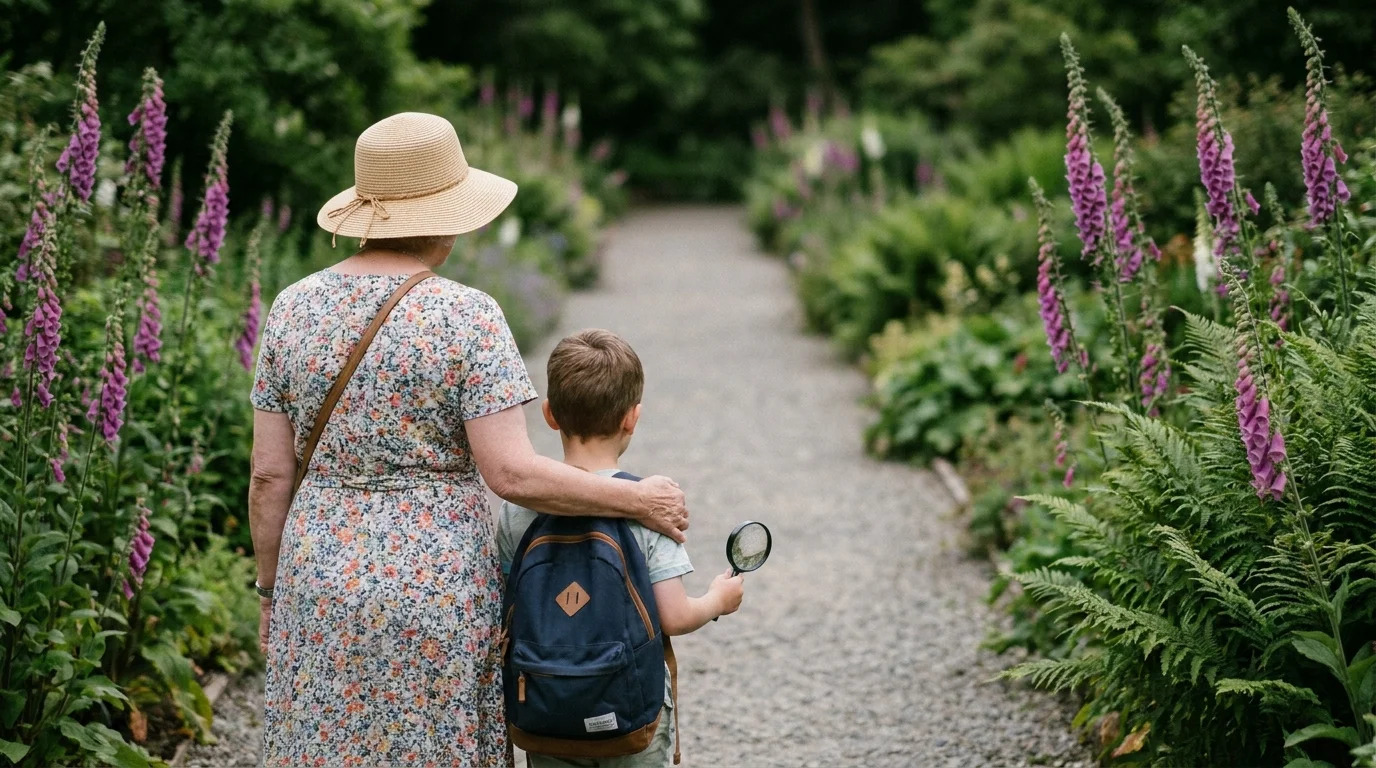
Group family gatherings are wonderful, but they often prevent deep, individualized bonding. Implementing an annual one-on-one outing creates a highly anticipated milestone. This tradition involves a grandparent taking just one child out for an activity tailored entirely to their shared interests. They might visit a dusty antique shop, tackle a local hiking trail, or simply share a quiet breakfast at a neighborhood diner. Removing siblings from the equation eliminates competition for attention and allows the child and grandparent to develop an independent relationship. Your child will remember the feeling of being uniquely chosen and celebrated.

4. The Snail Mail Exchange
Physical mail carries an emotional weight that text messages and video calls simply cannot replicate. Even if your parents live relatively close by, initiating a handwritten letter exchange establishes a tangible archive of their relationship. You can provide your children with personalized stationery and stamps, making the process feel official and important. Grandparents can mail newspaper clippings, pressed leaves, or short anecdotes, while your children can send drawings and updates on their hobbies. Keeping these letters in a dedicated shoebox gives your child a physical manifestation of their grandparent’s love—a treasure they can hold onto long after their grandparent has passed away.
5. The Skill or Hobby Apprenticeship
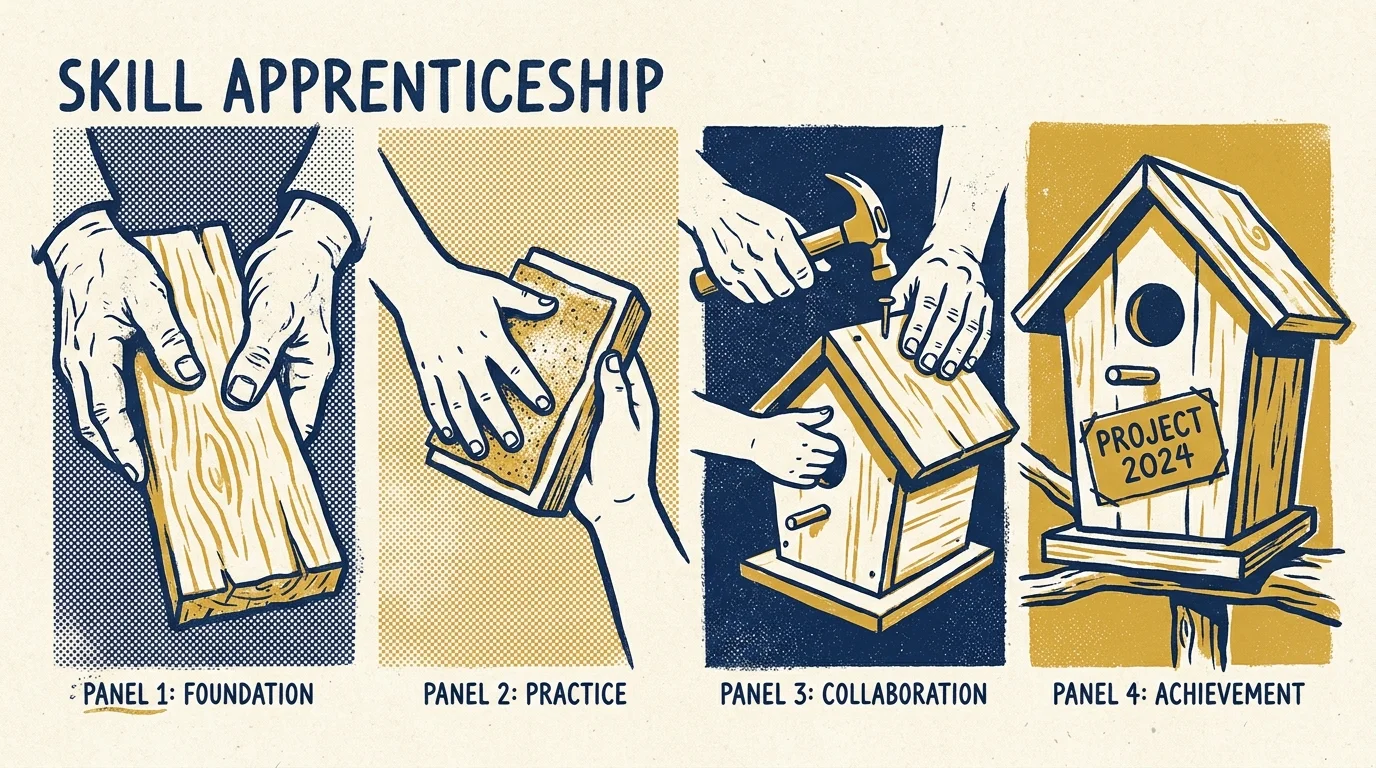
Grandparents possess decades of accumulated knowledge that rarely surfaces in everyday conversation. You can help foster a tradition where a grandparent takes on the role of a master teacher, passing down a specific skill over many years. This might involve tending to a vegetable garden, woodworking, knitting, or playing chess. The slow, methodical process of learning a craft requires patience and offers a natural setting for quiet conversation. As your child’s proficiency grows, so does their respect for their elder’s expertise. They will forever associate that specific hobby with the patient instruction of their grandparent.
6. The Milestone Time Capsule
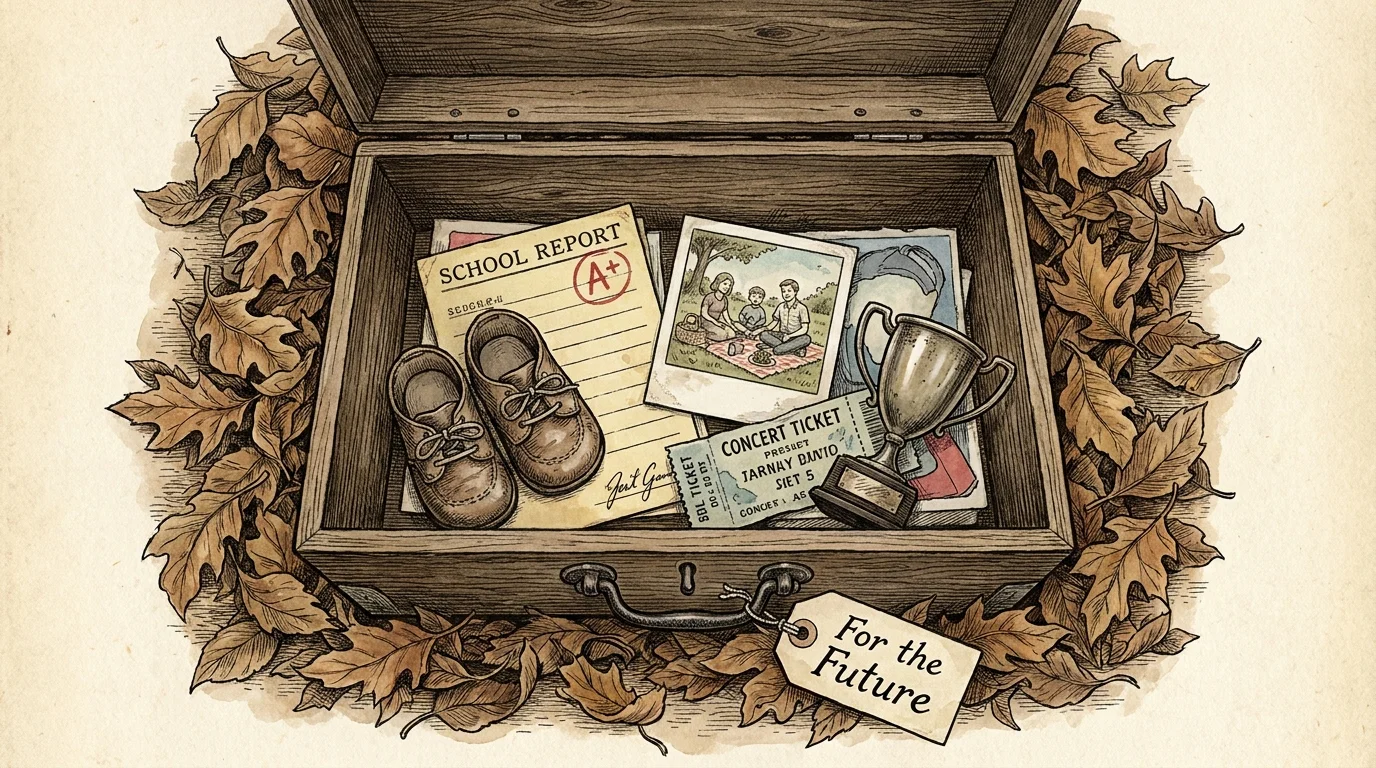
Marking the passage of time together gives children something profound to look forward to. You can coordinate a tradition where the grandparent and child create a small time capsule at the start of every school year or on a specific birthday. They can fill a small jar or box with a current photograph, a written prediction for the upcoming year, and a small trinket. Storing these capsules away and opening the previous year’s collection becomes a powerful ritual of reflection. It allows both generations to witness each other’s growth and changing perspectives, anchoring the child firmly within the continuity of their family.

7. The Unofficial Holiday Celebration
Major holidays carry the burden of heavy expectations, complex travel logistics, and packed schedules. Creating an entirely unofficial family holiday relieves this pressure and injects pure joy into the relationship. Your family might celebrate the first day of spring with a mandatory ice cream outing, or recognize half-birthdays with a special phone call and a silly song. Because this tradition operates completely outside of societal norms, it feels like a secret club. Your children will grow up cherishing this quirky celebration precisely because it belongs exclusively to their family ecosystem.

Expert Voices and Real Family Experiences
Therapists and family counselors consistently emphasize the importance of distinct roles within the family unit. Experts focused on building emotional intelligence across generations note that grandparents are perfectly positioned to practice emotion coaching. Because they are not tasked with the heavy lifting of daily parenting, they can afford to listen more patiently and validate a child’s feelings without rushing to fix the problem immediately.
Consider the experience of a mother named Elena, who recently navigated a tough transition when her oldest daughter started middle school. Elena shared that her daughter’s anxiety was at an all-time high, making her resistant to parental advice. However, her grandmother initiated a weekly Sunday morning walk around the neighborhood. During these walks, the grandmother simply listened and shared stories of her own middle school insecurities. Elena realized that this dedicated tradition provided her daughter with a vital emotional outlet that she, as the primary parent, could not fulfill at that moment. The walks became an anchor, proving the immense value of an alternate, trusted adult voice.
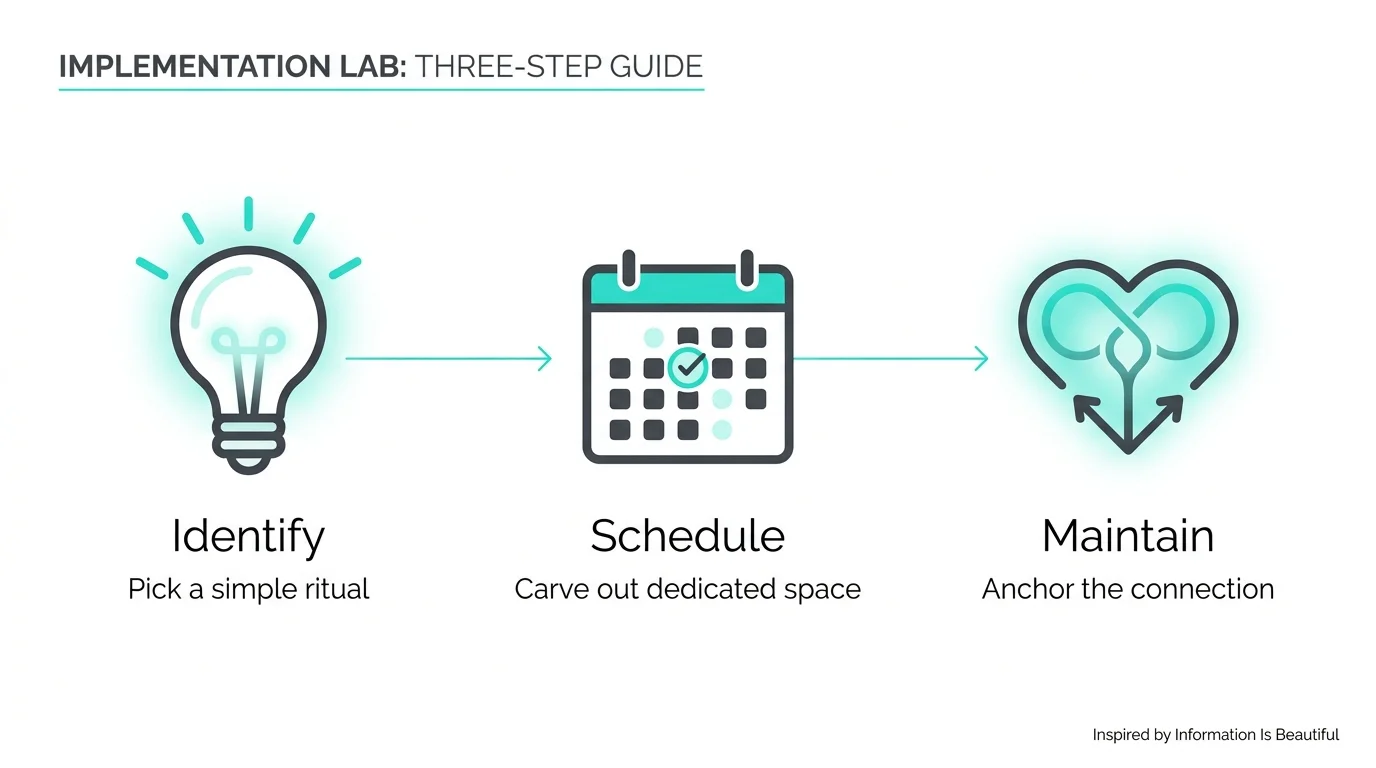
Implementation Lab: Starting a New Tradition
Moving from the idea of a tradition to actual execution requires a delicate touch. You must present the concept without making it feel like an assigned chore for either the grandparent or the child. The most effective approach involves initiating a casual conversation about shared interests. You might mention to your father that your son has shown a sudden interest in fixing bicycles, suggesting that the two of them could tinker with an old bike in the garage.
Once you identify a natural point of connection, help facilitate the first few interactions to ensure the tradition takes root. Provide the necessary supplies, clear the schedule, and step out of the way. Your role is the architect, but you must let them be the builders. Resist the urge to hover or micromanage the activity. If the kitchen gets messy during a baking session, or if a woodworking project looks slightly crooked, you must let it go. The goal is the connection, not perfection.
After the activity concludes, reinforce the positive memory by asking your child open-ended questions about their experience. Mentioning the activity affectionately in passing normalizes it and sets the stage for the next occurrence. Over time, you can slowly withdraw your logistical support until the child and grandparent are coordinating the tradition entirely on their own.
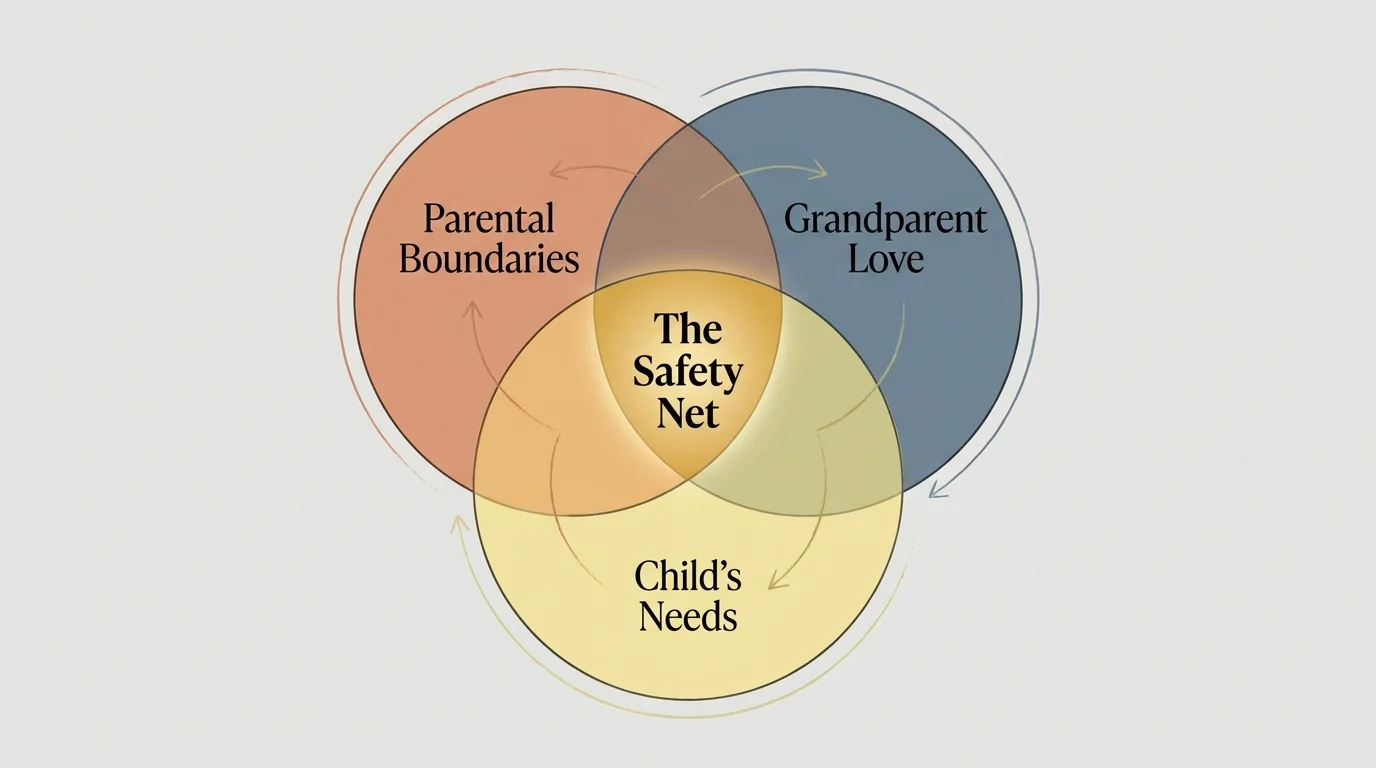
Safeguards: Navigating Boundaries and Complex Dynamics
While the benefits of intergenerational bonding are immense, you must prioritize the emotional safety of your children above the desire for a picture-perfect family dynamic. Not all grandparents are equipped to offer a healthy, supportive environment. If your parents or in-laws have a history of toxic behavior, boundary violations, or emotional manipulation, you have every right to limit their access.
You can encourage traditions only within the parameters of what feels safe and constructive. For families dealing with complex relationships, traditions might need to be highly structured and supervised. A shared meal in a public restaurant provides a built-in time limit and neutral ground, making it an excellent option for maintaining connection while preserving boundaries. You must communicate your parenting rules clearly and enforce them without apology. If a grandparent consistently undermines your authority or speaks negatively about you to your child, it is necessary to pause these specific traditions and reevaluate the level of contact.
Furthermore, you must account for the physical and cognitive limitations of aging family members. A tradition should never become a physical burden. Be vigilant in observing how much energy a grandparent truly has, and be prepared to gracefully pivot to a lower-impact activity if needed. Flexibility ensures that the tradition remains a source of joy rather than a source of stress or physical pain.
Frequently Asked Questions
How do we maintain traditions from a distance?
Physical distance requires a shift from shared physical spaces to shared digital or mail-based spaces. Video calls can easily replace physical visits if they are structured around an activity rather than just open-ended conversation. A grandparent and grandchild can read the same chapter of a book and discuss it over video, or they can play a digital board game together. The snail mail exchange mentioned earlier is particularly powerful for long-distance relationships, as the anticipation of receiving something in the mailbox keeps the connection alive between visits.
What if my parents are not physically capable of active play?
You can entirely decouple meaningful traditions from physical exertion. Traditions rooted in storytelling, listening to old records, sorting through family photo albums, or engaging in a slow-paced hobby like knitting are deeply rewarding. Children are highly adaptable and will cherish the quiet, focused attention of a grandparent just as much as a trip to the park. The focus should remain on eye contact, shared attention, and conversation rather than physical movement.
How do I handle a grandparent who ignores our parenting boundaries?
You must address boundary violations immediately and privately with the grandparent. Frame the conversation around the preservation of the relationship. You can explain that in order for these shared traditions to continue successfully, certain rules must be respected. If a grandparent insists on giving a child excessive sugar right before bedtime despite your requests, you must shift the tradition to a morning activity. By controlling the environment and the timing, you can protect your parenting boundaries while still allowing the relationship to flourish.
Can we start these traditions if the kids are already teenagers?
It is entirely possible to forge new connections during the teenage years, provided you respect their growing need for autonomy. Teenagers appreciate being treated as young adults. A tradition for a teenager might look like a grandparent taking them out for coffee to discuss their college plans, or watching a specific documentary series together. Academic research regarding child well-being highlights that adolescents benefit immensely from the stable, non-judgmental presence of an older adult. You simply need to align the tradition with the teenager’s current developmental stage and personal interests.
A Final Encouragement
You hold the remarkable power to facilitate a bond that will shape your children for the rest of their lives. Fostering these relationships does not demand perfection, endless free time, or forced enthusiasm. It requires only a gentle nudge and a willingness to create space for your family’s older generation to share their wisdom. As you step back and watch your child laugh at a story you have heard a hundred times, or proudly display a slightly lopsided birdhouse built in their grandfather’s garage, you will witness the profound beauty of continuity. Take one small step this week—perhaps a phone call to arrange a simple Sunday breakfast—and watch as a lifelong memory begins to unfold.