
You sit across the holiday dinner table as a relative insists your toddler offer a hug, feeling the familiar tension of choosing between family expectations and your own parenting values. Navigating the delicate space between honoring your family culture and protecting your peace requires a clear understanding of which generational habits no longer serve modern families. Today, younger generations are actively dismantling outdated family traditions that compromise mental health, physical boundaries, and emotional well-being. By recognizing these shifting dynamics, you gain the power to redefine your family legacy without relying on guilt or obligation. Breaking cycles of generational conflict allows you to build a healthier, more authentic foundation for the people you love the most.
The Research Behind the Generational Shift
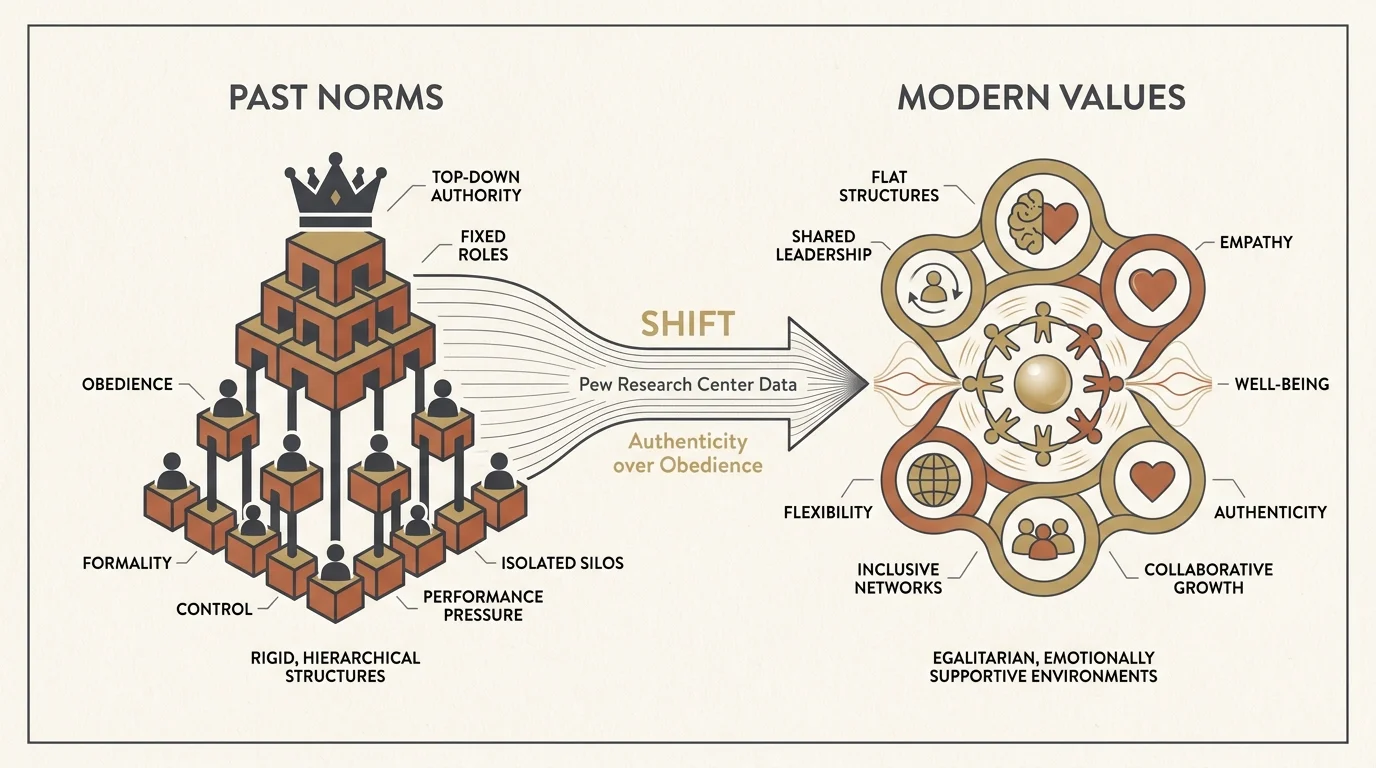
Family dynamics are undergoing a massive transformation, driven by a growing cultural emphasis on mental health and emotional intelligence. For decades, societal norms dictated that families must stick together under all circumstances, prioritizing the collective image over individual well-being. Today, you are part of a generation that values authenticity and psychological safety over mere obedience. Societal research mirrors this profound change in the modern household. According to comprehensive data on household structures published by the Pew Research Center, younger adults are redefining what family obligation means, actively moving away from rigid, hierarchical structures toward egalitarian, emotionally supportive environments.
This shift often sparks generational conflict. Older relatives might view your boundaries as personal rejections or a lack of respect for familial authority. They grew up in an era where children were seen and not heard, and where family secrets were guarded at all costs. You, however, recognize that blind compliance breeds resentment. Understanding this psychological divide helps you depersonalize the pushback you receive when you choose to parent differently or protect your weekends. You are not rebelling just to be difficult; you are breaking generational trauma to ensure your family culture promotes growth rather than stifling it.
7 Family Traditions Younger Generations Are Leaving Behind

Forced Physical Affection
For generations, family gatherings featured a chorus of adults telling children to go give their aunts, uncles, and grandparents a hug or a kiss. Today, parents are recognizing the severe flaw in forcing children to offer physical affection against their will. Demanding that a child ignore their own bodily discomfort to appease an adult teaches them that their physical boundaries do not matter. You are championing bodily autonomy by allowing your children to choose how they greet relatives. Whether they offer a high-five, a wave, or a simple verbal greeting, you are teaching them from a young age that they control who touches their bodies. This foundational respect for consent drastically improves their ability to set healthy physical boundaries in adulthood, as endorsed by resources provided by the Child Mind Institute regarding childhood autonomy.
Ignoring Mental Health Struggles
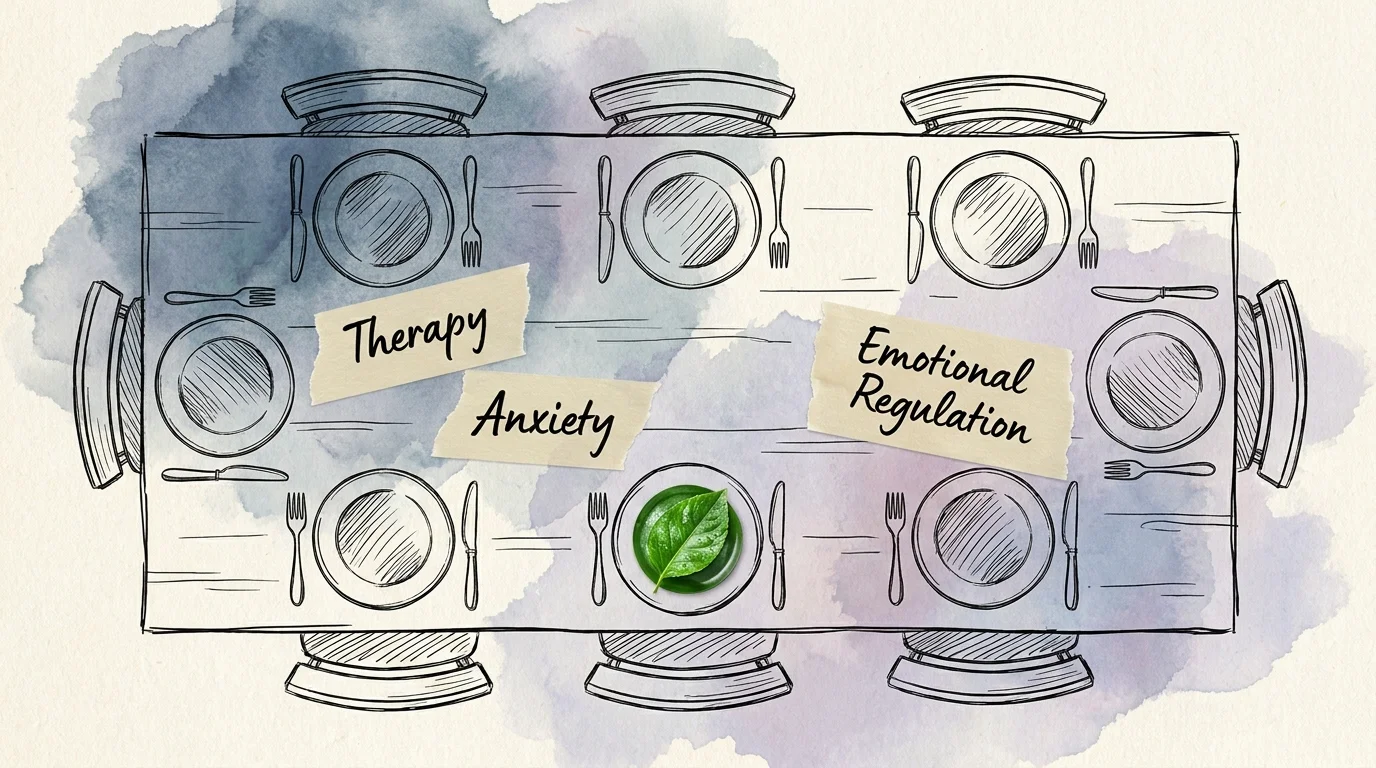
The tradition of sweeping anxiety, depression, and neurodivergence under the rug is rapidly coming to an end. Past generations often treated mental health struggles as personal failings or shameful secrets that would ruin the family reputation. You are refusing to carry this stigma forward. Modern families openly discuss therapy, emotional regulation, and psychological struggles at the dinner table. By naming these challenges and seeking professional help, you normalize the human experience for your children. You understand that ignoring a problem does not make it disappear; it merely forces the most vulnerable family members to suffer in silence. Bringing mental health into the light ensures your loved ones receive the care they need without the burden of shame.

Authoritarian Parenting and Discipline
The age-old justification of doing things simply because a parent said so is losing its grip on the modern household. Authoritarian parenting relies on fear, punishment, and absolute control to manufacture compliance. You are replacing this outdated tradition with authoritative, responsive parenting. This approach prioritizes connection, natural consequences, and emotional coaching. Instead of demanding unquestioning obedience, you focus on teaching your children how to navigate their emotions and make sound decisions. While older relatives might misinterpret this compassionate approach as permissiveness, you know that fostering mutual respect builds a far stronger, more trusting relationship with your children than fear ever could.
Rigid Gender Roles in the Household
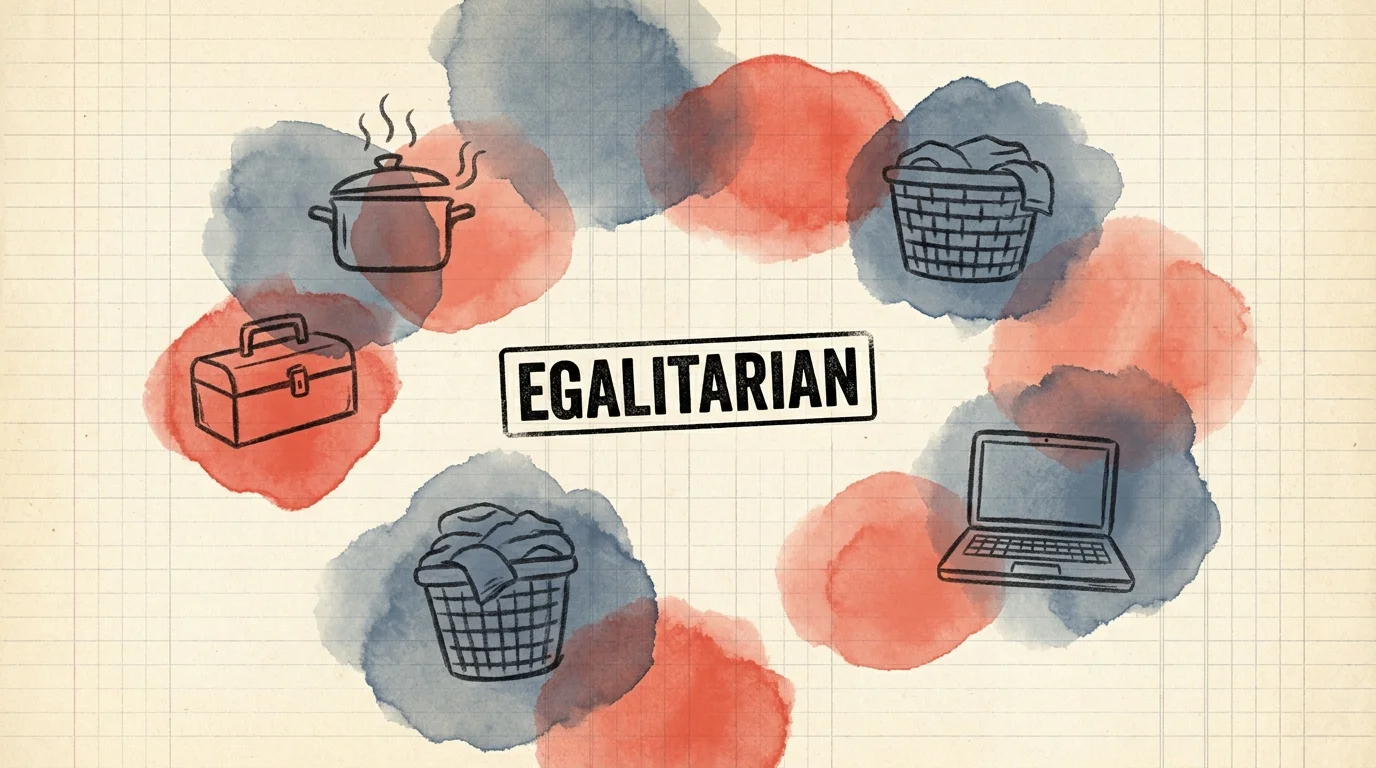
The expectation that women will automatically manage all the invisible labor, emotional tracking, and domestic chores while men act solely as financial providers is a tradition actively being dismantled. You are demanding egalitarian partnerships where both partners share the mental load of managing a family. This means discarding the concept of a father babysitting his own children or a mother single-handedly organizing every holiday gathering and doctor appointment. Couples are having direct, ongoing conversations about chore division, childcare, and career compromises. Refusing to default to archaic gender roles reduces marital resentment and models healthy, balanced partnerships for the next generation.
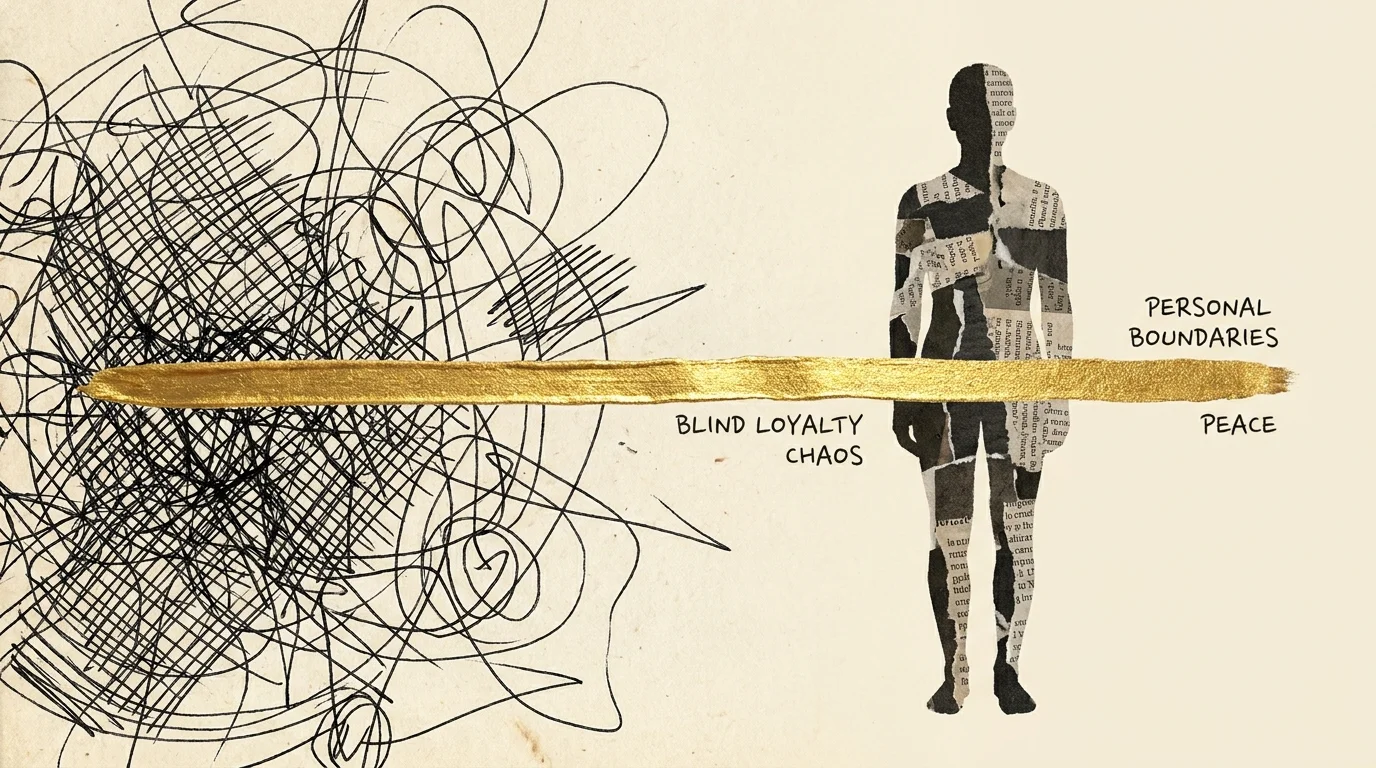
Blind Family Loyalty Above Personal Safety
Blood relation is no longer viewed as a free pass for toxic behavior. The tradition of maintaining relationships with abusive, manipulative, or deeply harmful family members simply because they are family is being firmly rejected. You prioritize your emotional and physical safety over preserving the illusion of a perfect family tree. Cutting ties or severely limiting contact with a toxic relative is an incredibly painful decision, but it is often a necessary act of self-preservation. Recognizing that loyalty must be earned through mutual respect and consistent kindness allows you to curate a support system that genuinely enriches your life, rather than one that drains your emotional reserves.

Obligatory Holiday Exhaustion
Loading exhausted children into the car to visit four different households in a single holiday weekend is a tradition modern families are actively declining. The pressure to appease every branch of the extended family often leaves the nuclear family drained, irritable, and disconnected. You are reclaiming your holidays by prioritizing rest and meaningful connection over frantic attendance. Whether this means hosting one localized gathering, rotating holiday visits year by year, or choosing to stay home in pajamas, you are refusing to sacrifice your family’s joy to satisfy an impossible itinerary. Setting geographical and scheduling boundaries during peak stress periods protects your mental health and restores the magic of the season.

Protecting Toxic Family Secrets
Every family has its shadows, but past generations often dedicated immense energy to hiding addiction, financial ruin, abuse, or estrangements. The tradition of keeping family secrets forces victims to protect the reputations of those who harmed them. You are breaking this cycle by prioritizing truth and healing over appearances. Open, age-appropriate honesty prevents generational cycles from repeating in the dark. According to relationship frameworks developed by the Gottman Institute, addressing difficult truths builds resilient trust within relationships. By refusing to uphold the toxic silence of the past, you allow your family to process trauma authentically and move forward with genuine integrity.
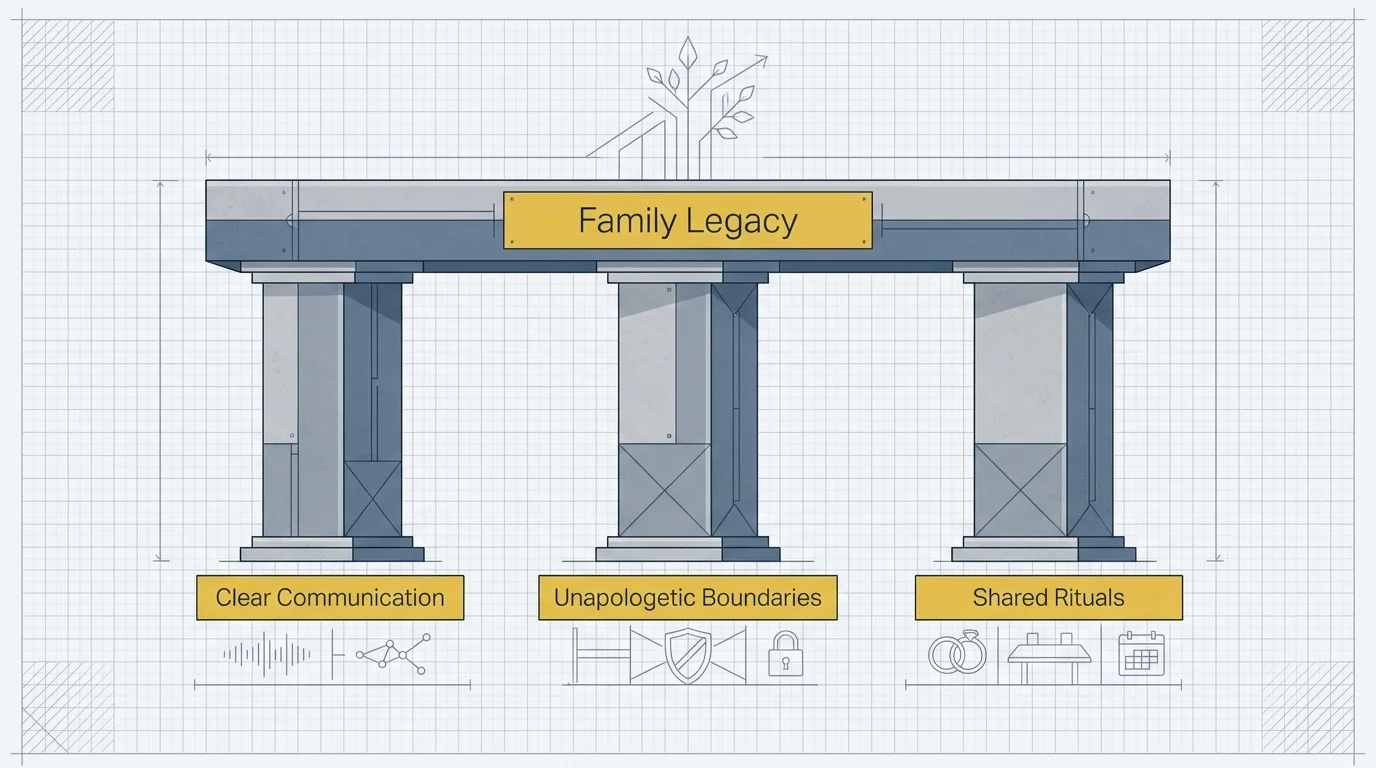
Guidance Pillars for Navigating Generational Conflict

Prioritize Clear Communication Over Appeasement
When you break a longstanding tradition, communication is your most valuable tool. The goal is not to convince older generations to agree with you, but to clearly inform them of your decisions. Communicate your changes calmly and early, before the stress of a major event amplifies emotions. Use “I” statements that center your family’s needs rather than attacking their traditions. For instance, explaining that your family needs a quiet morning to recharge is far more effective than accusing relatives of creating stressful environments. Clear communication removes ambiguity and stops passive-aggressive expectations from festering.

Set and Hold Unapologetic Boundaries
Boundaries are the invisible lines that protect your family’s well-being. Once you communicate a boundary, you must hold it. Older generations may test these boundaries out of habit or frustration. When they do, consistency is crucial. If you state that you will leave a gathering if a specific conversational boundary is crossed, you must be prepared to gather your coats and exit calmly when the violation occurs. Detailed resources on healthy boundary setting provided by the American Psychological Association emphasize that boundaries are not punishments for other people; they are rules for your own behavior and the environments you accept for your family.

Create and Champion Shared Rituals
Dismantling toxic traditions leaves a void that must be filled with positive, intentional rituals. As you step away from obligations that drain you, actively design new traditions that bring your family authentic joy. This might look like a weekly pizza and movie night, a collaborative gratitude practice at the dinner table, or an annual weekend camping trip with chosen family. By focusing on connection and shared values, you replace the heavy burden of generational obligation with the lightness of intentional family culture. These new rituals will become the healthy legacy your children carry forward.

Expert Perspectives and Real Voices
Licensed marriage and family therapists frequently note that the greatest source of holiday anxiety is the clash between deeply ingrained family expectations and the developmental needs of young children. Experts emphasize that guilt is a natural byproduct of breaking cycles, but it does not mean you are making the wrong decision. Guilt simply indicates you are stepping outside your conditioned comfort zone. You must learn to tolerate the discomfort of disappointing others in order to protect your immediate family.
Consider the experience of a reader named Sarah, who finally stopped attending her family’s massive, high-conflict Thanksgiving dinner. For years, she subjected her children to screaming matches and passive-aggressive comments just to keep the peace. When she finally established a boundary and chose to host a quiet dinner for four at her own home, the initial pushback from her parents was severe. However, the peace her family experienced that Thursday—cooking together without tension, laughing over board games, and waking up refreshed—was a revelation. She realized that the temporary discomfort of setting the boundary was a small price to pay for her family’s enduring emotional safety.
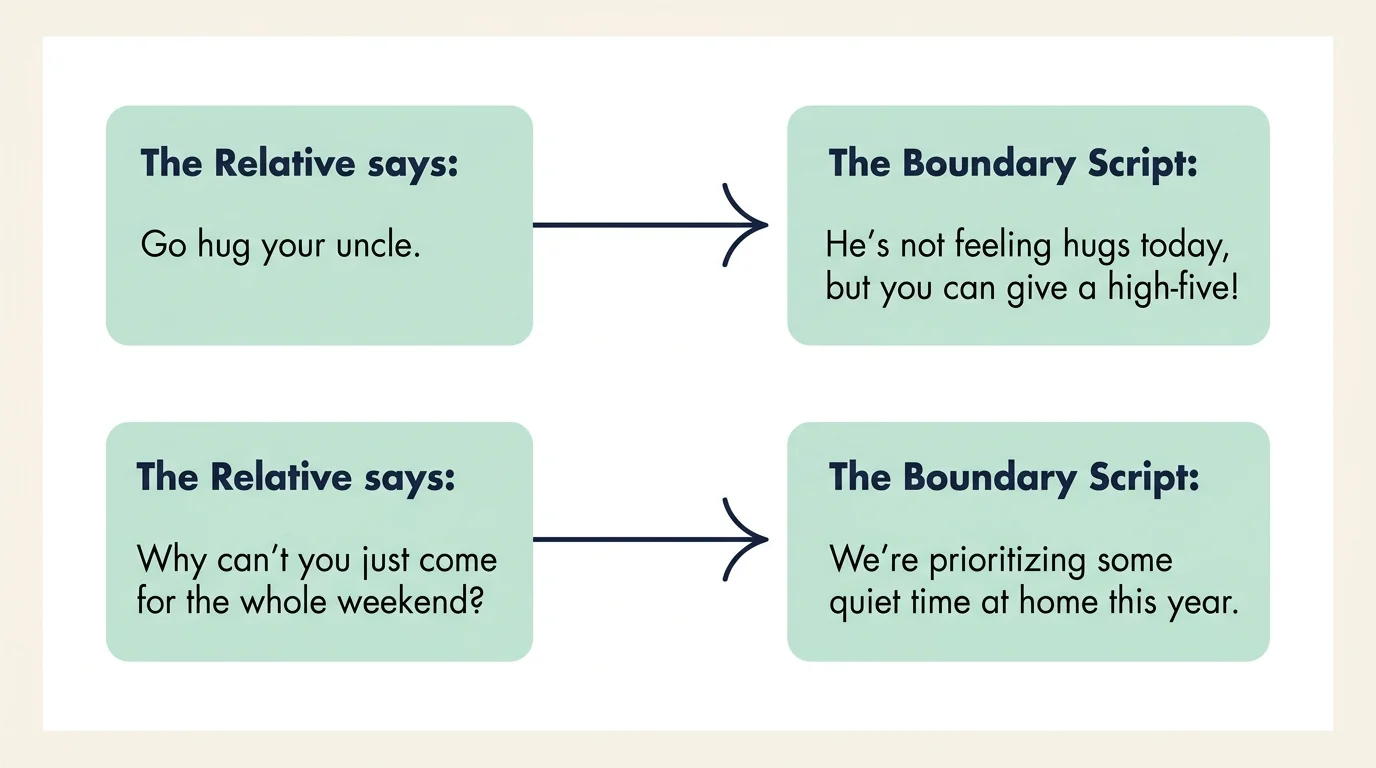
Implementation Lab: Scripting Your Boundaries
Putting these concepts into practice requires practical scripts, especially when confronting ingrained family habits. Imagine your mother-in-law informs you that she expects you to attend a sprawling, multi-day holiday gathering that historically leaves your children overwhelmed and your marriage strained. Instead of offering weak excuses, you can implement a clear, boundary-driven conversation.
Begin by validating the invitation while clearly stating your limit. You might say, We love you and appreciate how much effort you put into getting everyone together. However, traveling for three days is too overwhelming for the kids right now, so we will not be attending the full weekend.
Expect immediate pushback. She may cite tradition or express disappointment. When this happens, anchor yourself and reiterate the boundary without over-explaining or seeking her permission. You can respond with, I understand this is disappointing, and we are sad to miss out on the big dinner. We are prioritizing a slower pace for the kids this year. We would love to come over for pie and coffee on Sunday afternoon instead.
By offering a controlled alternative, you demonstrate that you value the relationship while strictly managing the parameters of your involvement. If she rejects the alternative, accept her decision gracefully: I understand Sunday does not work for you. We will miss you and look forward to catching up next month. You maintain your peace while remaining entirely in control of your family’s schedule.
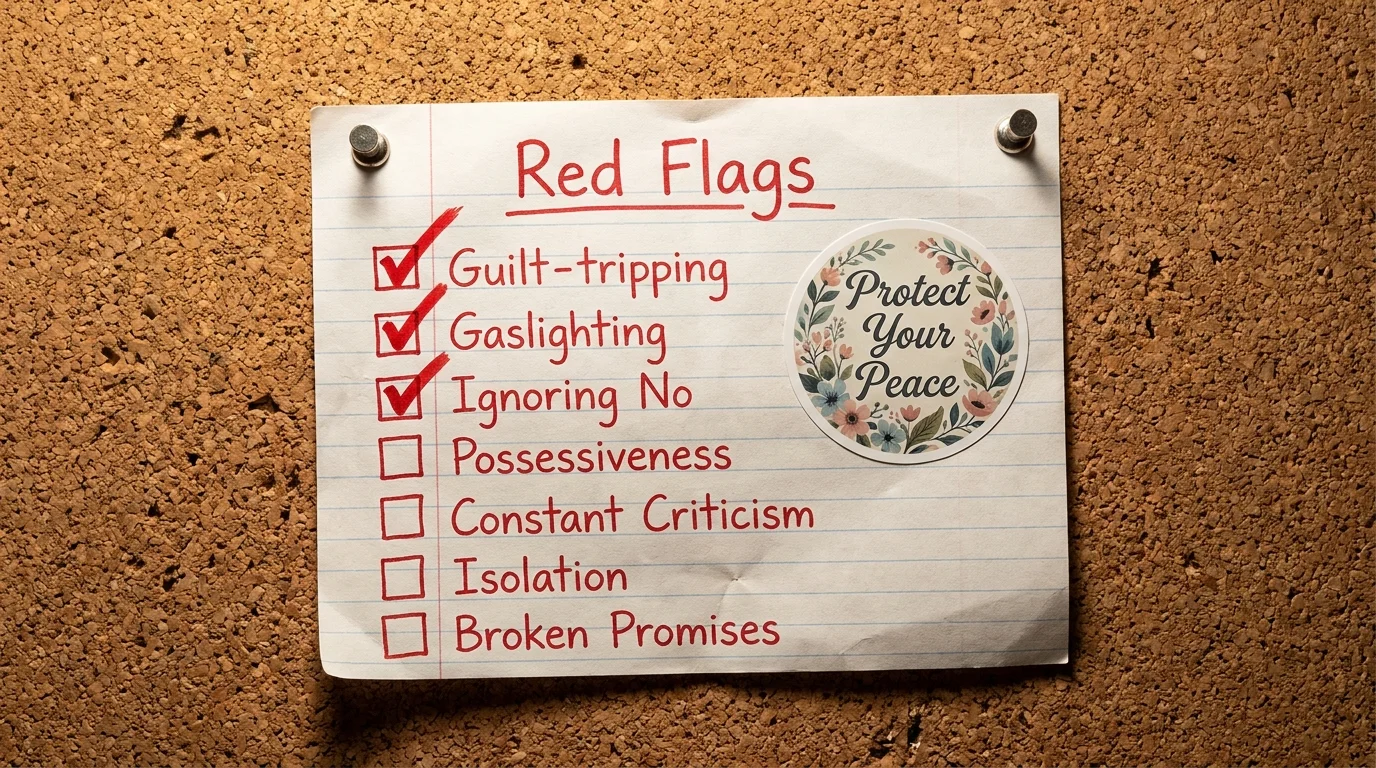
Safeguards: Recognizing Red Flags and Protecting Your Peace
While navigating generational differences is normal, you must remain vigilant for severe red flags. Disappointment and grumbling are acceptable reactions to changing traditions; relentless manipulation, emotional blackmail, and verbal abuse are not. If your attempts to set boundaries are met with targeted cruelty, gaslighting, or threats of familial excommunication, you are dealing with a toxic environment that requires a much stronger protective barrier.
In these instances, you may need to escalate your boundaries to structured contact or full estrangement. You do not have to navigate this isolation alone. Seeking guidance from specialized family counselors or utilizing support networks detailed by organizations like the National Alliance on Mental Illness can provide you with the tools to process the grief of estrangement. Always prioritize your physical and emotional safety above any cultural mandate to forgive and forget.
Frequently Asked Questions
How do I handle the guilt of breaking a longstanding tradition?
Guilt is a learned response, often programmed into you since childhood to ensure compliance with the family system. Recognize that feeling guilty does not mean you are doing something wrong; it simply means you are changing the rules. Counter the guilt by clearly identifying the positive outcomes of your decision. When you feel bad for skipping a stressful event, actively observe the peace and joy your immediate family is experiencing in its absence. Over time, the evidence of your family’s thriving mental health will replace the guilt with confidence.
What if my parents refuse to accept my new boundaries?
You cannot control your parents’ acceptance; you can only control your own enforcement. If they refuse to respect your boundaries, you must implement consequences. This might mean leaving the room, ending a phone call, or skipping an event entirely. Your parents are allowed to have their feelings about your boundaries, but they are not allowed to violate them. Consistency is the only way to teach a resistant family member that your limits are absolute.
Can I keep parts of a tradition while changing others?
Absolutely. Traditions do not have to be an all-or-nothing proposition. You have the freedom to audit your family history and extract only the elements that bring you joy. If you love your grandmother’s holiday recipes but hate the formal, high-stress dinner party environment, you can cook the same recipes in your pajamas while watching a movie. Repurposing the beautiful aspects of your heritage while discarding the toxic elements is the ultimate act of generational healing.
How do I explain these changes to my young children?
Keep your explanations age-appropriate, positive, and focused on your family’s core values. You do not need to disparage older relatives to explain a boundary. Instead of saying that a specific family member is toxic, you can explain to your children that your family values speaking kindly to one another, and you are choosing to spend your time in places where everyone uses kind words. Frame new traditions as exciting additions rather than acts of rebellion, emphasizing that your family is building its own unique way of celebrating and connecting.
Forging a Healthier Family Future
You hold the power to dictate the culture within your own home. By bravely refusing to carry forward traditions rooted in coercion, exhaustion, and silence, you are offering your children a profoundly beautiful gift. You are teaching them that love does not require the sacrifice of their physical or emotional safety. As you establish new rituals grounded in respect and genuine connection, remember that the discomfort of breaking old cycles is temporary, but the peace of a healthy, authentic family legacy will echo for generations to come.