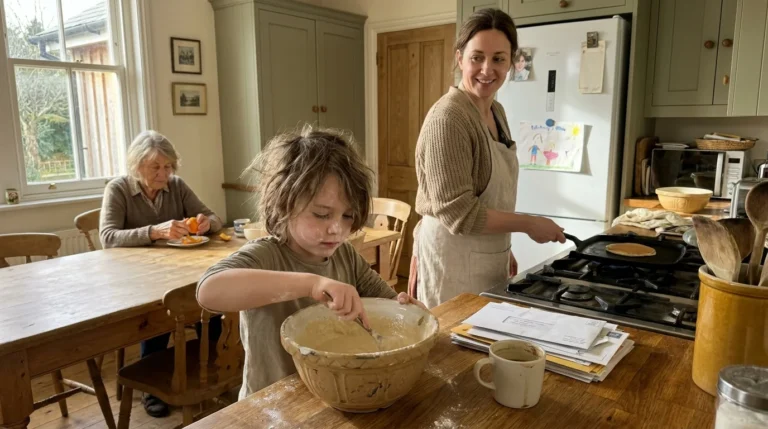
The secret to building a tight-knit family does not lie in extravagant vacations or flawless holiday dinners; it thrives in the quiet rhythms of your daily life. You can cultivate deep family bonds and raise resilient children by intentionally practicing small, everyday habits that foster connection. The moments you brush past on a Tuesday evening often become the stories your grandchildren will hear decades from now. Creating lifelong memories requires stepping away from the pressure of perfection and leaning into consistent shared rituals instead. When you understand the psychological power of routines, you transform ordinary minutes into emotional anchors. This intentional approach to family time protects your relationships against modern chaos while giving everyone a profound sense of unconditional support.

The Psychological Weight of Family Traditions
You are managing careers, managing friendships, and trying to keep the household from falling apart, leaving very little room for Pinterest-perfect traditions. Fortunately, perfection is entirely unnecessary when it comes to emotional bonding. Sociological research consistently demonstrates that children and adults alike crave predictability; it serves as a psychological buffer against the stress of the outside world. When your family commits to regular, shared habits, you create a microscopic culture that belongs entirely to you. This culture teaches your children how to process emotions, how to communicate their needs, and how to build secure attachments that will inform their adult relationships.
According to parenting research from the American Psychological Association, families who engage in predictable routines experience lower levels of stress and exhibit higher emotional intelligence. A shared habit acts as a grounding mechanism. It signals to every member of the household that no matter how chaotic the external environment becomes, the family unit remains a safe harbor. By formalizing simple daily or weekly acts, you weave a narrative of stability and affection that outlasts temporary hardships.

Communication Habits That Foster Deep Connection
True intimacy within a family requires moving past logistical conversations. If your daily interactions consist entirely of discussing homework, grocery lists, and chore charts, you miss critical opportunities to understand who your family members are becoming.

Habit 1: The Daily High-Low Check-In
Transform your dinner table or evening car ride into an environment for emotional vulnerability by establishing a daily “high-low” routine. Each person shares the best part of their day and the most challenging part of their day. This simple framework strips away the instinct to respond to “How was your day?” with a dismissive “Fine.” By participating in this habit yourself, you model emotional regulation for your children. When you admit that you felt frustrated during a work meeting, you grant your children permission to voice their own struggles. The Gottman Institute refers to these interactions as emotional bids; intentionally turning toward these bids builds an insurmountable foundation of trust.

Habit 2: Establishing Unplugged Transition Corridors
The transition between the demands of the outside world and the sanctuary of your home represents a critical window for connection. Establish a habit where the first twenty minutes after everyone arrives home are entirely screen-free. Instead of immediately checking emails or turning on the television, use this corridor of time to physically and emotionally reunite. You might share a snack, play a quick card game, or simply sit together on the living room floor. Guarding this brief window ensures that your primary relationships receive your best energy, rather than the exhausted remnants of your attention.

Shared Rituals That Build Your Family Identity
Family traditions do not need to be elaborate to be effective. The most powerful rituals are those that happen frequently enough to become seamlessly integrated into your collective identity.

Habit 3: The Anchor Meal
Modern schedules often make daily family dinners impossible, but you can counteract this by dedicating one specific meal a week as your unmovable anchor. Whether it is a Sunday morning pancake breakfast or a Friday night pizza picnic on the living room floor, this meal belongs exclusively to your household. Make the environment distinct from your regular routine—light a candle, play a specific playlist, or bring out special plates. The sensory details of this anchor meal will become permanently associated with feelings of safety and belonging in your children’s memories.
Habit 4: Honoring Micro-Milestones
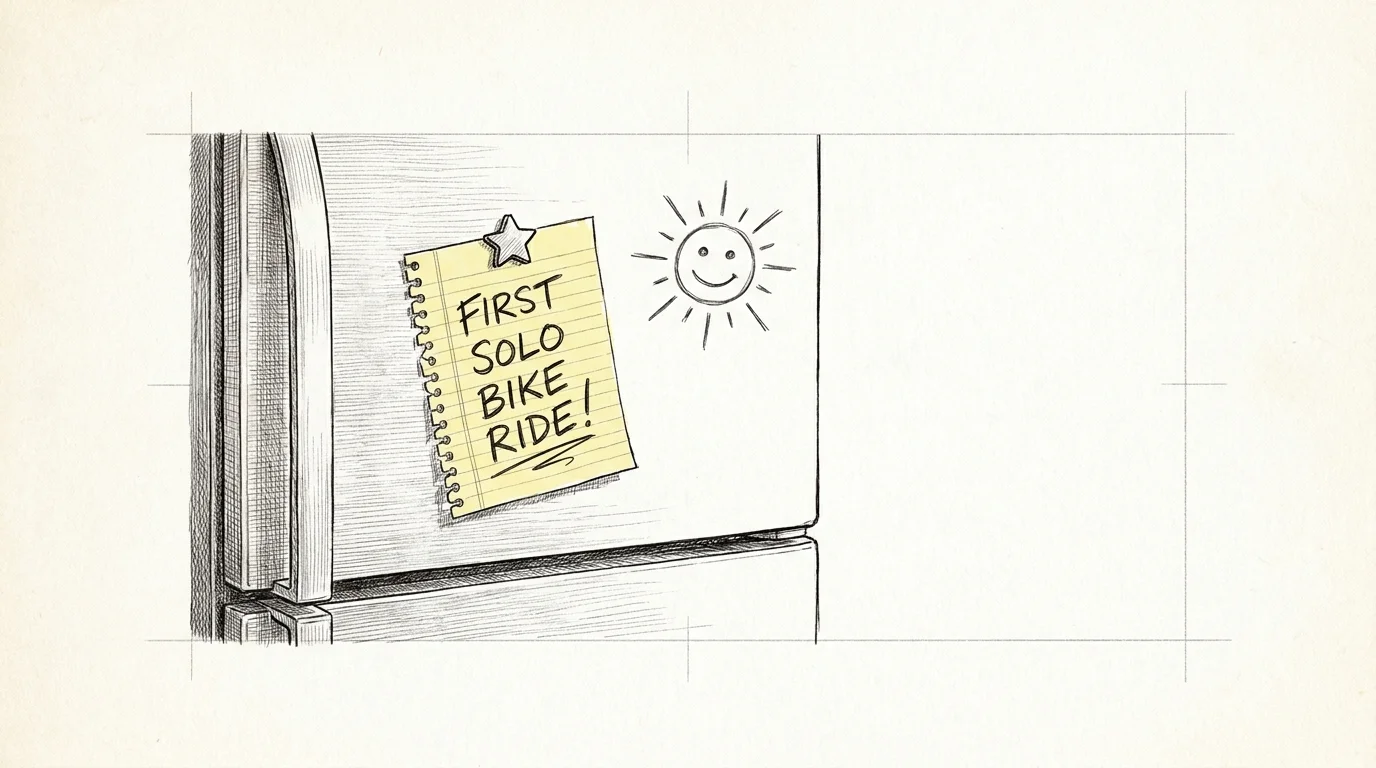
Society conditions us to celebrate major achievements like graduations and birthdays, but celebrating micro-milestones weaves joy into an ordinary week. Create a habit of acknowledging small victories: a child passing a difficult spelling test, a partner completing a tough project, or even the family successfully navigating a stressful morning. You might celebrate by serving dessert first, letting the person of honor choose the evening movie, or keeping a special “celebration plate” that rotates to different family members. These micro-celebrations reinforce the idea that your family is a team that actively roots for one another.

Habit 5: Intergenerational Storytelling
Connecting the present to the past provides your family with a profound sense of continuity. Dedicate time to sharing stories about your extended family, particularly focusing on the childhoods of grandparents and great-grandparents. These narratives serve as a bridge, allowing grandchildren to understand their heritage and the resilience of the people who came before them. When Emory University researchers studied family narratives, they discovered that children who know a great deal about their families tend to have a higher locus of control, higher self-esteem, and a greater belief in their family’s ability to overcome adversity. Tell the stories of your family’s triumphs, but do not shy away from the stories of their struggles; surviving hardship is the ultimate proof of endurance.
Boundary Habits to Protect Your Immediate Circle
You cannot cultivate meaningful family time if your schedule is constantly hijacked by external obligations. Protecting your relationships requires the intentional implementation of firm boundaries.

Habit 6: The United Front Protocol
When external pressures arise—whether from demanding relatives, overzealous school committees, or invasive social media trends—your immediate family must operate as a united front. Develop a habit of consulting with your partner or older children before agreeing to major commitments that impact the household’s free time. By implementing a standard “Let me check our calendar and get back to you” response, you buy yourself the time necessary to evaluate whether an obligation serves your family’s best interests. This habit ensures that your home remains a sanctuary rather than a thoroughfare for other people’s priorities.
Habit 7: The Strategic Decline
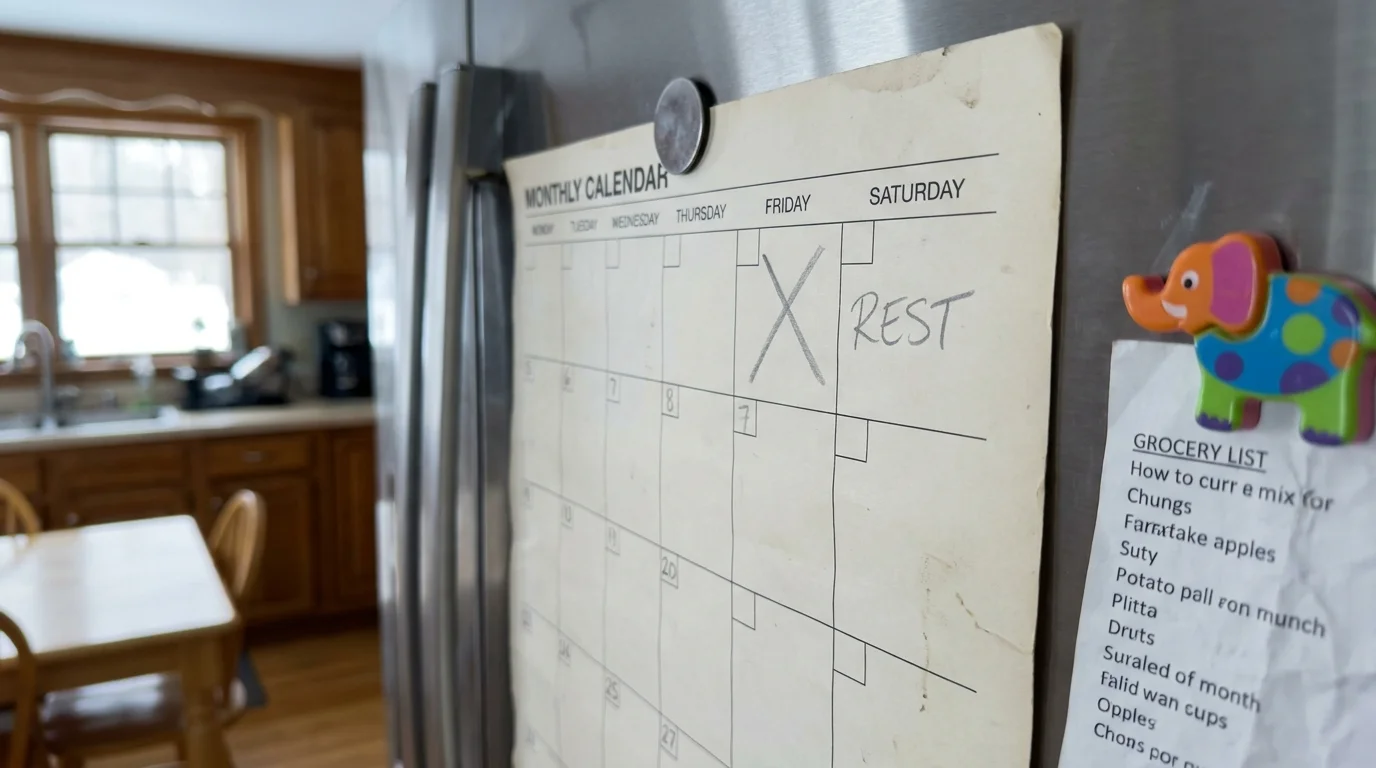
You will inevitably face periods where your family’s schedule becomes unsustainably crowded. Normalizing the “strategic decline” is vital for preserving your collective sanity. Make it a regular habit to review the upcoming month and identify at least one event or obligation that you can cancel or postpone. According to demographic surveys by the Pew Research Center, parents frequently cite feeling rushed as a primary source of modern parenting anxiety. By intentionally clearing space on your calendar, you replace obligation with breathing room, allowing organic, unscripted family time to naturally emerge.

Habit 8: Scheduled Individual Attention
While group activities are essential, group dynamics often allow quieter family members to fade into the background. Counteract this by establishing a habit of scheduled, one-on-one time between parents and individual children. This does not require a lavish outing; a twenty-minute walk around the neighborhood, a trip to the hardware store, or sitting on the porch together is entirely sufficient. These isolated moments remove the competition for attention, creating a safe space for children to share anxieties or thoughts they might withhold in front of their siblings.

Insights from the Field and the Living Room
Family therapists routinely observe that parents place immense pressure on themselves to architect magical moments, often to the detriment of their own mental health. Connection cannot be forced through sheer willpower or expensive excursions. True intimacy is the natural byproduct of feeling seen, heard, and valued consistently over time.
Consider the experience of Sarah, a mother of three who struggled to maintain harmony in a blended household. She realized that her attempts to organize massive weekend outings were resulting in exhaustion and resentment. She decided to pivot, introducing a simple habit of brewing a large pot of decaf tea every night at eight o’clock. There was no mandate to talk about anything profound; the only rule was that anyone who wanted tea had to sit at the kitchen island to drink it. Within weeks, those quiet fifteen minutes became the primary time her teenagers opened up about their social lives and academic anxieties. Sarah learned that providing a reliable, low-pressure environment is far more effective than demanding engagement.
Implementation Lab: Engineering a New Routine
Introducing a new habit to your family—especially if you have older children or teenagers—requires a strategic approach to minimize resistance. If you suddenly announce a mandate for family board game nights, you will likely encounter eye rolls and defensive posture. You must frame the habit as an invitation rather than a demand.
Start by addressing the objective transparently. You might say, “I have been feeling like we are all passing each other in the hallway lately, and I miss just hanging out with you guys. I want to try dedicating Sunday mornings to eating breakfast together, even if it is just bagels.” Acknowledge their schedules and ask for their input on what the routine should look like. Keep the initial implementation incredibly brief; a ten-minute new routine is much easier to swallow than a two-hour commitment. Once the habit is in motion, protect it fiercely but maintain a sense of humor. If the bagels burn or someone spills their coffee, laugh it off. The goal is connection, not a flawless execution of the plan.

Safeguards and Maintaining Healthy Flexibility
While traditions provide stability, you must remain vigilant against allowing them to become rigid or oppressive. As your children mature, their developmental needs will shift, and your family habits must evolve to accommodate those changes. Forcing a teenager to participate in a childhood ritual they have outgrown will breed resentment rather than connection. Healthy families recognize when a tradition has served its purpose and gracefully retire it to make room for new rhythms.
Furthermore, life circumstances—such as divorce, an illness, or a cross-country move—will inevitably disrupt your routines. Give yourself immense grace during these transition periods. It is completely acceptable to pause your habits while you navigate survival mode. If you notice that attempts to connect consistently result in severe conflict, or if underlying behavioral issues are preventing your family from enjoying shared time, it is wise to consult a professional. Reaching out to a counselor through organizations like the American Association for Marriage and Family Therapy can provide you with the tools needed to repair fractured dynamics and rebuild a foundation of trust.
Frequently Asked Questions About Family Traditions
How do we start a new tradition with older teenagers?
Teenagers naturally pull away from the family unit as they establish their independence; this is a healthy developmental milestone. To introduce a new habit, align it with their emerging interests or physical needs. Food is an excellent motivator for teenagers. Suggesting a weekly trip to a new food truck or a late-night ice cream run often bypasses their initial resistance. Frame the habit as a privilege of their maturity rather than a reversion to childhood routines.
What if extended family interferes with our immediate family routines?
You have every right to protect your household’s internal rhythms. If extended family members expect your attendance at events that disrupt your necessary downtime, you must practice clear, compassionate boundary-setting. You can express love and appreciation while still saying no. Try responding with, “We love spending time with you, but Sunday mornings are our dedicated downtime for the kids to recharge before school. We would love to catch up with you on Saturday afternoon instead.”
How do we maintain habits when parents are separated or divorced?
Consistency across two households is beneficial, but it is not strictly necessary for a habit to be effective. Focus entirely on the environment you can control. Create special rituals that belong uniquely to your home, signaling to your children that your space is a secure anchor. If co-parenting dynamics allow, you can coordinate on major milestones, but do not underestimate the profound impact of the quiet traditions you build independently under your own roof.
Do we have to stick to a habit if the kids complain about it?
Distinguish between habitual complaining and genuine distress. Children often grumble about transitioning away from screens to join a family activity, but usually settle in and enjoy themselves after a few minutes. Push through superficial complaints to maintain the routine. However, if a habit consistently ends in tears, severe anxiety, or anger from multiple family members, it is a clear sign that the routine is actively harming your connection. Do not force a broken habit; hold a family meeting to brainstorm a replacement that works for everyone.
The Path Forward
Building a deeply connected family is a lifelong practice of showing up for one another in ordinary moments. You do not need infinite patience or boundless energy to be successful; you only need the willingness to carve out small, intentional spaces in your week. Choose just one of the habits discussed here to implement over the next seven days. Give it time to feel natural, and watch how it subtly shifts the energy in your home. Remember your guiding mantra for this season: presence is always more powerful than perfection, and the memories you are building today will become the foundation of your family’s legacy tomorrow.