Imagine explaining to your grandmother that you recently ended a six-month romantic entanglement because the person you were seeing refused to define the relationship, despite spending every weekend together. Modern romance operates on a completely different frequency today, blending digital convenience with a radical renegotiation of traditional milestones. You navigate an era where therapy language dictates breakup texts and swiping algorithms determine your Friday night plans. Understanding these monumental shifts will help you set firmer boundaries, communicate your authentic needs, and stop feeling alienated by the current dating landscape. Grasping these specific trends empowers you to date with intentionality and confidence in a world that often feels chaotic and overwhelming.
Why the Modern Romantic Landscape Matters
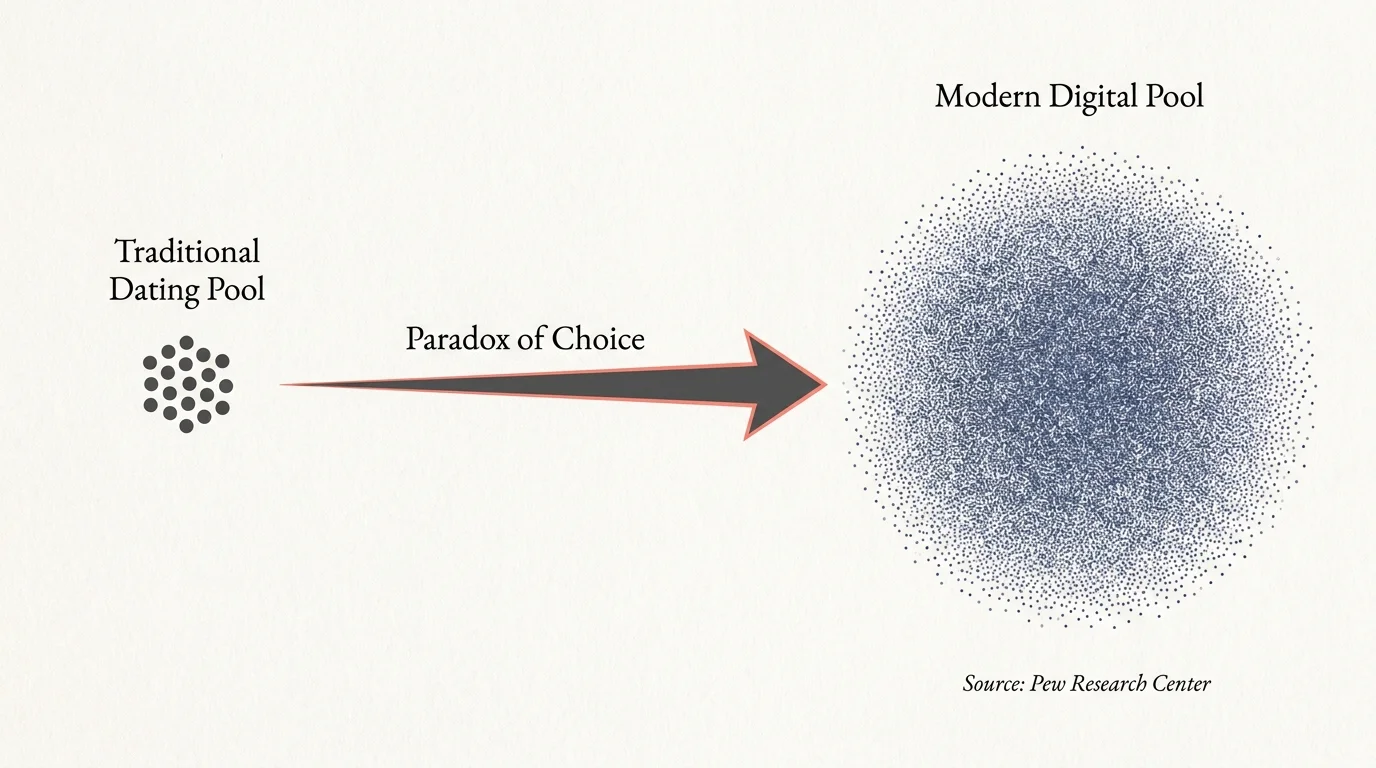
You cannot simply write off these relational shifts as fleeting internet fads. They represent a fundamental rewiring of human connection. The Pew Research Center reports that a massive segment of adults relies on dating apps to meet partners, drastically expanding the dating pool beyond immediate geographic and social circles. This unlimited access creates a paradox of choice; when you can swipe on thousands of profiles, committing to one person often feels fraught with opportunity cost.
Furthermore, economic pressures, shifting gender roles, and a collective focus on mental wellness have fundamentally altered what individuals demand from their partners. You no longer need a relationship merely for financial survival or social acceptability. You seek an emotional equal, a collaborative teammate, and a secure attachment. This high standard is beautiful, but it requires an entirely new toolkit to navigate the inevitable friction. Recognizing these cultural tectonic shifts prevents you from internalizing modern dating struggles as personal failures. The game itself has changed; learning the new rules is your first step toward finding meaningful love.
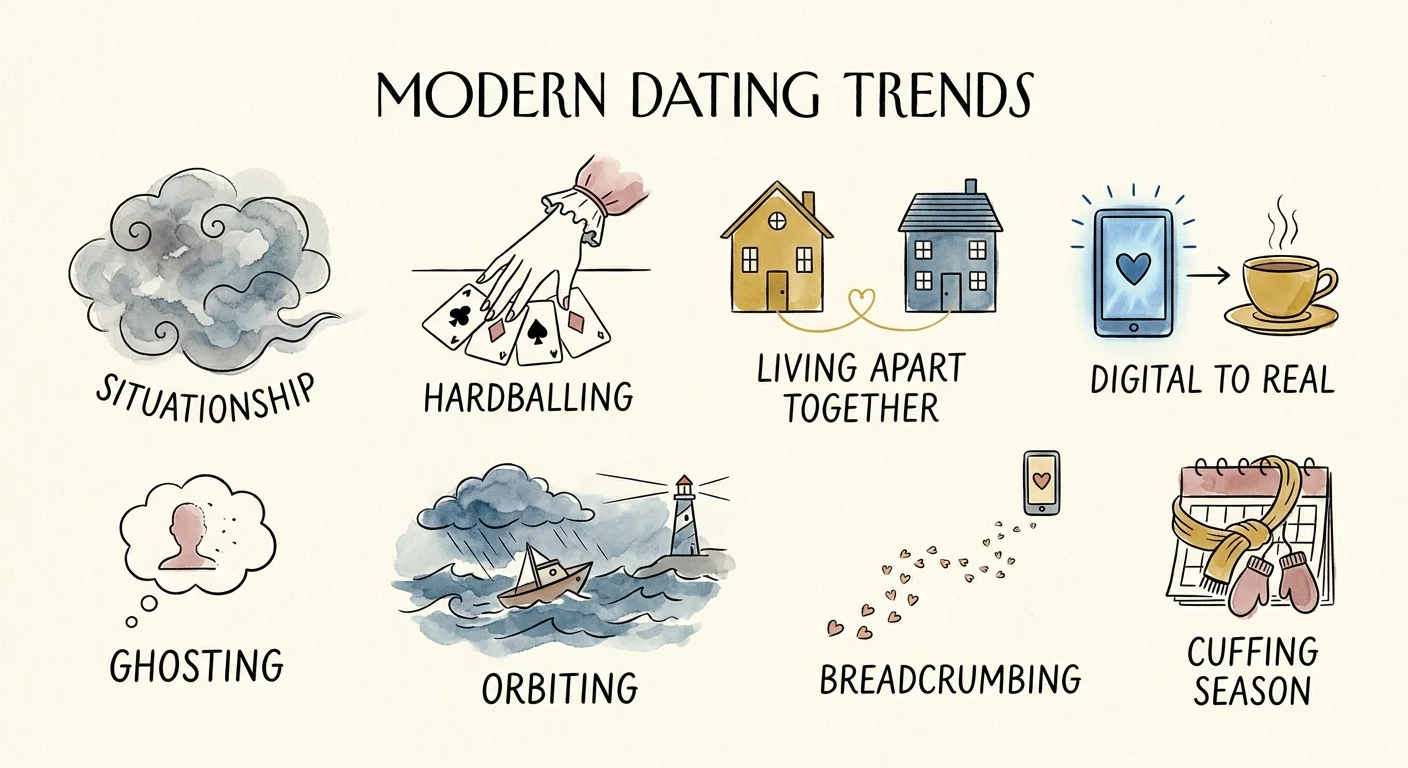
The 8 Trends Reshaping Romance

1. The Rise of the Situationship
Previous generations largely operated on a clear relational escalator: courting, going steady, engagement, and marriage. Today, you will frequently encounter the situationship—an arrangement defined entirely by its lack of definition. You might spend months engaging in deep emotional intimacy and physical connection without ever discussing a formal commitment. This ambiguity often stems from a desire to avoid the pressures of traditional relationships while still reaping the benefits of companionship. However, navigating this gray area requires immense emotional regulation. When you find yourself in a situationship, you must continuously check in with your own needs. If the lack of structure causes you daily anxiety, you have every right to request clarity and protect your peace.
2. Hardballing From the First Date
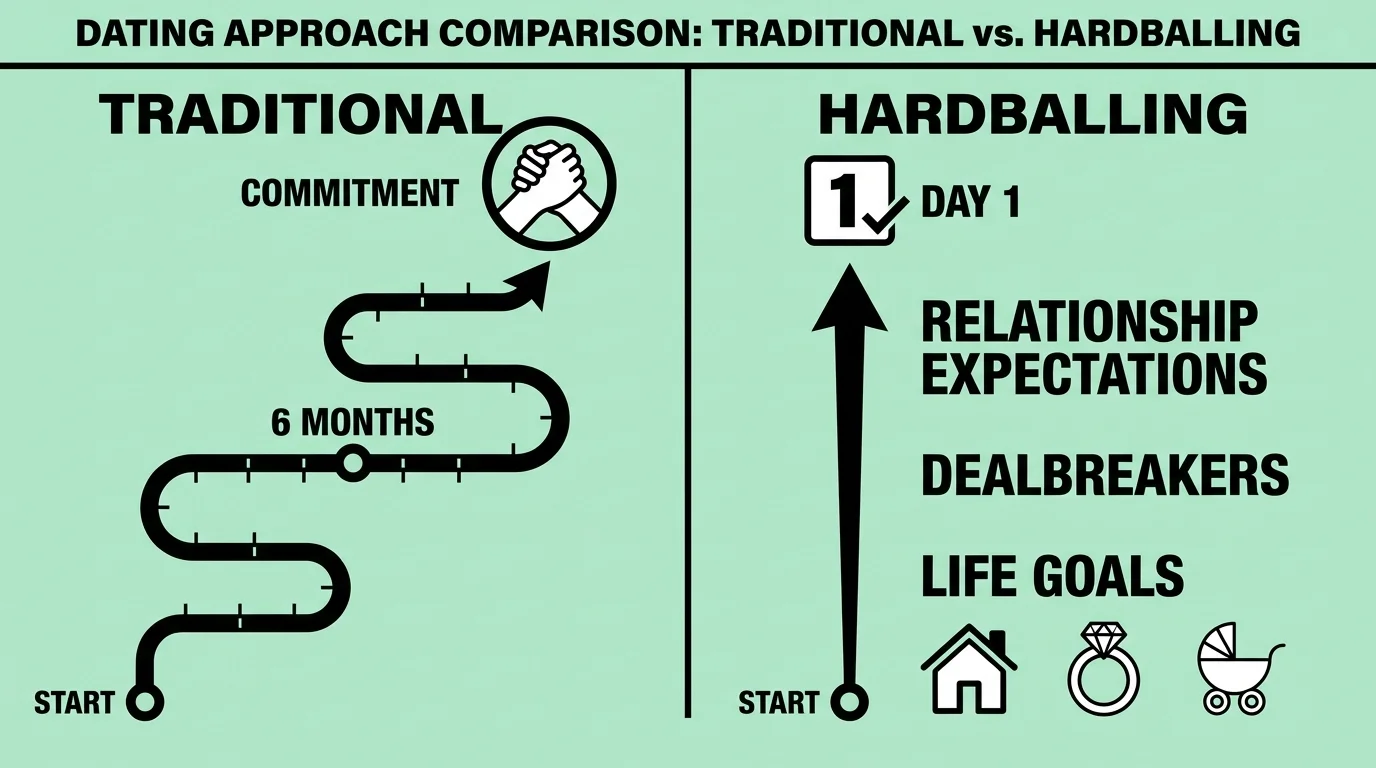
If the situationship is the disease of modern dating ambiguity, hardballing is the aggressive cure. This trend involves stating your exact relationship expectations, dealbreakers, and life goals before or during the very first date. You no longer wait six months to find out if your partner wants children or is open to marriage. Instead, you lay your cards on the table immediately. This approach saves profound amounts of time and emotional energy. When you practice hardballing, you signal to potential partners that you respect yourself enough to walk away from incompatible matches. You might feel intimidated introducing such heavy topics over initial coffees, but asserting your needs upfront actually creates a secure foundation for honest communication.

3. The Mainstreaming of Ethical Non-Monogamy
The default assumption of exclusive monogamy no longer applies across the board. Ethical non-monogamy, encompassing polyamory and open relationships, has moved from the fringes into mainstream dating conversations. You might frequently encounter dating profiles openly stating that individuals already have primary partners but are seeking secondary connections. This shift reflects a growing societal recognition that diverse family structures and relational models can thrive when built on radical transparency and mutual consent. Engaging with this trend—even if you are strictly monogamous—challenges you to articulate exactly what exclusivity means to you rather than just assuming a shared definition.

4. Therapy Speak as a Dating Language
Conversations over dinner frequently sound like clinical psychology lectures. Concepts like attachment styles, gaslighting, love bombing, and boundaries have saturated the modern dating vocabulary. While having basic psychological awareness helps you articulate complex emotional states, the weaponization of therapy speak remains a distinct challenge. You might find partners who use clinical terms to avoid taking accountability for poor behavior, dismissing your valid concerns as anxious attachment or framing their own emotional unavailability as protecting their peace. True emotional intelligence involves demonstrating changed behavior and empathy, not just deploying the correct psychological buzzwords to win an argument.

5. Sober Dating and Dry Meets
The classic narrative of bonding over cocktails at a dimly lit bar is giving way to sober dating. Driven by a broader wellness movement and a desire to reduce alcohol consumption for long-term health, many people now prefer first dates involving coffee, hiking, or wandering through museums. Removing alcohol from the equation forces you to rely on genuine conversation and natural chemistry. If you feel nervous about a dry date, lean into shared activities that provide built-in conversation starters. Engaging in a creative workshop or walking through a botanical garden offers a relaxed environment where you can assess compatibility without the blurring effects of alcohol.
6. Living Apart Together
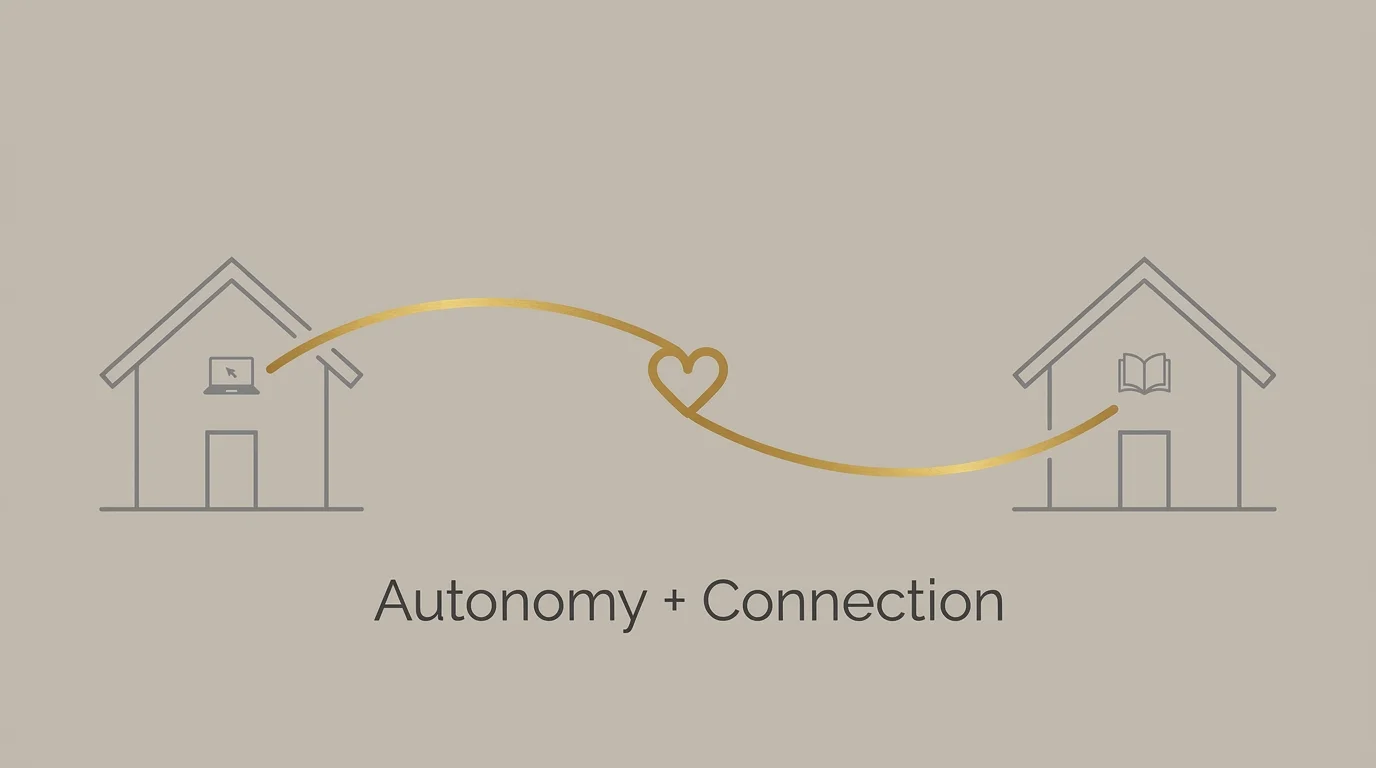
Cohabitation and marriage were once viewed as the ultimate finish line of a successful romance. Now, an increasing number of couples choose the Living Apart Together model. You commit deeply to your partner, share finances, and integrate your lives, yet you intentionally maintain separate residences. This arrangement allows individuals—especially those who value their hard-earned peace or have blended families—to preserve their personal space, routines, and independence while enjoying the profound emotional support of a long-term partnership. It radically redefines commitment, proving that you can build a deeply secure bond without adhering to the traditional domestic script.
7. App Fatigue and Slow Dating
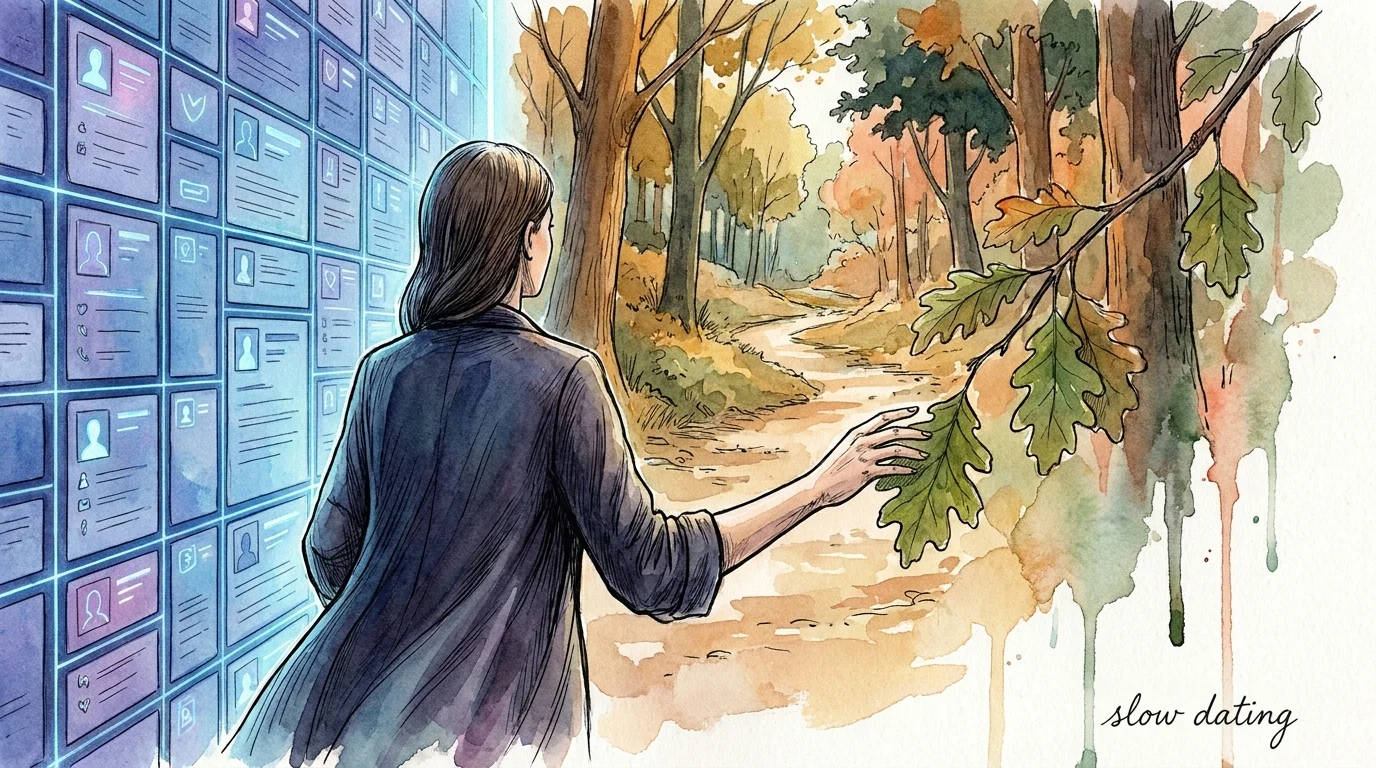
After years of gamified swiping and endless matches, a profound app fatigue has set in across the dating pool, giving rise to the slow dating movement. Instead of treating romantic prospects like a numbers game, you might choose to meet fewer people but invest significantly more time in getting to know them before moving forward. This intentional pacing acts as an antidote to the burnout caused by modern digital romance. By slowing down, you allow trust and genuine affection to build organically; you focus on shared values rather than instantaneous, often superficial, digital sparks.

8. Prioritizing Platonic Life Partnerships
Perhaps the most revolutionary shift involves de-centering romantic love entirely. Many individuals now build their central life structures around platonic friends rather than romantic partners. You might see friends buying property together, co-parenting children, and acting as each other’s primary emergency contacts. This trend elevates friendship to the status of a foundational life partnership, acknowledging that deep, enduring love does not require a sexual or romantic component. It frees you from the pressure of finding the one person to complete your life, allowing you to cultivate a rich village of supportive kinships.
Three Pillars for Navigating Modern Love
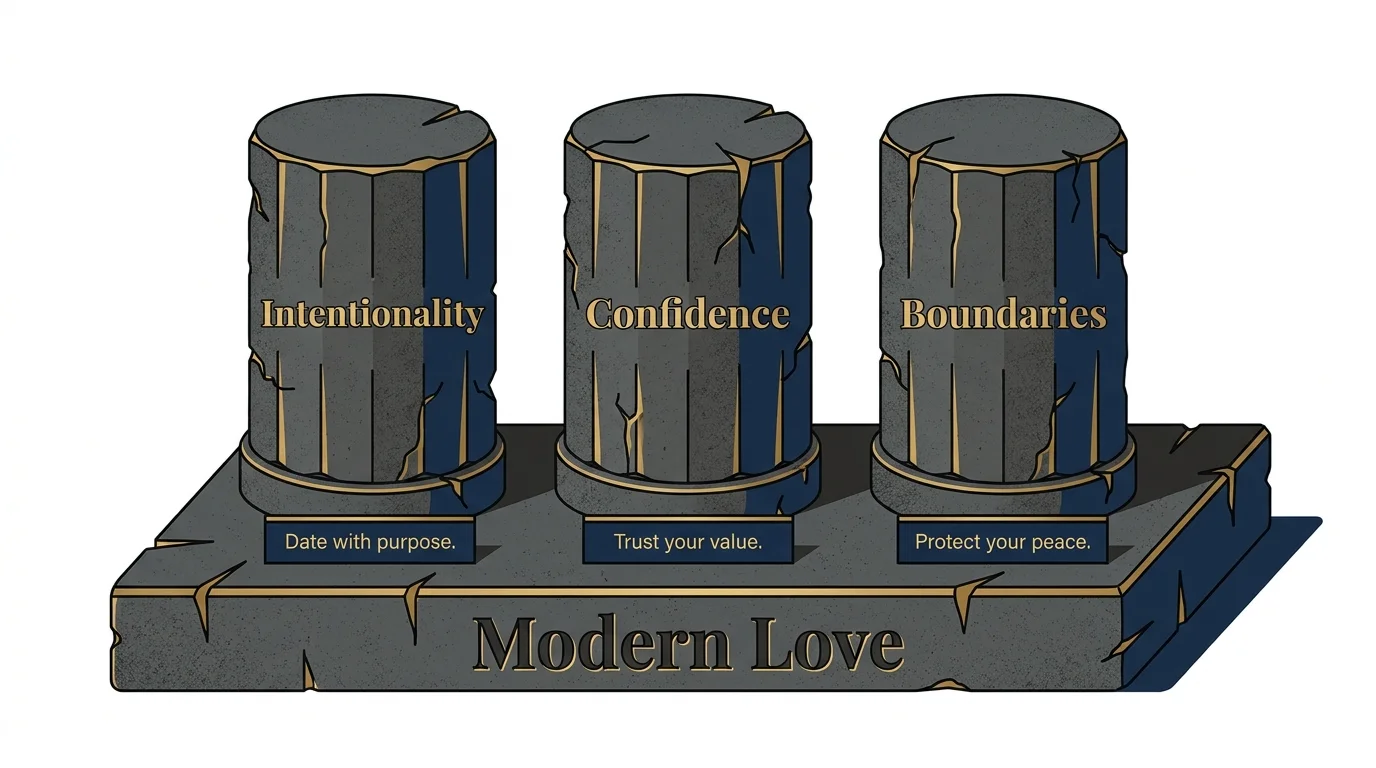
To survive and thrive in this evolved landscape, you need a reliable framework. Relying on outdated advice from well-meaning older relatives often leads to frustration and self-doubt. Instead, ground your dating approach in these three actionable pillars.
First, you must master the art of radical transparency in your communication. Playing games or feigning disinterest belongs in the past. You build trust by clearly stating your desires, whether you seek a casual connection or a lifelong commitment. When you communicate transparently, you act as a filter, swiftly removing individuals who cannot meet your needs and drawing in those who align with your vision.
Second, you need to establish and fiercely protect your personal boundaries. In an era of constant digital accessibility, it is incredibly easy to burn out. You must decide how much time you dedicate to dating apps, how quickly you respond to texts, and what behaviors you absolutely will not tolerate. Setting boundaries is not about building walls; it is about creating a safe perimeter within which your heart can remain open and vulnerable.
Third, prioritize the cultivation of shared rituals. In a world characterized by digital distraction and transient connections, establishing reliable micro-habits builds profound emotional security. Experts at The Gottman Institute emphasize that shared meaning and rituals are essential for long-term relational success. Whether you commit to a weekly Sunday morning coffee walk or a nightly ten-minute conversation with phones in another room, these consistent practices anchor your connection amidst the chaos of modern life.

Voices from the Field
Hearing from those who successfully traverse this terrain provides crucial perspective. Many relationship counselors emphasize that the current generation’s intense focus on mental health makes for healthier long-term partnerships, even if the initial dating phase feels vastly more complex. Therapists frequently note that clients who clearly articulate their emotional boundaries report higher relationship satisfaction than those who simply try to go with the flow to appease a partner.
Consider the experience of a reader we will call Maya. After spending her late twenties bouncing between vague, undefined situationships, she decided to implement the hardballing technique. On her first date with her now-husband, she explicitly stated her intention to marry and start a family within three years. She fully expected him to run; instead, he expressed immense relief that they shared the exact same timeline. By risking rejection, Maya bypassed months of anxiety and found a partner ready to match her intentionality. Her story illustrates that while modern dating requires significant courage, the rewards for authenticity are unparalleled.

Your Implementation Lab: Putting Boundaries into Practice
Theory means little without practical application. You need concrete strategies to translate these insights into your daily life. Let us walk through a specific scenario: defining the relationship when you feel stuck in a comfortable but stagnant situationship.
First, conduct a personal emotional inventory. You must identify exactly what you want before approaching your partner. Do you want exclusivity, a public relationship, or a shared vision for the future? Write these desires down so you remain anchored in your truth.
Next, request a conversation in a neutral, relaxed environment. You might say something like: I have really enjoyed the time we have spent together over these last few months. Because I value what we are building, I need to understand where we are heading. I am looking for a committed, exclusive relationship. Is that something you are open to exploring with me?
Finally, prepare yourself to accept their reality. If they reply with vague promises or state they are not ready, you must honor your own boundaries. You can respond gracefully by saying: I appreciate your honesty. It sounds like we are looking for different things right now, so I am going to step back to focus on finding the type of partnership I need. This script empowers you to leave with your dignity and clarity intact.
Safeguards and Red Flags
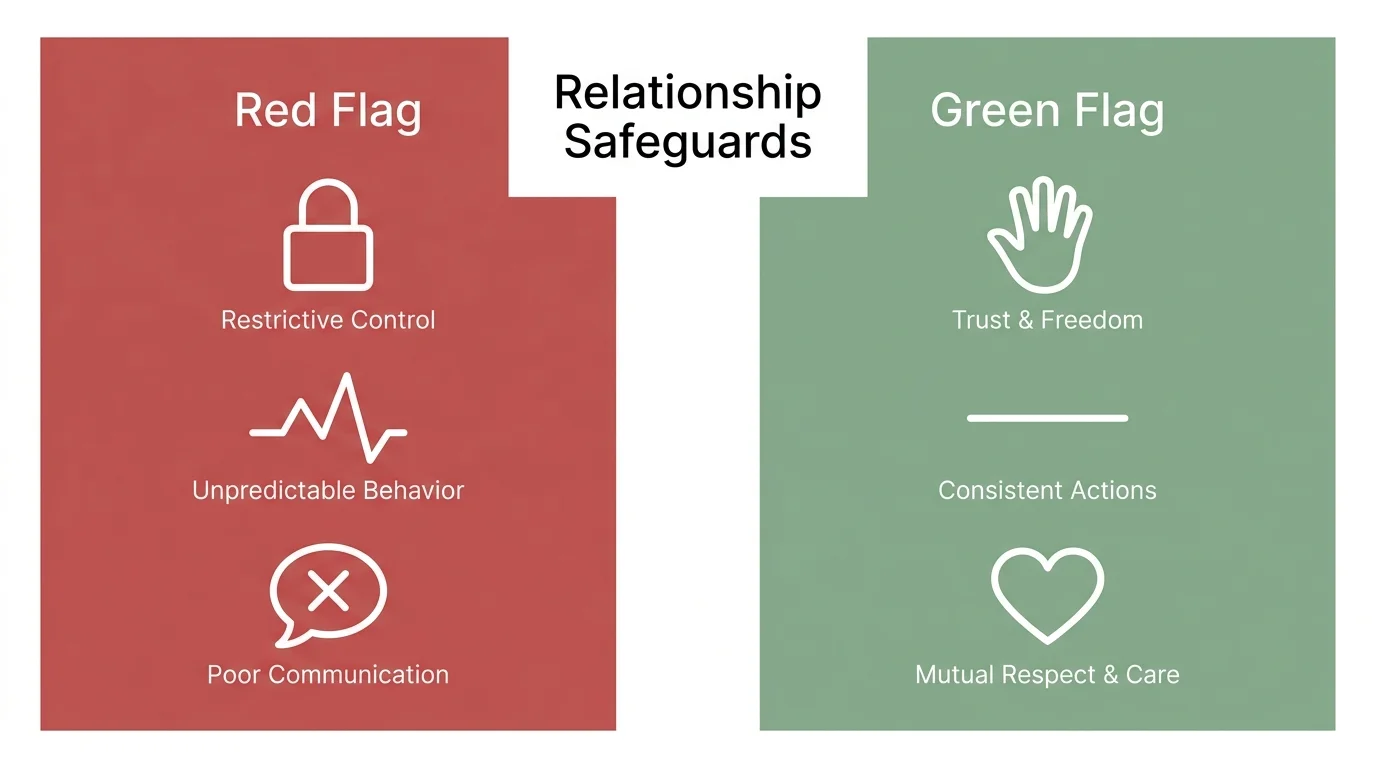
While navigating modern romance, you must remain vigilant about specific emotional safeguards. The accessibility of therapy language has created a unique set of red flags. If a partner uses clinical terms to diagnose you during arguments or constantly shifts blame by claiming you are violating their boundaries simply by asking for basic respect, you are encountering manipulation.
Similarly, be wary of the easygoing mentality when it serves as a permanent excuse to avoid emotional accountability. A healthy partner will flow with you, but they will also help you paddle when the water gets rough. If you find yourself chronically anxious, questioning your worth, or compromising your core values to maintain a connection, it is time to reassess your involvement. Do not hesitate to seek guidance from licensed professionals; organizations like the American Association for Marriage and Family Therapy can connect you with counselors who specialize in navigating modern relationship dynamics. Protecting your mental health is always your primary responsibility.
Frequently Asked Questions
How do I explain my non-traditional dating choices to older family members?
You do not owe anyone a comprehensive defense of your personal life. However, when speaking with well-meaning relatives, focus on the underlying values rather than the modern terminology. Instead of explaining ethical non-monogamy or hardballing, you can simply say that you are taking a highly intentional approach to find a partnership that aligns with your long-term goals. Firmly but kindly change the subject if their curiosity turns into criticism.
What should I do if I realize I am stuck in a situationship?
The first step is radical self-honesty; you must acknowledge that the current dynamic is no longer serving your emotional well-being. You must then initiate a direct conversation about your needs. If the other person cannot offer the commitment you desire, you have to be willing to walk away. Staying in a comfortable but unfulfilling arrangement actively prevents you from finding a partner who enthusiastically chooses you.
Is it too demanding to state my relationship goals on a first date?
It is never demanding to seek clarity. While you do not need to plan your wedding on a first date, stating that you are ultimately looking for a serious relationship saves time for both parties. Framing your goals as personal intentions rather than immediate demands on the person sitting across from you demonstrates confidence and high self-worth.
How can I manage burnout from dating apps?
You must treat dating apps as a simple tool, not a mandatory lifestyle. Implement strict boundaries around your digital usage; for example, you might only check your matches for twenty minutes each evening. If the swiping process begins to impact your self-esteem or feels like a second job, completely delete the applications for a month. Reinvest that vital energy into your hobbies, friendships, and physical well-being.
Embracing Your Romantic Journey
The landscape of love has undeniably shifted, presenting you with challenges that previous generations never had to consider. Yet, this evolution also offers you unprecedented freedom to design a romantic life that authentically fits your desires. You are no longer bound by rigid societal timelines or restrictive relationship templates. As you step forward into your dating life this week, hold onto this simple truth: you are worthy of a connection that brings you peace, respects your boundaries, and celebrates your authentic self. Approach the dating world not as a battlefield, but as a journey of profound self-discovery. Keep your heart open, trust your intuition, and remember that you hold the power to write your own unique love story.