
Cultivating a thriving adult relationship with your brothers and sisters provides a profound emotional anchor as you navigate the complexities of grown-up life. You can transform childhood proximity into intentional lifelong closeness by establishing predictable, low-pressure connection habits that fit seamlessly into busy schedules. You likely remember the effortless bond of sharing a bathroom or a dinner table, but maintaining that same intimacy now requires deliberate effort rather than mere geographical luck. Sibling relationships endure longer than almost any other human connection, witnessing your evolution from early childhood through the twilight years. Investing in these unique bonds yields unparalleled mutual support, ensuring you always have a witness to your personal history and an ally for your future.

The Lifelong Impact Of Intentional Sibling Bonds
Sibling dynamics undergo a massive architectural shift the moment you pack up and leave your childhood home. As you scatter across different cities, plunge into demanding careers, and build your own distinct romantic partnerships, the built-in convenience of daily geographic proximity vanishes entirely. You must consciously replace passive co-existence with active, chosen participation; relying solely on chaotic holiday gatherings will ultimately leave your relationship feeling strained and superficial.
Extensive peer-reviewed psychological studies consistently demonstrate that adults who maintain supportive sibling connections report significantly lower levels of depression, heightened resilience during personal crises, and greater overall life satisfaction in their later years. Your sibling serves as the only person who holds the exact same foundational memories as you do; they inherently understand the nuanced subtext, unspoken rules, and specific humor of your family’s particular culture. Losing that shared shorthand can leave you feeling subtly unmoored during major life transitions. Recognizing this lifelong relationship as a critical psychological asset—rather than a mere biological obligation—shifts your entire mindset toward proactive, joyful investment.

Foundational Pillars For Rebuilding Adult Connections
Before you attempt to implement new traditions, you must fundamentally reset the operational framework of your relationship. Childhood naturally assigns rigid familial roles—the highly responsible eldest, the deeply rebellious middle child, the heavily babied youngest—but adult friendships require absolute egalitarian footing. You cannot build genuine closeness if you remain trapped in historical versions of yourselves.

Evolving Your Communication Style
You must actively dismantle outdated family hierarchies to build authentic mutual respect. Speaking to your younger sibling as if they are still a naive teenager guarantees immediate resentment and eventual emotional distancing. Practice engaging with them exactly as you would a respected professional colleague or a deeply cherished friend. Ask genuine questions about their worldview, validate their unique lived experiences even when they differ from yours, and completely eliminate unsolicited advice from your conversational repertoire. Offering supportive listening without rushing to fix their problems establishes a powerful bedrock of psychological safety.

Establishing Protective Boundaries
Intimacy thrives beautifully when personal boundaries are clearly articulated and fiercely protected. You need to respect the absolute sovereignty of their new nuclear family; this means fully understanding that their spouse, their children, and their individual career ambitions will rightfully claim the vast majority of their time and emotional energy. Avoid weaponizing guilt when they decline an invitation or take three days to return a casual text message. Assume positive intent instead of immediately defaulting to a narrative of rejection, and grant them the grace to navigate their own overwhelming adult responsibilities.

Intentional Traditions For Modern Schedules
Consistency creates emotional security. Decades of clinical relationship research emphasizes that creating shared meaning through predictable, recurring rituals builds a remarkably sturdy foundation for any lasting human connection. You do not need grand gestures; you need reliable touchpoints. Here are seven deeply actionable traditions you can easily adapt to fit your family’s unique circumstances.

The Asynchronous Audio Journal
Coordinating a live phone call across three different time zones often feels like an impossible logistical puzzle that ultimately ends in frustration. You can bypass this scheduling hurdle entirely by adopting the habit of asynchronous audio messaging. Leaving a thoughtful five-minute voice note while you commute to work or walk your dog allows you to share the mundane, beautiful details of your week with full emotional inflection. Your sibling can listen and reply later that evening while they fold laundry or cook dinner. This low-pressure exchange beautifully preserves the intimacy of hearing each other’s voices without the burdensome demand of real-time availability.

The Annual Micro-Sabbatical
Leaving your overwhelming daily responsibilities behind for a dedicated, sibling-only getaway dramatically accelerates reconnection. You absolutely do not need an extravagant budget or a stamped passport to achieve this powerful dynamic shift; a simple twenty-four-hour retreat at a local rental cabin or a shared hotel room midway between your respective cities works perfectly. Deliberately removing the comfortable buffer of spouses, young children, and aging parents forces you to engage directly and authentically with each other. You create a wealth of new, isolated memories that belong solely to your adult dynamic rather than rehashing old family lore.

The Nostalgia Recipe Exchange
Sensory experiences possess a remarkably potent ability to instantly transport you back to shared childhood moments. Choose one specific evening every few months to cook the exact same significant family recipe simultaneously in your respective kitchens. Whether you ambitiously attempt to recreate your grandmother’s highly complicated holiday lasagna or ironically prepare the cheap frozen appetizers you both survived on during high school, the synchronized physical activity creates a profound sense of unity. You can text photos of your culinary successes—or hilarious failures—and enjoy the exact same comforting flavors while sitting miles apart.
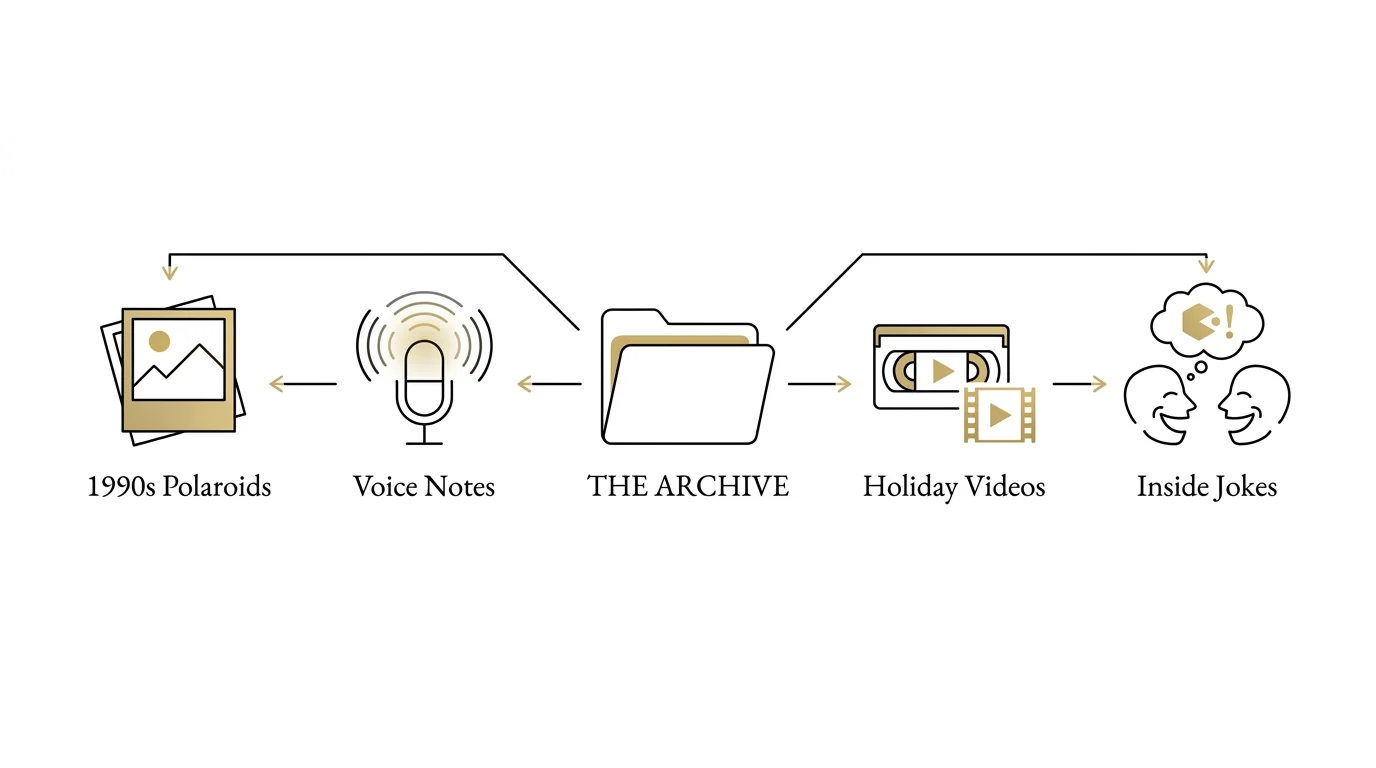
A Dedicated Digital Archive
Endless, chaotic family group chats frequently bury meaningful photographs beneath mundane grocery lists and tense holiday scheduling debates. Establish a dedicated digital photo album specifically reserved for just you and your sibling. You can populate this shared, private space with current life updates, random aesthetic observations, snapshots of your pets, or scanned throwback photographs from the nineteen-nineties. This carefully curated visual diary serves as a quiet, continuous thread of connection; you can mindlessly scroll through it on exceptionally difficult days to instantly remind yourself of your deeply rooted shared history.

The Mundane Co-Working Session
Deep intimacy is frequently built in the quiet, completely unglamorous spaces between significant life events. You can strategically harness this concept by scheduling a recurring monthly video call dedicated entirely to tackling boring life administration. Set up your laptop on the kitchen counter while you aggressively meal prep, fold a mountain of laundry, or pay your taxes, and invite your sibling to do exactly the same. This clinical concept—frequently referred to as body doubling—provides highly effective mutual accountability while facilitating the natural, rambling conversations that only occur when your hands are busy and the pressure to entertain each other is completely removed.

The Singular Media Micro-Club
Conversations easily stagnate when you only ever ask generic, surface-level questions about work stress or the local weather. Selecting one specific book, culturally relevant documentary, or engaging podcast series to consume concurrently gives you a robust, external anchor for rich dialogue. You do not need to tackle heavy, demanding literature; reviewing a highly dramatic reality television episode or dissecting a fascinating true-crime podcast provides a completely safe, neutral territory. It allows you to explore each other’s evolving adult worldviews and complex ethical boundaries without accidentally triggering personal defensiveness.
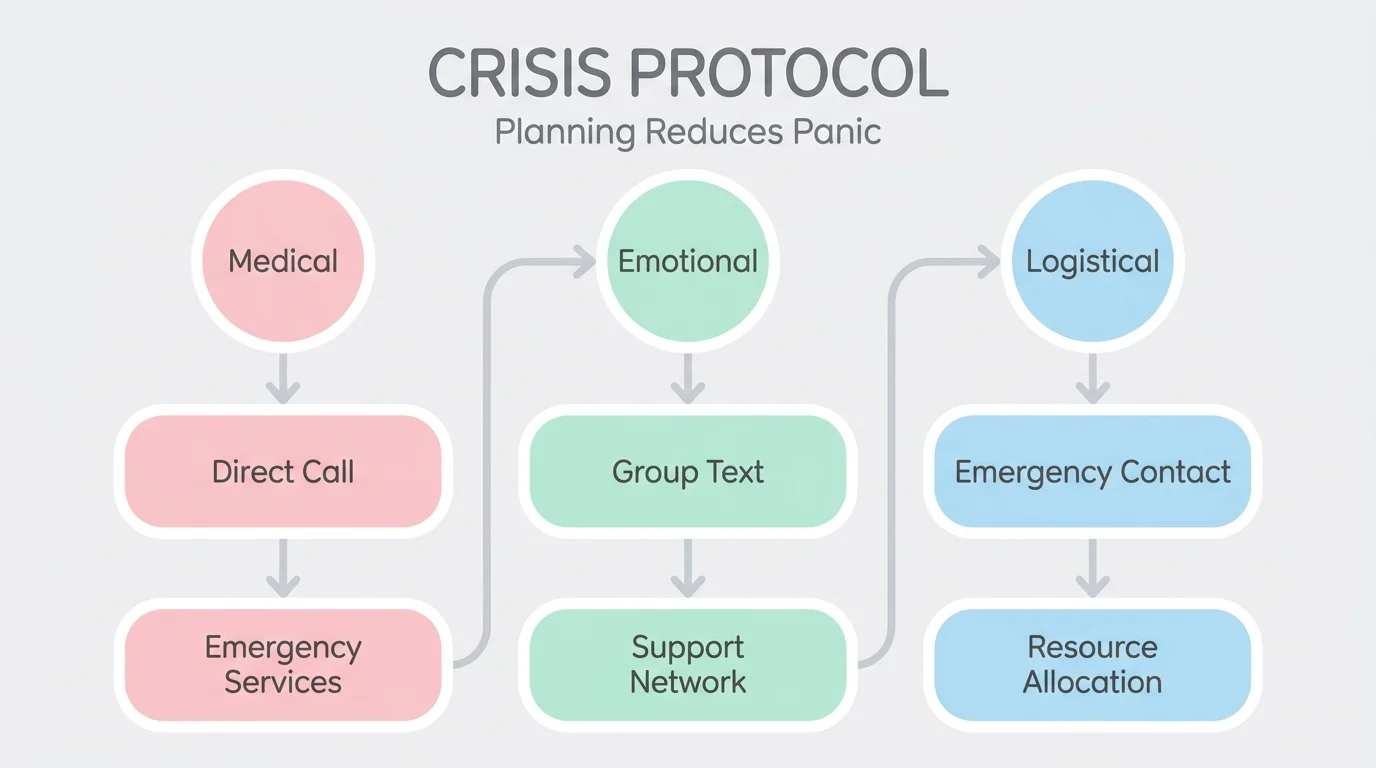
The Pre-Negotiated Crisis Protocol
True sibling solidarity requires knowing exactly how to show up when life inevitably becomes unimaginably difficult. Have a clear, completely sober conversation about how you each prefer to receive support during periods of intense grief, sudden illness, or severe professional stress. One sibling might deeply appreciate daily check-in texts and random food deliveries, while another might desperately need total physical space and practical childcare assistance to survive the week. Documenting these specific preferences well in advance completely eliminates the paralyzing guesswork of crisis management, ensuring you can step in seamlessly when they need you the most.

Real Perspectives And Psychological Insights
Understanding the broader academic framework of family systems genuinely helps validate the friction you might be experiencing right now. Extensive demographic polling data paired with longitudinal family sociology research strongly highlights how adult sibling relationships naturally ebb and flow through highly distinct seasons of intense closeness and necessary distance. You should fully expect your connection to require constant, gentle recalibration as you both age.
Consider the lived experience of a reader named Clara, who spent the entirety of her twenties physically and emotionally estranged from her older brother. They operated on entirely different life timelines—she was building a corporate career while he navigated early parenthood—which fostered a quiet, mutual resentment. Clara eventually realized they were both stubbornly waiting for organic closeness to magically appear out of thin air. She initiated the mundane co-working session, nervously asking him to stay on a video call while they both organized their respective messy garages. By intentionally removing the intense pressure of forced eye contact and heavy emotional dialogue, they found an easy, joking rhythm. Six months later, they had successfully mapped out a beautifully renewed friendship built entirely on their current adult identities.
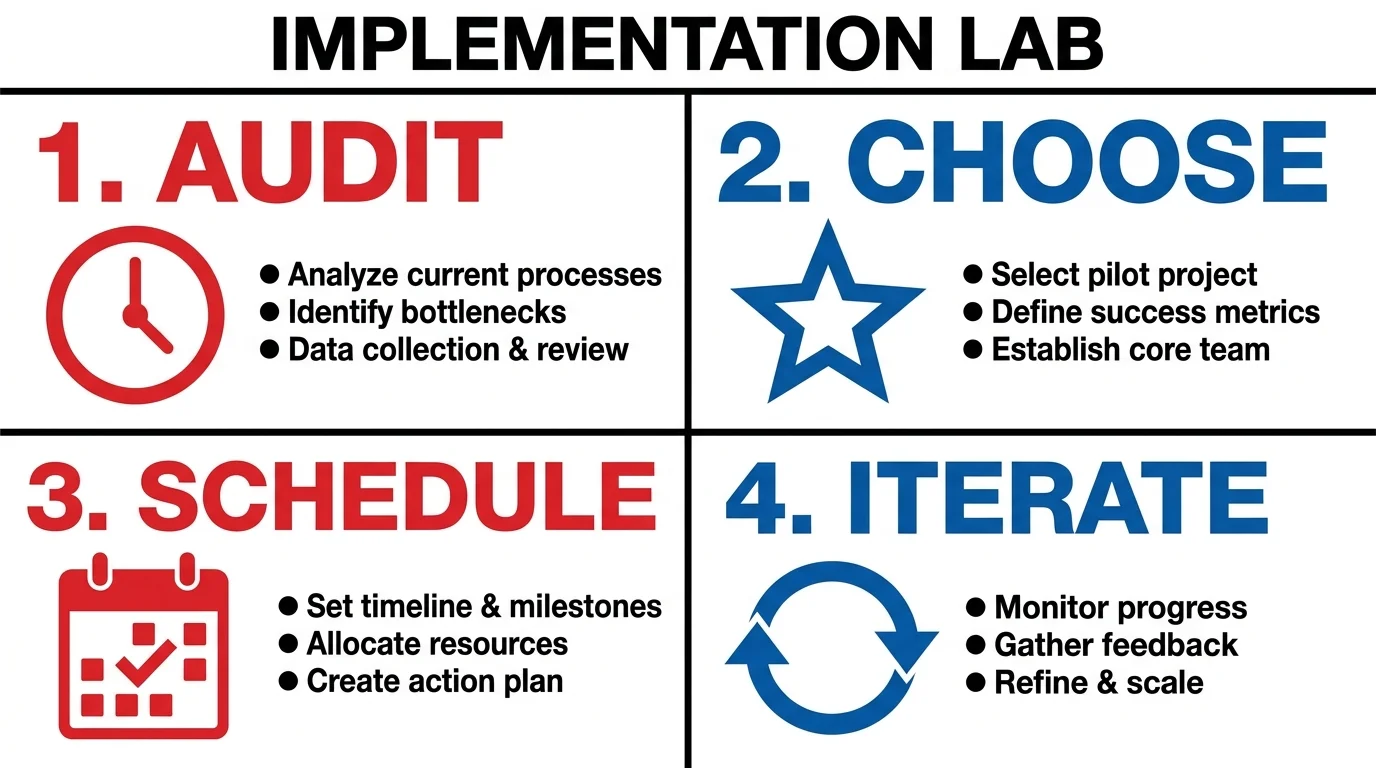
Implementation Lab: Engineering Your First Tradition
Passively reading about family rituals yields absolutely no tangible results unless you take the slightly terrifying step of actual initiation. You must approach this fragile process with incredibly low stakes and exceptionally high flexibility.
Start by honestly auditing your current communication habits and identifying the path of absolute least resistance. If your sister notoriously hates texting and leaves her phone on silent, do not forcefully pitch a daily, demanding group chat. Next, craft a highly specific, time-bound invitation that explicitly gives them an easy, guilt-free exit strategy. Send your message on a relaxed Sunday afternoon rather than a frantic Monday morning. You might type: “Hey, I feel like we only ever catch up at stressful holiday dinners, and I really want to hear more about your everyday life right now. Would you be open to exchanging a quick five-minute voice note on Tuesday mornings for the next month just to see if we actually like it?”
If they respectfully decline, entirely forget to respond, or fail to follow through, you must carefully manage your own emotional reactivity. Their immediate lack of capacity is rarely a direct personal indictment of your worth; they might simply be surviving a brutally exhausting season of parenting, managing a health crisis, or navigating intense career burnout. Leave the emotional door wide open, significantly scale back your personal expectations, and gently try a much lower-effort connection strategy a few months down the road.

Relationship Safeguards And Healthy Boundaries
While fostering deep closeness remains the ultimate goal, sharing genetics absolutely does not obligate you to silently endure ongoing emotional abuse, chronic manipulation, or severe disrespect. You must fiercely protect your psychological well-being and the peace of your immediate household above all else.
If your sibling consistently drains your emotional energy, cruelly belittles your life choices, or repeatedly violates your clearly stated boundaries, you have full psychological permission to immediately step back. The grey rock method—deliberately responding with incredibly neutral, profoundly uninteresting answers to avoid fueling their toxic drama—can highly effectively manage unavoidable interactions at mandatory family gatherings. Do not hesitate to utilize a network of certified mental health professionals to find a therapist who can help you safely navigate the profound, complicated grief that often accompanies distancing yourself from a toxic family member. True, lasting connection requires two fully willing, emotionally safe participants; you simply cannot single-handedly fix a profoundly broken dynamic.
Frequently Asked Questions
How do I reconnect with a sibling after years of drifting apart?
You must bravely acknowledge the massive gap in your shared history without aggressively assigning any blame. Reach out with a warm, exceptionally low-pressure message taking full ownership of the distance, stating clearly that you genuinely miss their presence in your daily life. Offer a specific, incredibly small olive branch—such as a quick fifteen-minute coffee date or a brief phone call on their commute—and then patiently allow them to completely dictate the pace and depth of the reconciliation.
What if my sibling is resistant to starting a new tradition?
You need to focus entirely on the actions you can actually control. If they flatly reject a structured, demanding ritual, immediately pivot to random acts of extremely low-effort connection. Send them a highly relatable, funny meme, mail a physical postcard to their house, or unexpectedly drop off their favorite coffee at their workplace without demanding an extensive, deep conversation in return. Steady, warm consistency over time very often softens even the most stubborn resistance.
How can we maintain closeness when we live in completely different time zones?
You should rely heavily on asynchronous communication methods to bridge the massive logistical gap. Voice notes, actively shared digital photo albums, and collaborative music playlists allow you to interact deeply and meaningfully without ever needing to aggressively align your biological clocks. When you do finally schedule live video calls, protect that blocked time fiercely and treat it with the exact same level of unwavering respect you would give to a critical professional meeting.
Is it normal to feel intensely jealous of my sibling’s adult life or achievements?
Experiencing sharp envy toward a sibling is a remarkably common psychological phenomenon deeply rooted in early childhood resource competition. You must acknowledge the uncomfortable feeling privately without drowning in shame, but absolutely do not let it dictate your outward behavior toward them. Use those difficult feelings as a highly effective diagnostic tool to understand your own unmet personal needs, and deliberately practice celebrating their victories out loud until the shared joy finally feels completely genuine.
Moving Forward With Renewed Purpose
You hold the incredible power to completely rewrite the ongoing narrative of your sibling relationship starting today. While you absolutely cannot change the bitter conflicts or painful distances of your shared past, you can expertly engineer a deeply supportive, predictably joyful future together. Building this enduring connection requires deep vulnerability, immense patience, and a brave willingness to be the first one to reach out. Start remarkably small this week—send that one thoughtful text message, record that single funny voice note, or share that highly nostalgic childhood photograph. You are not just organizing your weekly calendar; you are actively preserving your irreplaceable personal history and boldly investing in the absolute longest-lasting friendship of your entire life.