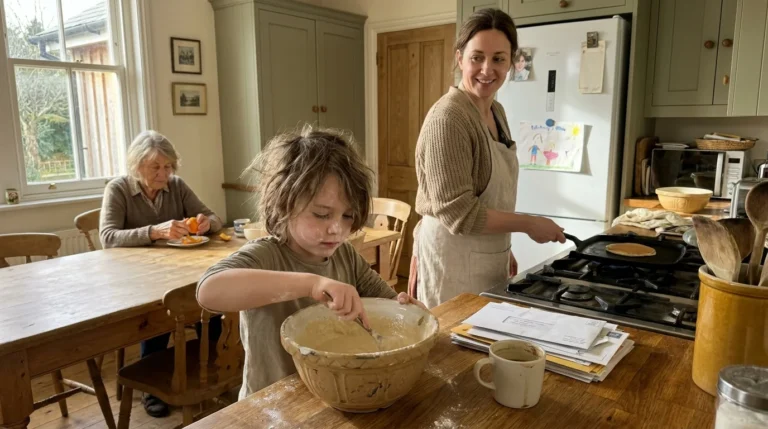
Your family possesses hidden resilience that often goes unnoticed amid the chaos of daily life, and recognizing these subtle strengths will transform how you navigate domestic stress. When the sink is full of dishes and an argument over schedules inevitably erupts, it becomes remarkably easy to focus entirely on the cracks in your foundation. We often measure our family bonds by an impossible standard of continuous harmony rather than our capacity to repair after a rupture. However, true emotional connection thrives in messy realities rather than curated perfection. By understanding the underlying markers of deep familial stability, you can replace chronic worry with a grounded confidence in your household.
Why Measuring Family Strength Matters Now More Than Ever
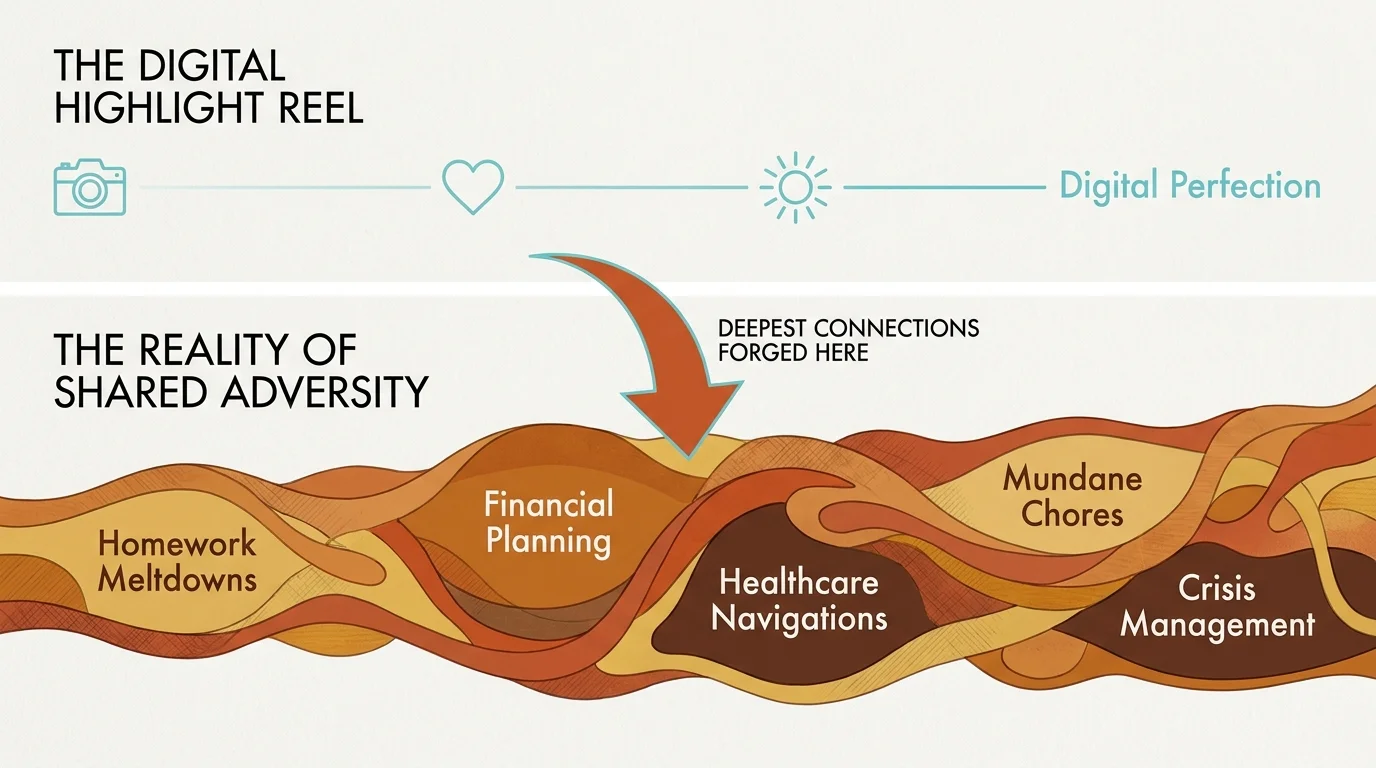
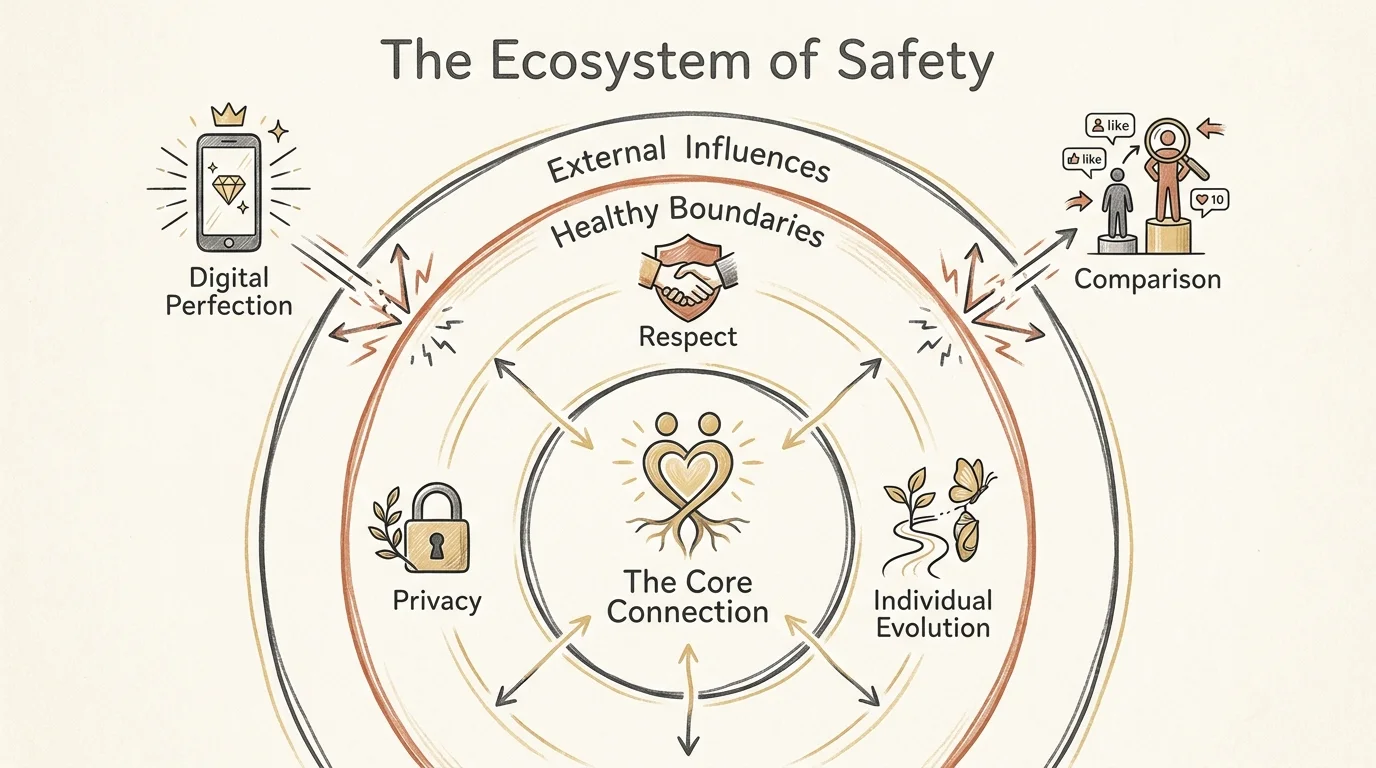
We live in an era where domestic perfection is broadcasted incessantly across digital platforms, leading you to evaluate your own home against highly edited highlight reels. When you only see other families matching in coordinating outfits on pristine vacations, your everyday realities—navigating homework meltdowns, financial planning, and mundane chores—feel like failures. However, sociological data tracking modern households reveals that families actually forge their deepest connections during periods of shared adversity rather than moments of engineered joy.
Stress fractures naturally occur in any group of people living under one roof. When you recognize the psychological markers of family love, you stop viewing everyday friction as a sign of terminal dysfunction. You learn to trust your dynamic. Acknowledging your collective resilience lowers your personal cortisol levels, allowing you to parent, partner, and relate from a place of security rather than a state of chronic anxiety. You shift your focus from eliminating conflict to mastering the art of recovery.
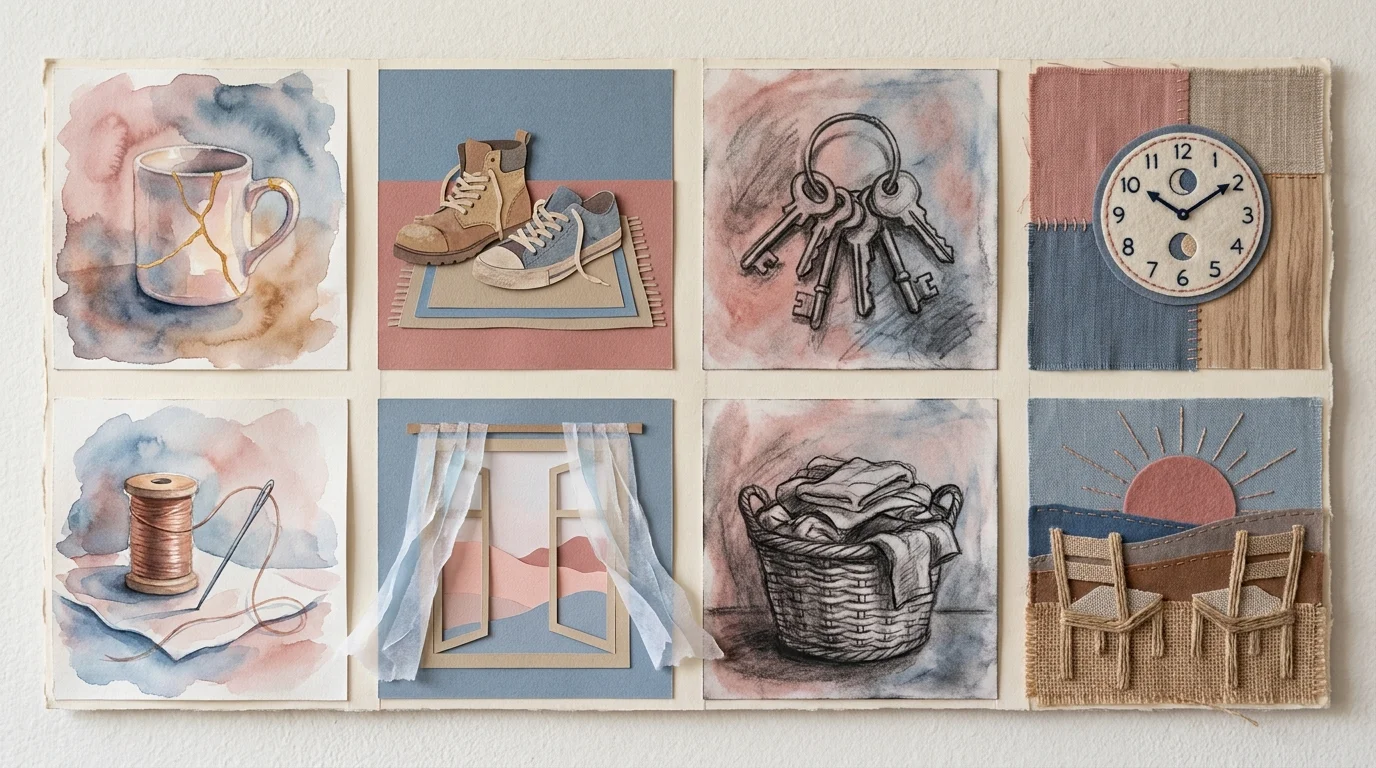
The 8 Subtle Signs of Relational Strength
Sign 1: You Argue Without Destroying the Foundation
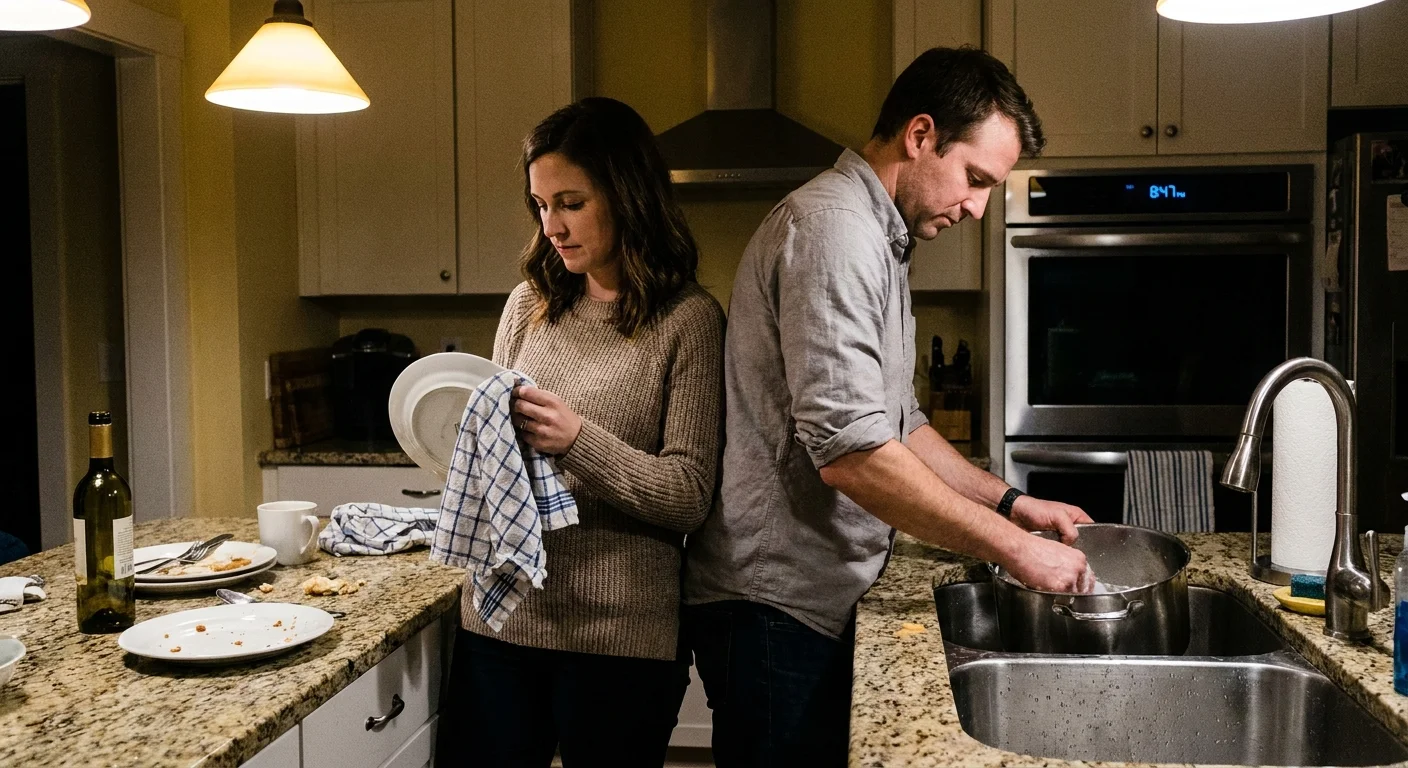
Many people mistakenly believe that strong families never fight. In reality, avoiding conflict entirely often signals emotional detachment rather than emotional connection. When your family possesses genuine strength, you disagree—sometimes loudly—but you do so without attacking core identities. You complain about specific behaviors rather than criticizing someone’s character. You might argue passionately about who left the front door unlocked, but you do not threaten the security of the relationship itself. Extensive research on conflict repair demonstrates that the healthiest couples and families embed de-escalation tactics directly into their arguments, pulling back before frustration mutates into lasting contempt.
Sign 2: You Allow Space for Individual Evolution
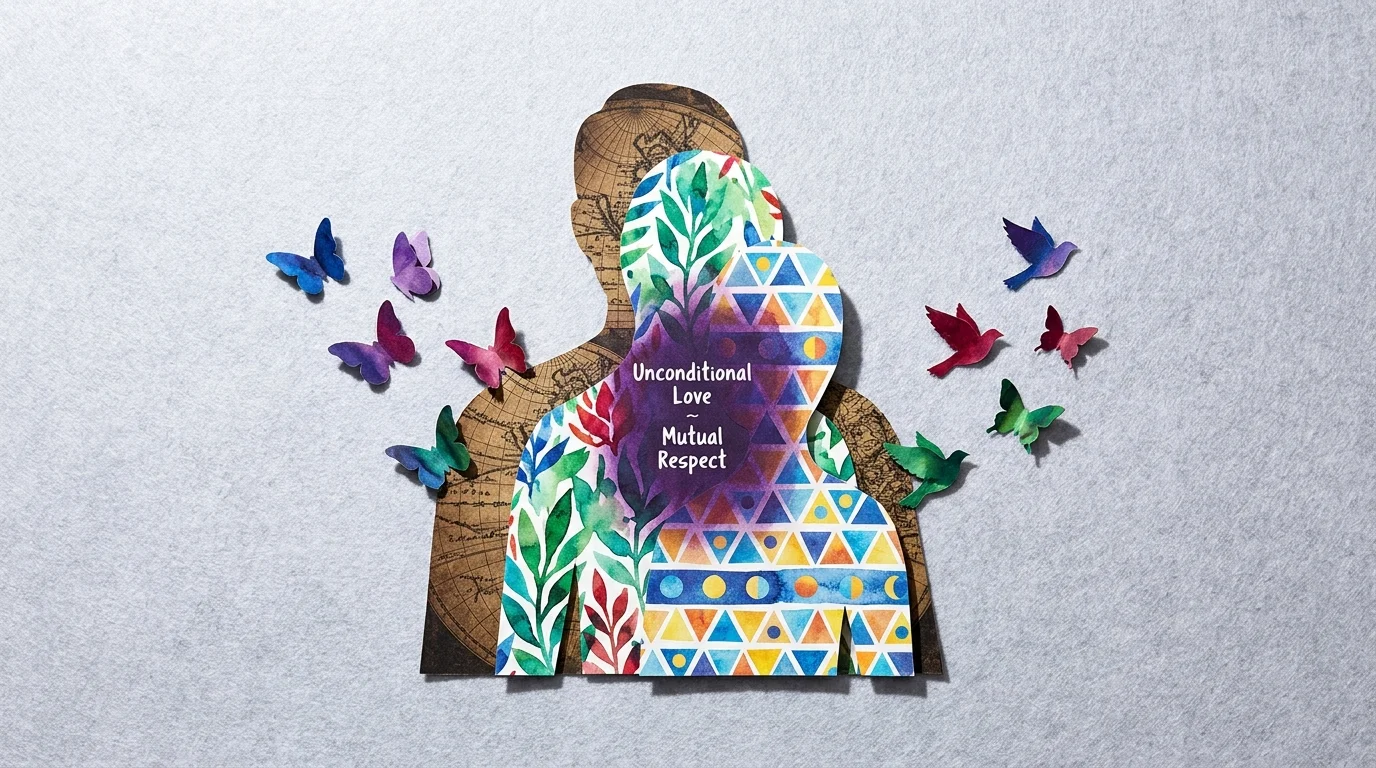
Strong family bonds stretch to accommodate personal growth. If you and your family members feel free to adopt new hobbies, change career paths, or express shifting personal beliefs without facing alienation, you operate within a highly secure system. Weaker family dynamics demand rigid conformity, forcing members to suppress their evolving identities to keep the peace. When you celebrate a teenager discovering a radically new fashion sense or support a partner pivoting to a different industry, you demonstrate that your love remains unconditional. You prove that your connection relies on mutual respect rather than a strict adherence to the status quo.
Sign 3: You Share Unspoken Domestic Rhythms
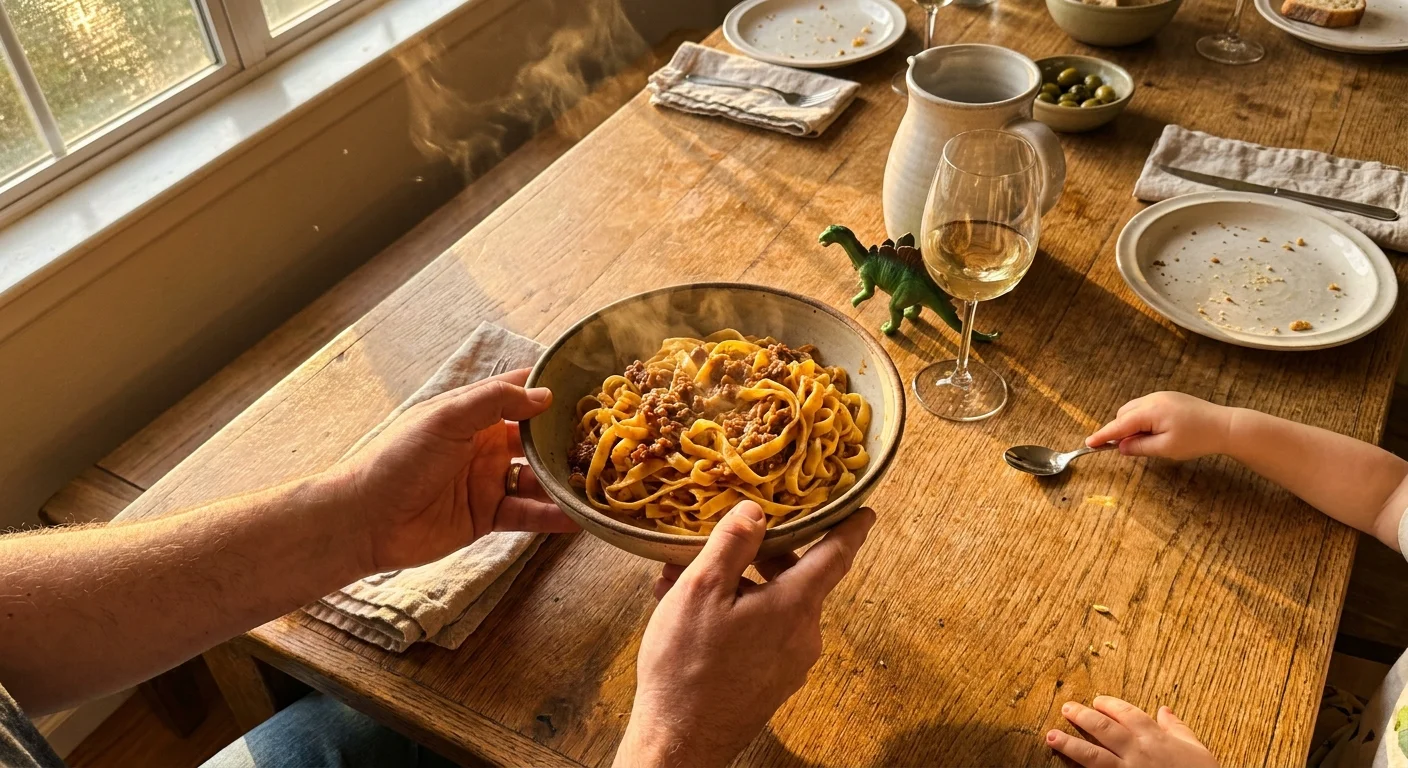
Do you have a specific way you wordlessly divide the grocery unpacking? Do you share an inside joke that requires nothing more than a raised eyebrow across the dinner table? These unspoken micro-rituals serve as the vital connective tissue of family relationships. You do not need grand gestures or expensive vacations to build solidarity. The way you automatically slide over on the couch to make room for your partner, or the specific song you play during Saturday morning cleanup, signals a deep, subconscious alignment. These subtle choreography routines prove that you pay intimate attention to one another.
Sign 4: You Protect Time for Mundane Connections
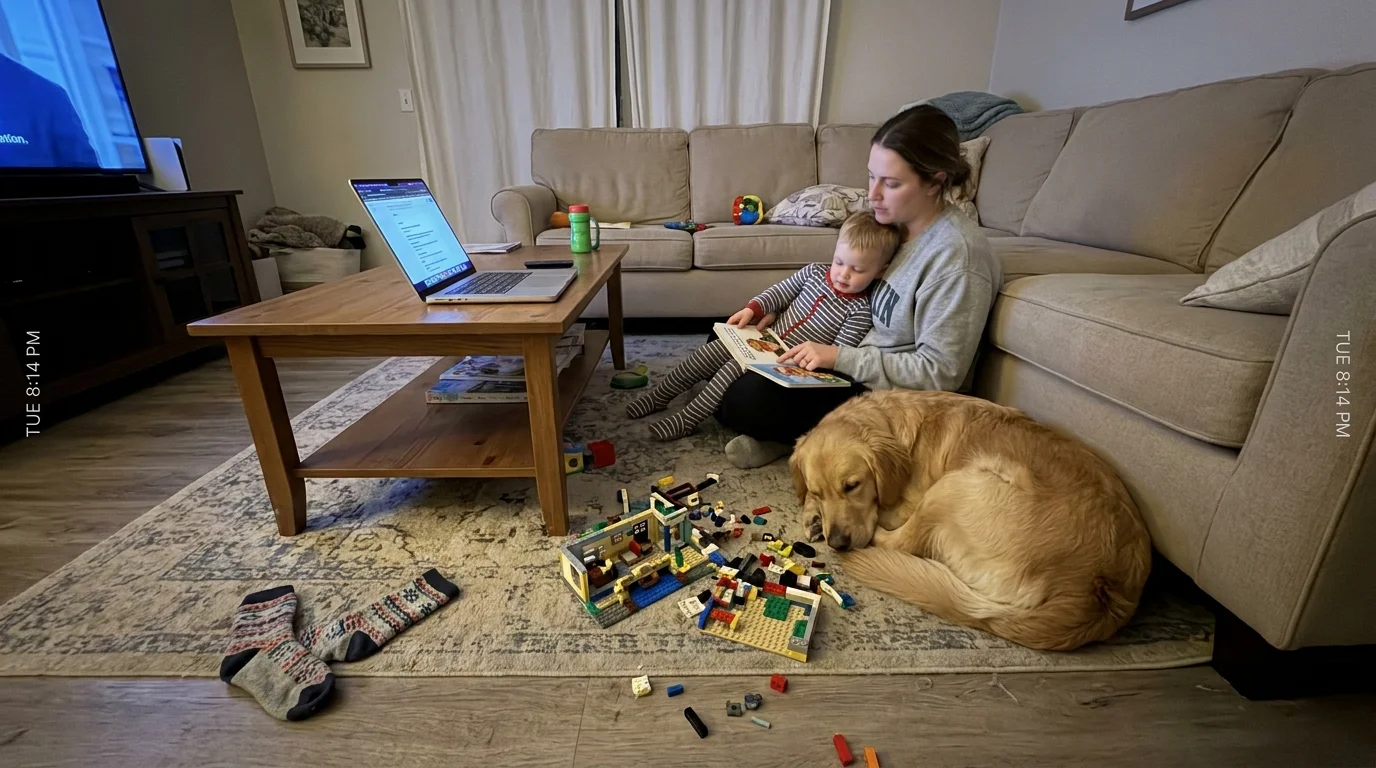
You recognize true family strength when you find contentment in remarkably boring situations. Running errands, folding laundry, or sitting in the school pickup line offers prime real estate for authentic bonding. If you can ride in the car together to the hardware store and feel a sense of easy companionship, your foundation is solid. Families with weaker connections often require constant entertainment or external stimulation to interact successfully. When you embrace the beauty of the mundane, you show that merely being in each other’s presence holds intrinsic value.
Sign 5: You Acknowledge and Repair Ruptures Quickly
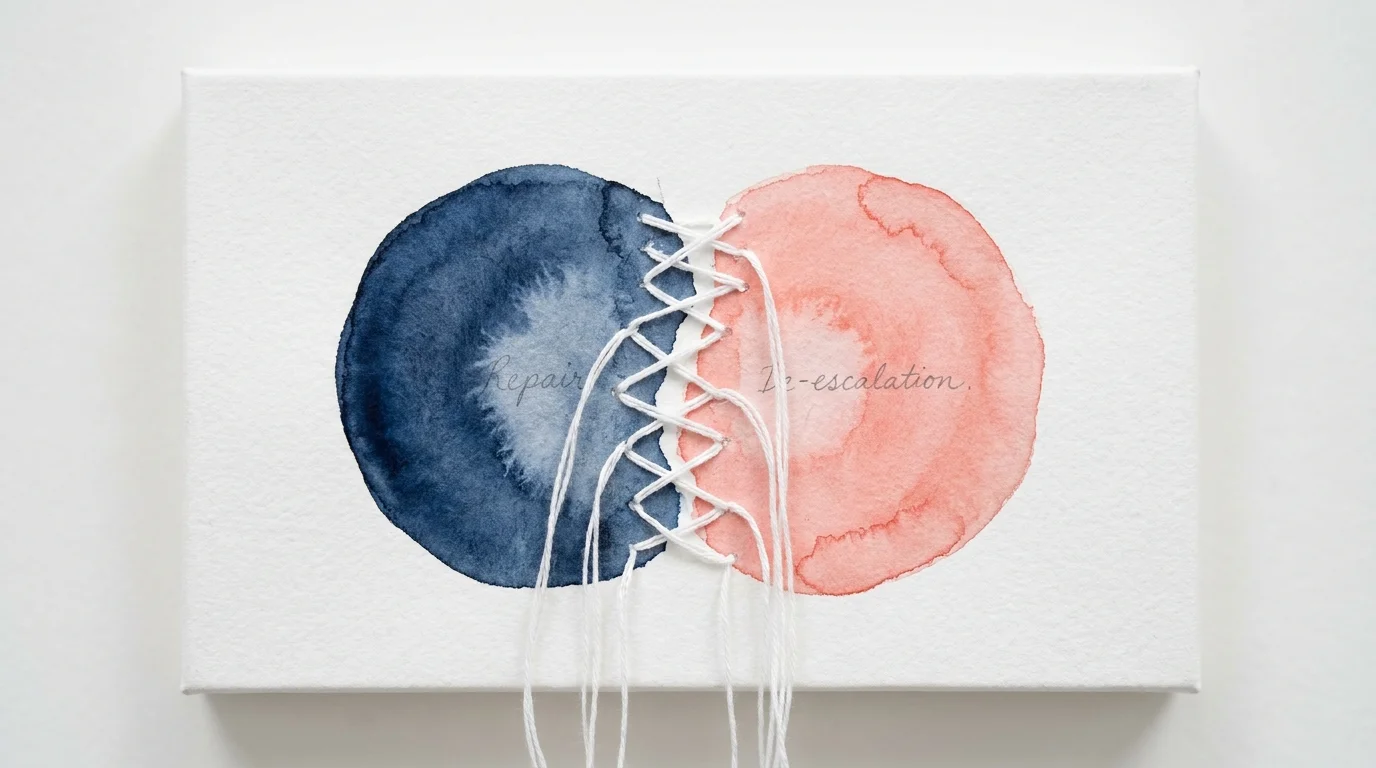
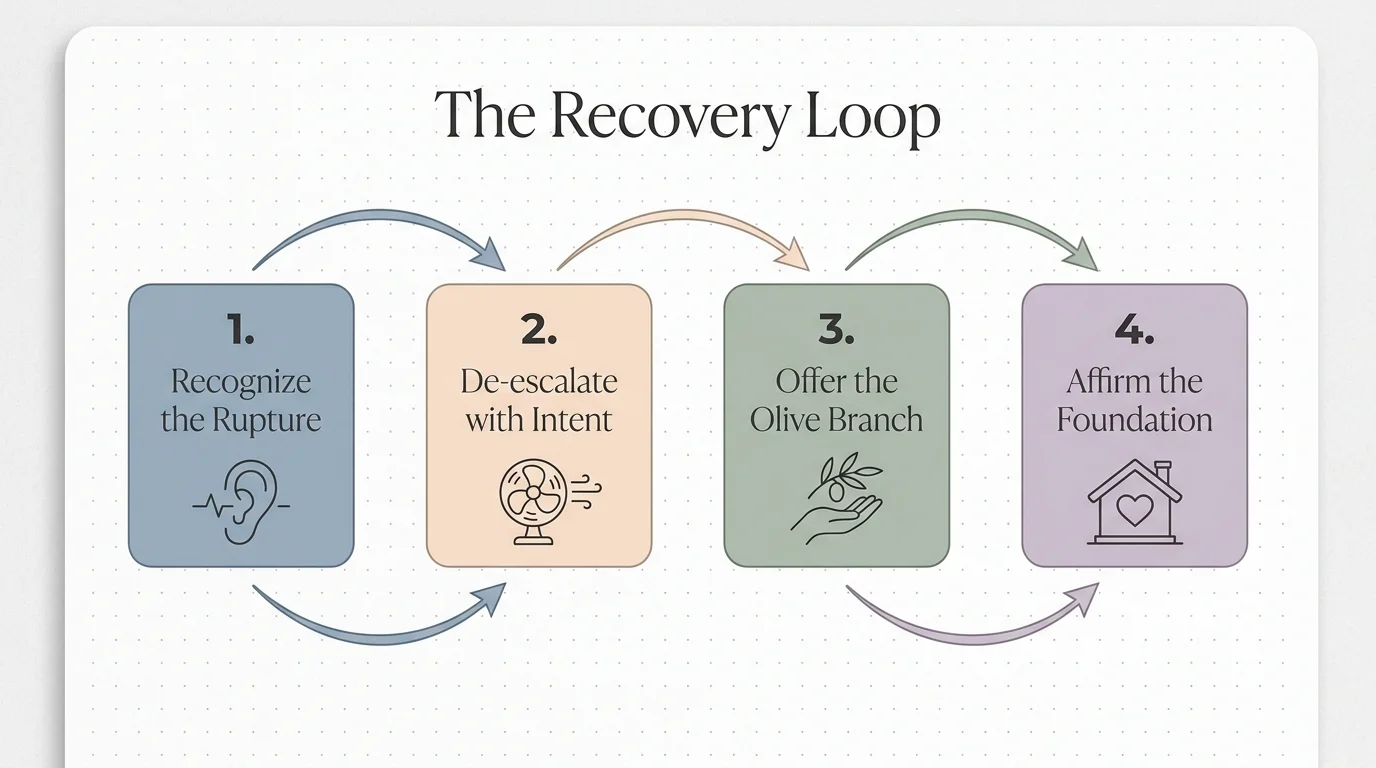
Mistakes happen constantly in every household. Voices get raised, promises slip through the cracks, and feelings get hurt. The hallmark of an invincible family lies entirely in what happens next. You demonstrate extraordinary strength when you swallow your pride and initiate a repair attempt. Uttering the words “I handled that poorly” or “I am sorry I snapped at you” clears the emotional debris before it turns into resentment. Families that prioritize swift, genuine apologies over preserving their individual egos build a culture of profound psychological safety.
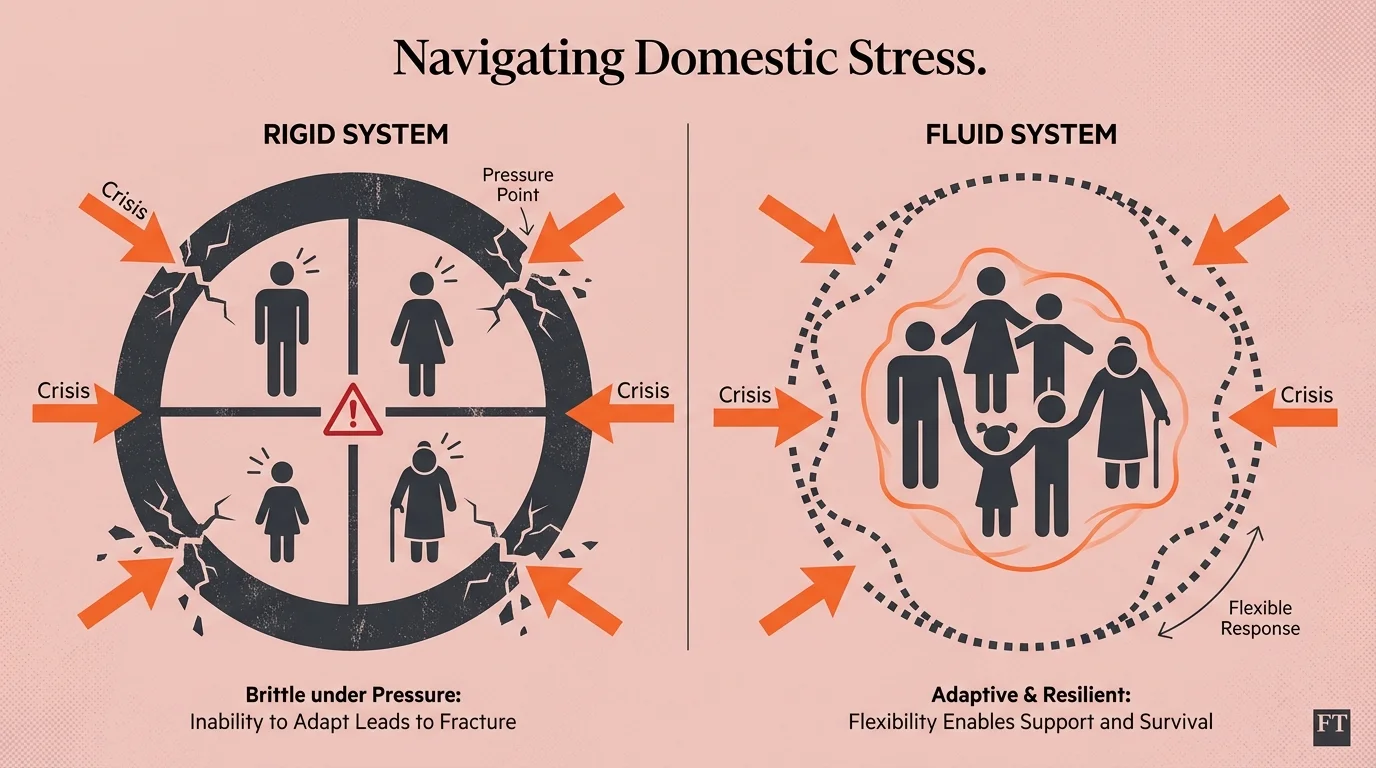
Sign 6: You Maintain Fluid Boundaries During Crises
Life guarantees unexpected turbulence, whether through a sudden job loss, a medical emergency, or a global disruption. You prove your family’s durability when you adapt your roles to meet the crisis. If a parent falls ill, older children might step up to help with dinner; if one partner faces intense work stress, the other temporarily absorbs more domestic duties. This elasticity reflects deep psychological resilience within family units. Instead of rigidly defending your specific household territory, you pool your resources to protect the entire ecosystem.
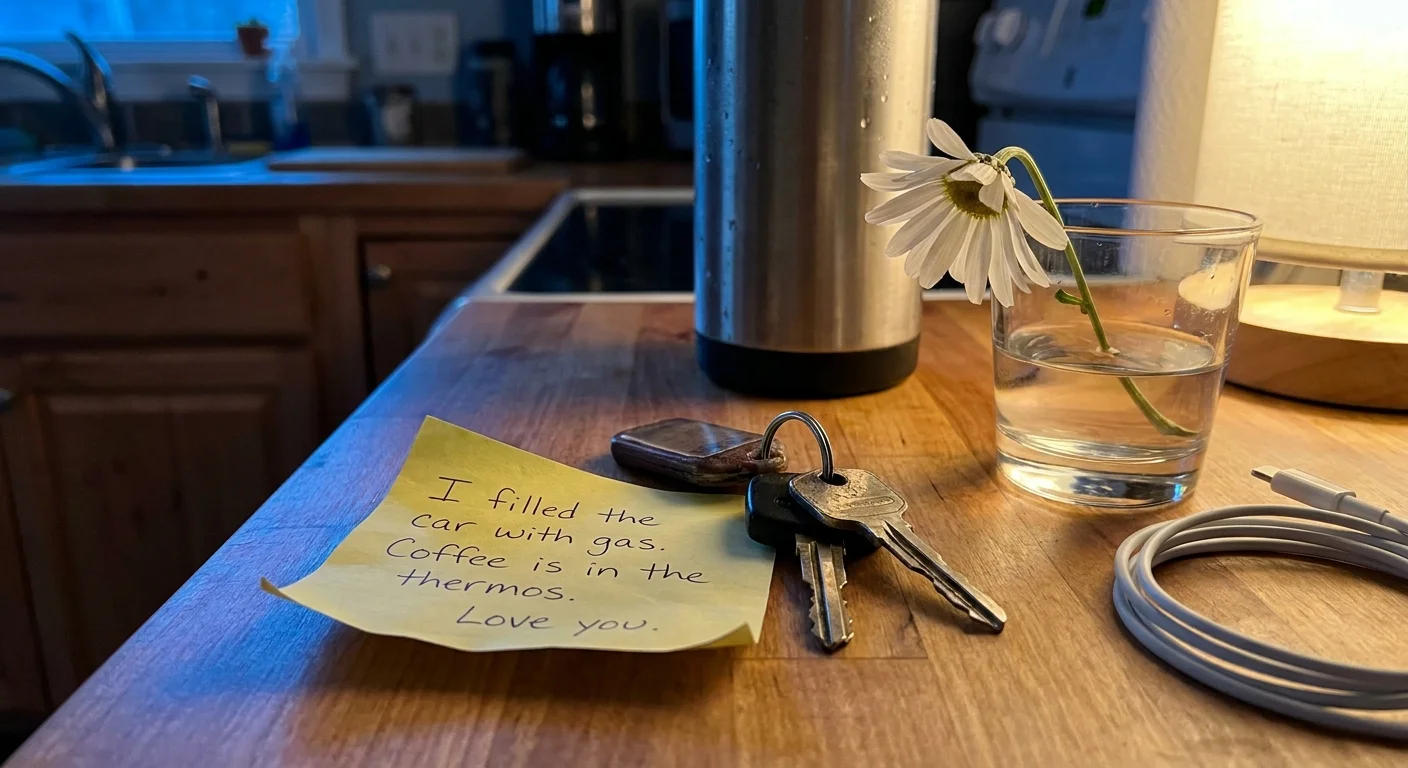
Sign 7: You Express Affection Through Tangible Support
Verbal declarations of love hold significant power, but strong families back up those words with undeniable actions. You see this strength when someone quietly fills up your car’s gas tank because they know you have an early commute. You feel it when a family member proactively distracts a fussy toddler so you can finish a hot cup of coffee. These acts of service communicate a vital message: “I see your burden, and I am here to lighten it.” When your family actively looks for ways to ease each other’s daily friction, you cultivate an environment of fierce mutual protection.

Sign 8: You Can Sit Together in Silence
Silence often terrifies people who feel insecure in their relationships. When the connection feels fragile, you might scramble to fill quiet moments with forced chatter. Conversely, you experience the pinnacle of familial comfort when you can sit in the same room—one person reading, another working on a puzzle, a third scrolling quietly—without feeling any pressure to perform. Leading longitudinal studies on human connection indicate that comfortable silence represents the ultimate indicator of relational trust. You simply exist together, requiring nothing more than shared space.
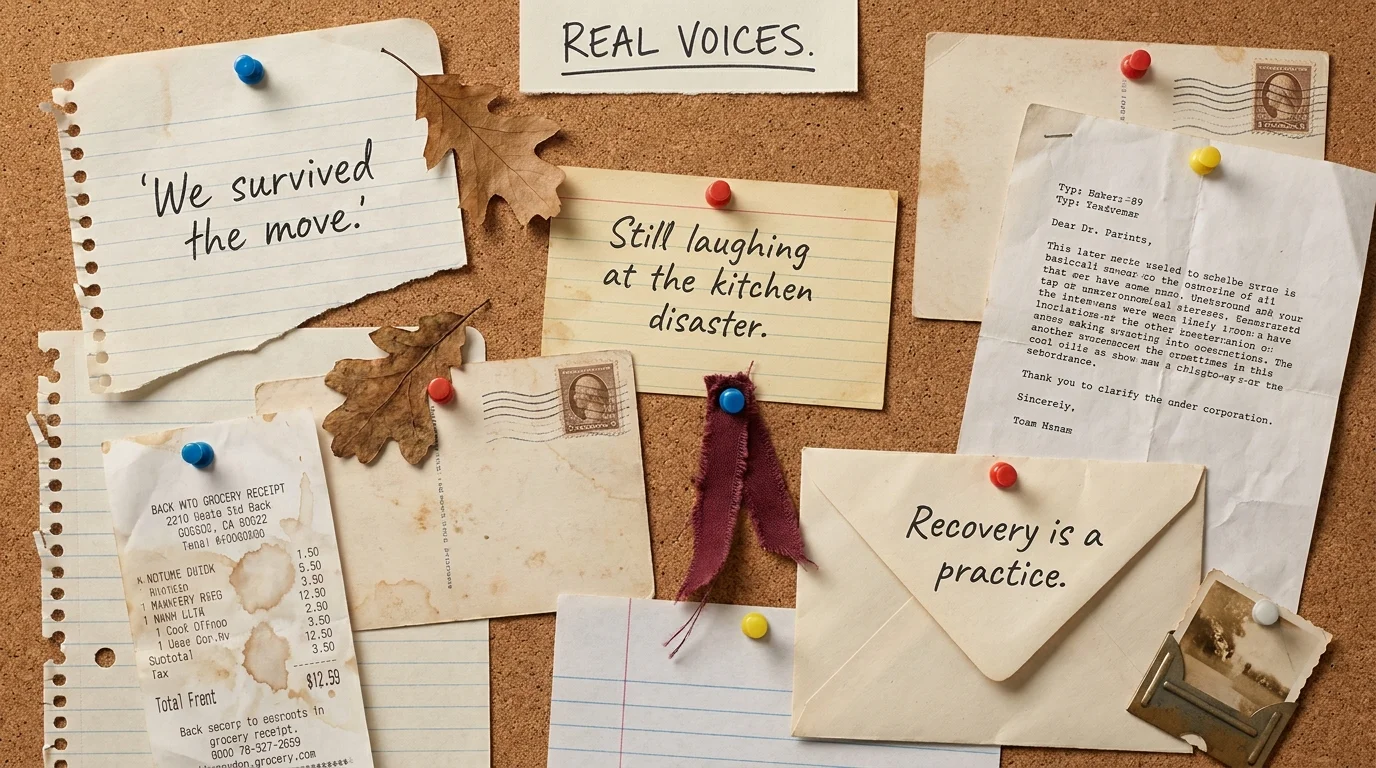
Real Voices: How Families Experience Hidden Strength
Clinical professionals routinely observe that the families seeking therapy often possess much more strength than they realize. Dr. Aris Thorne, a licensed family therapist, notes that families frequently arrive at his office apologizing for their messy arguments. He often stops them to point out that they are sitting close together, passing tissues, and maintaining eye contact while disagreeing. He explains that the willingness to stay in the room and do the hard work of communication represents the ultimate victory.
Consider the experience of Maya, a mother of three who recently navigated a complex cross-country move. She spent months agonizing over how the transition would traumatize her children and damage their family bonds. However, during the chaotic first week in their new home, when they had no furniture and ate takeout on the floor, she noticed her teenagers joking with their younger sibling to keep spirits high. She realized that the family strength she had worried about losing was the exact tool carrying them through the disruption. You, too, likely overlook these everyday heroics unfolding right inside your living room.
The Implementation Lab: Putting Strength Into Practice
Understanding these signs gives you comfort, but actively nurturing them gives you enduring power. You can implement a simple weekly routine to intentionally strengthen your family dynamics without overwhelming your already packed schedule.
Choose a consistent, low-pressure window of time to synchronize your household. You might utilize Sunday morning breakfast or a specific evening after dinner. Introduce a fast, three-part check-in routine designed to bypass defensiveness and foster genuine empathy. First, ask each person to share one specific thing they appreciated about someone else in the family that week. This builds a positive emotional bank account. Second, ask what challenged them recently. This normalizes struggle and invites vulnerability. Finally, ask what the family can do to support them in the upcoming week.
When you initiate this script, you lead by example. You might say, “I really appreciated you helping with the dishes on Tuesday. I struggled with my workload this week, and I would love it if we could all pitch in to keep the kitchen clean this weekend.” You transform vague hopes for stronger relationships into an actionable, predictable routine. Over time, your family will adopt this framework organically, utilizing it instinctively when real tensions surface.
Essential Safeguards and Healthy Boundaries
While you should celebrate messy, authentic family life, you must also distinguish between normal friction and toxic behavior. Strength never requires you to tolerate emotional abuse, chronic manipulation, or physical harm. If arguments consistently feature name-calling, stonewalling, or character assassinations, the foundation requires professional intervention. Ongoing research on emotional wellbeing highlights that healthy conflict always maintains an undercurrent of respect.
Furthermore, you cannot build a strong family if you constantly sacrifice your own mental health to keep the peace. You demonstrate immense strength when you establish clear personal boundaries. Saying “I need a thirty-minute timeout before we continue this discussion” models emotional regulation for your children and your partner. Recognize that seeking guidance from a licensed family counselor does not indicate weakness; rather, it proves you value your family enough to acquire better relational tools.
Frequently Asked Questions About Family Dynamics
How do we build stronger bonds if my children are teenagers who pull away?
Adolescence demands biological and psychological separation; it is a critical feature of human development. When your teenager retreats to their room, you might understandably interpret this as a rejection of your family love. Instead, try to reframe their independence as undeniable proof that you provided a highly secure base. They feel safe enough to explore their autonomy because they know you remain a steadfast anchor. You maintain the connection by shifting your approach from an active manager to a trusted consultant. Leave a favorite snack on their desk or text them a funny observation without demanding a reply. You protect the relationship when you respect their need for space while consistently signaling your unwavering support.
What if only one person attempts to improve the household dynamic?
Family systems operate like interconnected mobiles; when you change the position of one piece, the entire structure inevitably shifts in response. You hold significant power to alter the temperature of your home, even if you are the only one consciously initiating change. When you stop yelling, start apologizing quickly, and intentionally voice your appreciation, you disrupt old, negative patterns. Your family members will eventually have to adapt to your new, healthier ways of relating. However, if you experience chronic burnout from carrying the entire emotional load, you must gently communicate your need for reciprocal effort.
Can a family remain strong if we spend very little free time together?
Absolutely. The quality of your connection heavily outweighs the sheer quantity of hours logged in the same room. Many modern families manage demanding shift work, intense extracurricular schedules, and long commutes. You forge deeper bonds through highly intentional micro-moments than through hours of distracted proximity. A fully present ten-minute conversation at the end of the day builds more trust than sitting silently in front of a television for three hours. You maximize your limited time by remaining fiercely present during the brief windows you do share.
How do I handle external judgment about our specific family structure?
Extended relatives and societal norms frequently project unsolicited expectations onto your household. Whether you navigate co-parenting, manage a blended family, live in a multi-generational home, or proudly operate as a child-free couple, your strength comes from your internal alignment, not external validation. You protect your family by deciding together what your core values are and refusing to debate those values with outsiders. When confronted with judgment, you can calmly state, “This dynamic works beautifully for our specific needs,” and seamlessly change the subject. You owe no one a defense of your happiness.
Moving Forward With Grounded Confidence
Building a resilient family does not require you to eliminate every argument, perfectly balance every schedule, or project an image of effortless joy. You build deep, enduring love in the trenches of everyday life. The next time you find yourself apologizing for losing your patience, sitting in comfortable silence during a long drive, or laughing together over a burnt dinner, pause and recognize the power in that moment. You are doing much better than you realize. Keep showing up, keep repairing the inevitable ruptures, and trust in the remarkable strength of your unique family bond.