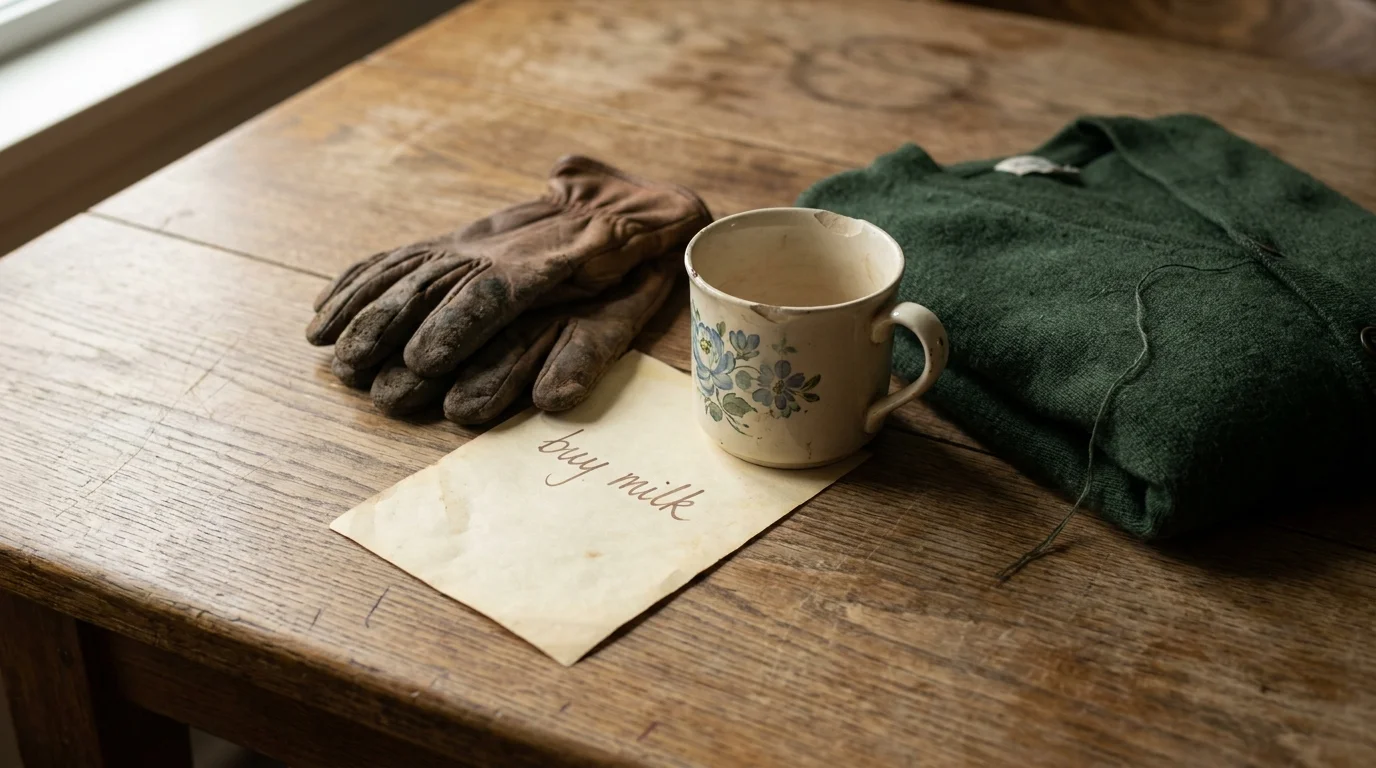
Preserve the legacy of a departed loved one and deepen your family bonds by recognizing the hidden value in everyday objects before they fade away. While society conditions us to prize financial inheritances, grief experts tell a different story about what we truly cling to when someone is gone. The chipped coffee mug, the hastily scribbled grocery list, and the worn-out gardening gloves hold the raw emotional resonance of a life lived alongside yours. Understanding why seven seemingly mundane family heirlooms transform into irreplaceable sentimental items helps you proactively safeguard your history. When you mindfully curate these tangible artifacts today, you give yourself and future generations a permanent anchor to the people who shaped your entire world.
The Psychological Stakes of Sentimental Items
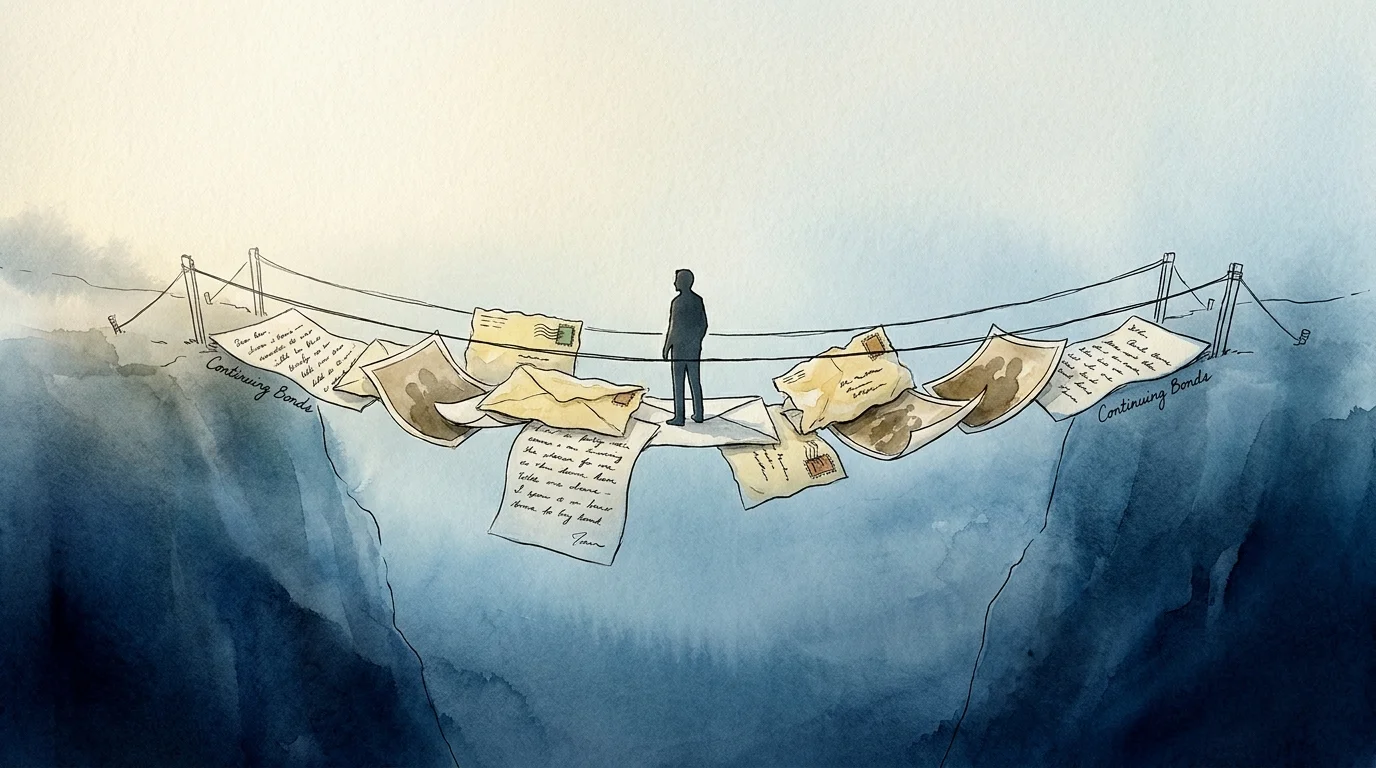
When a loved one passes away, you face the immediate, overwhelming task of sorting through the physical evidence of their existence. Society often rushes this deeply emotional process; well-meaning friends might encourage you to quickly empty closets and sell off property to gain closure. However, clinical psychology recognizes that holding onto specific, highly personal objects plays a vital role in healthy bereavement. The concept known as continuing bonds theory proposes that grief is not about severing your ties to the deceased, but rather about completely transforming your relationship with them. Tangible items serve as bridges across the chasm of loss, allowing you to maintain a physical connection to the person you miss.
Researchers studying human behavior continuously highlight how families construct their shared identities through ordinary rituals and the objects associated with them. The American Psychological Association notes that integrating memories into your ongoing life—often facilitated by keeping sentimental items—can significantly improve your emotional resilience following a profound loss. These artifacts act as touchstones. They offer immediate comfort during moments of acute grief and provide a concrete way to introduce a missing parent, partner, or sibling to future generations. Furthermore, when you look at an object that holds shared meaning, you actively reinforce the emotional foundation of your family. The Gottman Institute frequently emphasizes that fostering shared meaning strengthens interpersonal connections. By intentionally preserving items that encapsulate your family bonds, you are doing the difficult work of relational maintenance across the boundary of life and death.
Seven Everyday Objects That Transform Into Priceless Family Heirlooms
You might expect your family to fight over the antique silver or the expensive jewelry, but the reality of estate sorting frequently surprises grieving relatives. The most intense emotional reactions are usually triggered by items with absolutely zero monetary value. The following seven categories of everyday objects hold immense psychological weight because they capture the unfiltered essence of the person you loved.
The Handwritten Grocery Lists and Sticky Notes
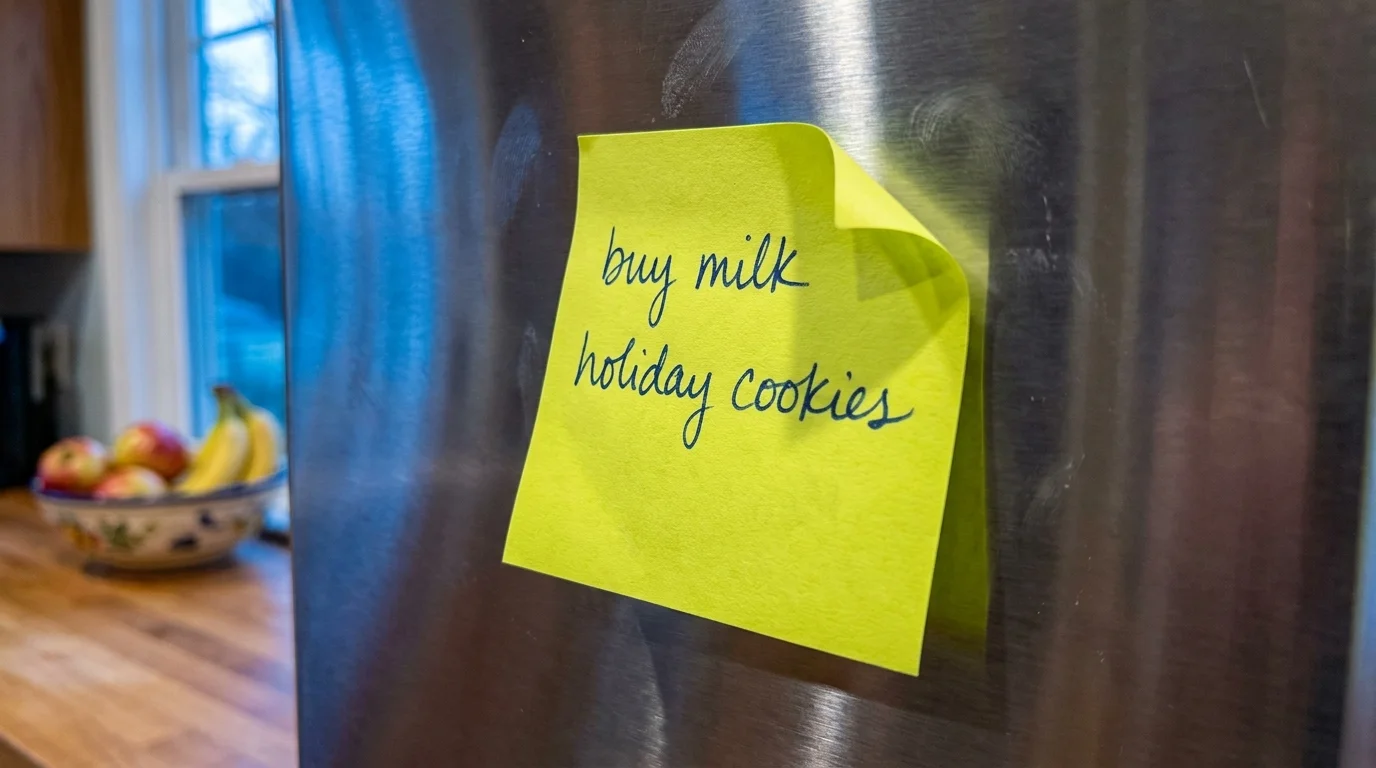
In our increasingly digital world, handwriting represents a deeply intimate, physical act. When your loved one pressed a pen into paper, they left behind a unique visual representation of their physical body in motion. The specific slant of their cursive, the hurried print on a neon sticky note reminding you to buy milk, or the carefully transcribed recipe for holiday cookies—these everyday pieces of paper become extraordinarily precious. You can trace their letters with your finger and feel the ghost of their presence. Unlike formal legal documents, these spontaneous jottings capture their everyday mind and their quiet daily devotion to the household routine.
The Scent-Infused Sweaters and Worn Jackets
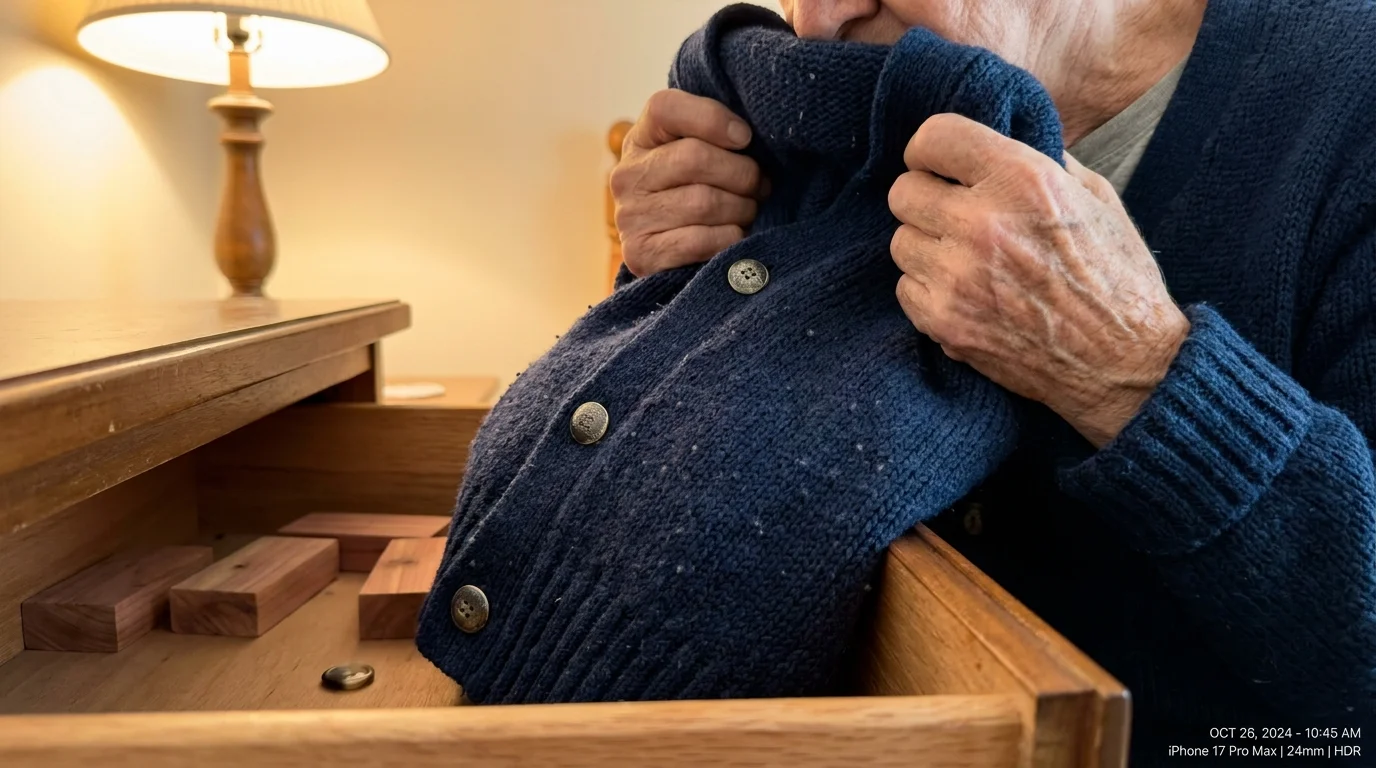
Scent triggers human memory faster and more intensely than any other sense. The specific combination of your loved one’s laundry detergent, their preferred cologne, and their natural body chemistry gets permanently trapped in the thick fibers of their most frequently worn clothing. Neuroscience offers a clear biological explanation for this phenomenon; the brain’s olfactory bulb has direct neural pathways to the amygdala and the hippocampus, the regions responsible for emotion and memory processing. Research from Harvard University reinforces how closely our olfactory systems are tied to emotional recall. Keeping a favorite flannel shirt or a thick winter cardigan tucked away in a sealed bag allows you to occasionally open it and experience the visceral, instant comfort of their smell. It remains a profound, sensory way to feel close to them when their absence feels unbearable.
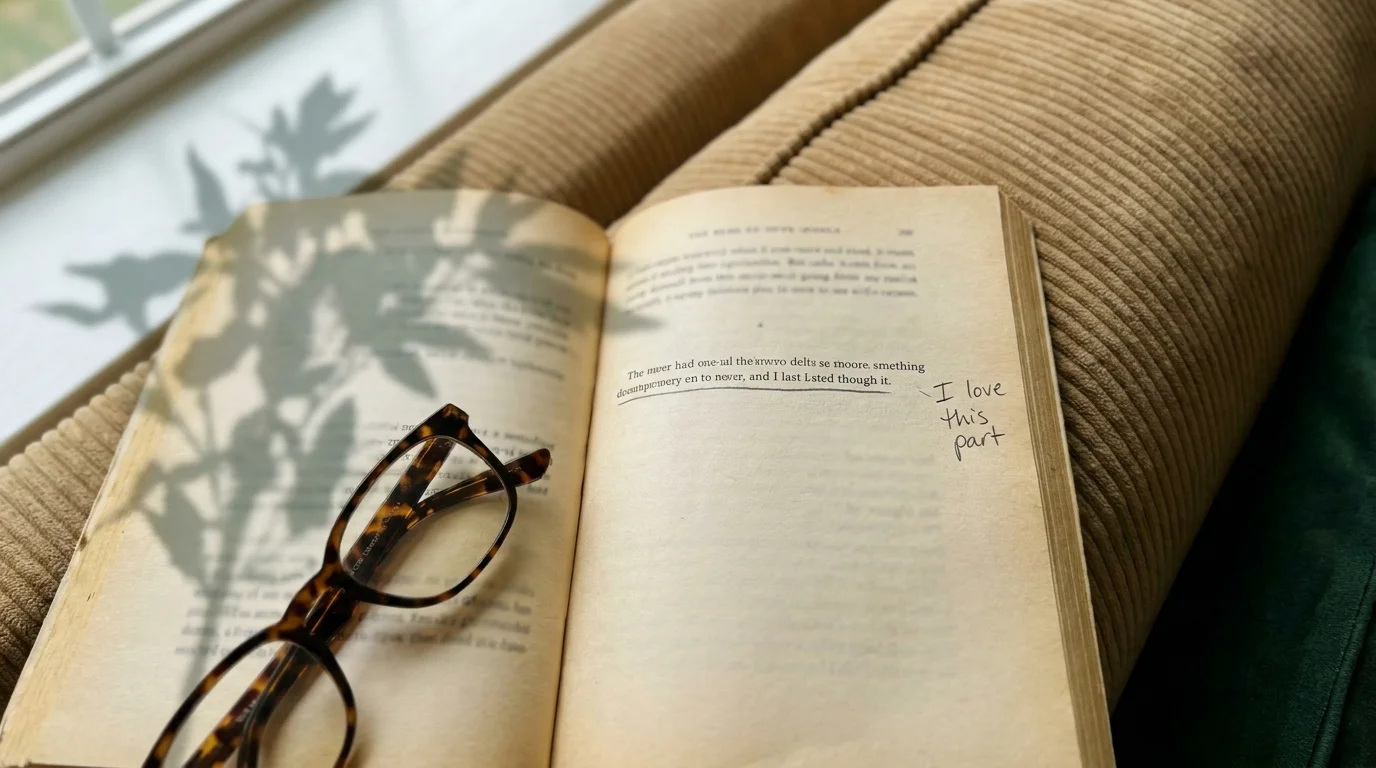
The Marginalia in Heavily Read Books
A pristine, unread book holds little sentimental value to a grieving family. Conversely, a heavily worn paperback filled with dog-eared pages, aggressively underlined passages, and chaotic margin notes is a treasure trove of your loved one’s inner life. When you read the passages they highlighted, you engage in a silent, cross-temporal dialogue with them. You get to discover exactly what moved them, what they found humorous, and what grand philosophies they debated in their own minds. These scribbled annotations provide a clear window into their intellect and their private thoughts, turning an ordinary mass-market paperback into an irreplaceable map of their consciousness.
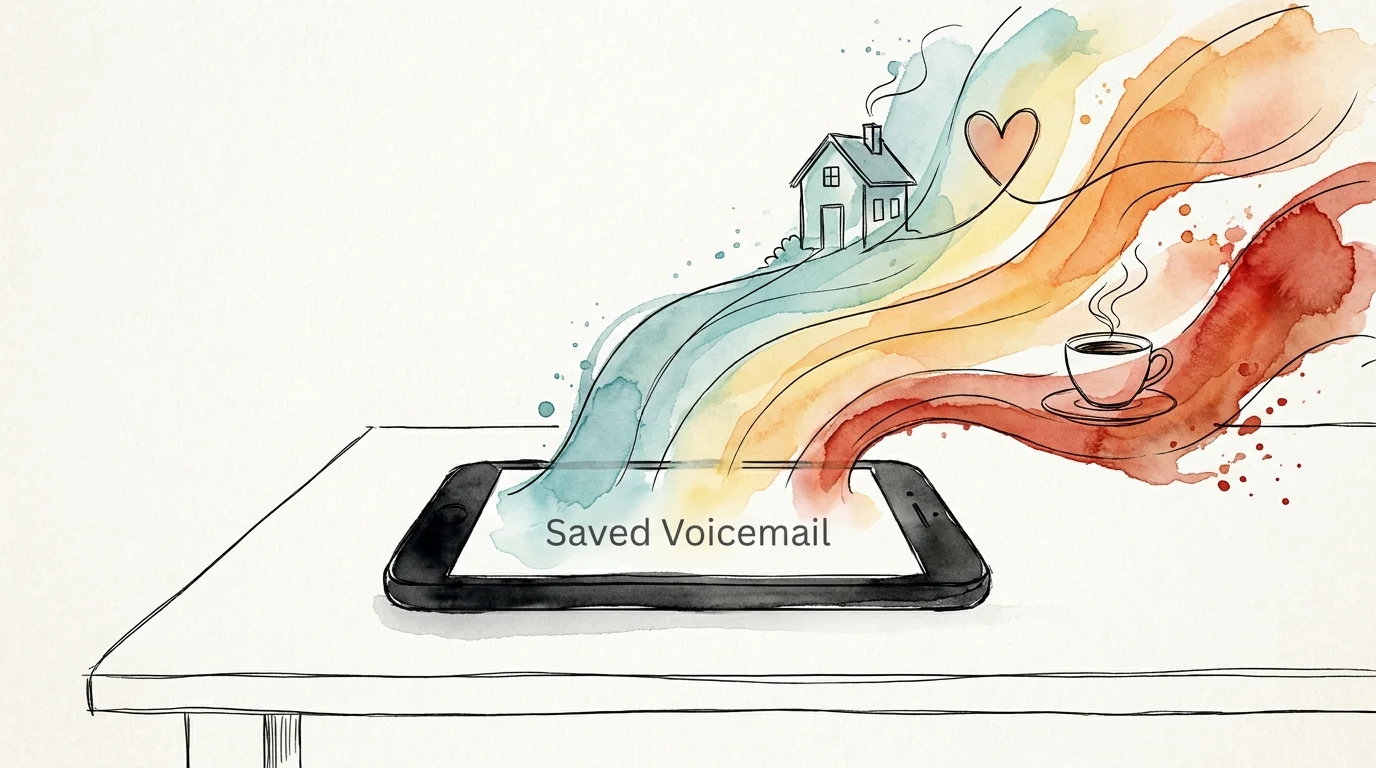
The Saved Voicemails and Casual Audio Recordings
The human voice is tragically one of the very first memories to fade after someone passes away. You might vividly remember the exact shape of their face but struggle to recall the specific cadence of their laugh or the pitch of their voice when they said your name. Casual audio recordings—like an old, rambling voicemail wishing you a happy birthday or a background voice in a chaotic holiday video—become lifelines to their living energy. These digital artifacts capture their tone, their breath, and their unique way of speaking, offering you a dynamic piece of their personality that static photographs simply cannot convey.
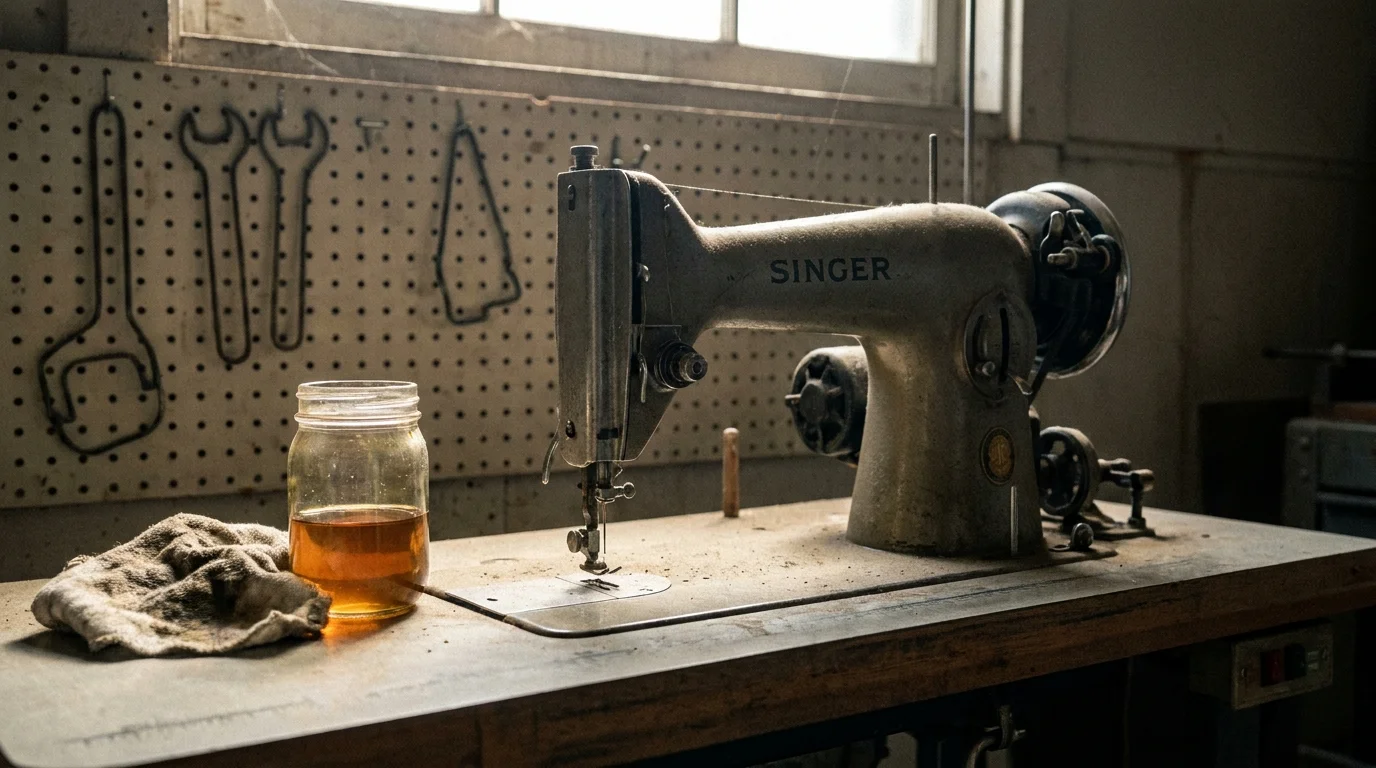
The Utilitarian Tools of Their Daily Trade
Objects designed for daily, repetitive use physically mold themselves to the user over time. The wooden handle of your grandfather’s gardening trowel, smoothed by decades of friction from his calloused hands, or the deeply stained rolling pin your mother used for every Sunday pie—these utilitarian tools carry the literal imprint of their physical labor. When you hold these items today, your hand rests exactly where theirs did. You inherit not just the gardening tool or the kitchen gadget, but the enduring legacy of their work, their personal hobbies, and the physical effort they poured into caring for their home and family.
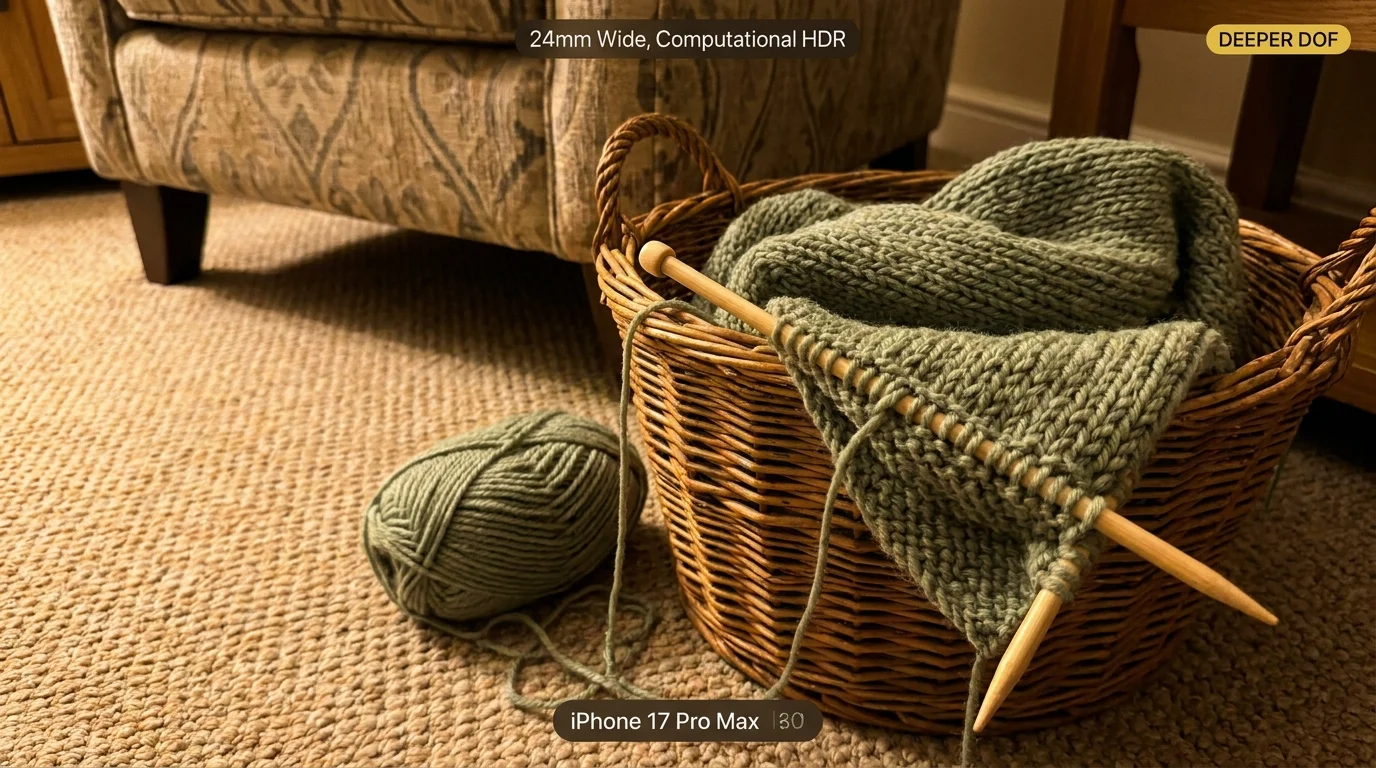
The Unfinished Projects and Craft Supplies
There is a unique poignancy attached to an incomplete task. A half-knit baby blanket still resting on the needles, a partially restored piece of wooden furniture in the garage, or a sketchbook filled with half-drawn portraits represents your loved one’s ongoing vitality right up until the end. These items prove that they were looking forward to the future and actively engaged in creation. While seeing unfinished work can initially trigger profound sadness, these items eventually become cherished symbols of their enduring passions and their unstoppable creative spirit.
The Inexpensive Souvenirs Tied to Inside Jokes
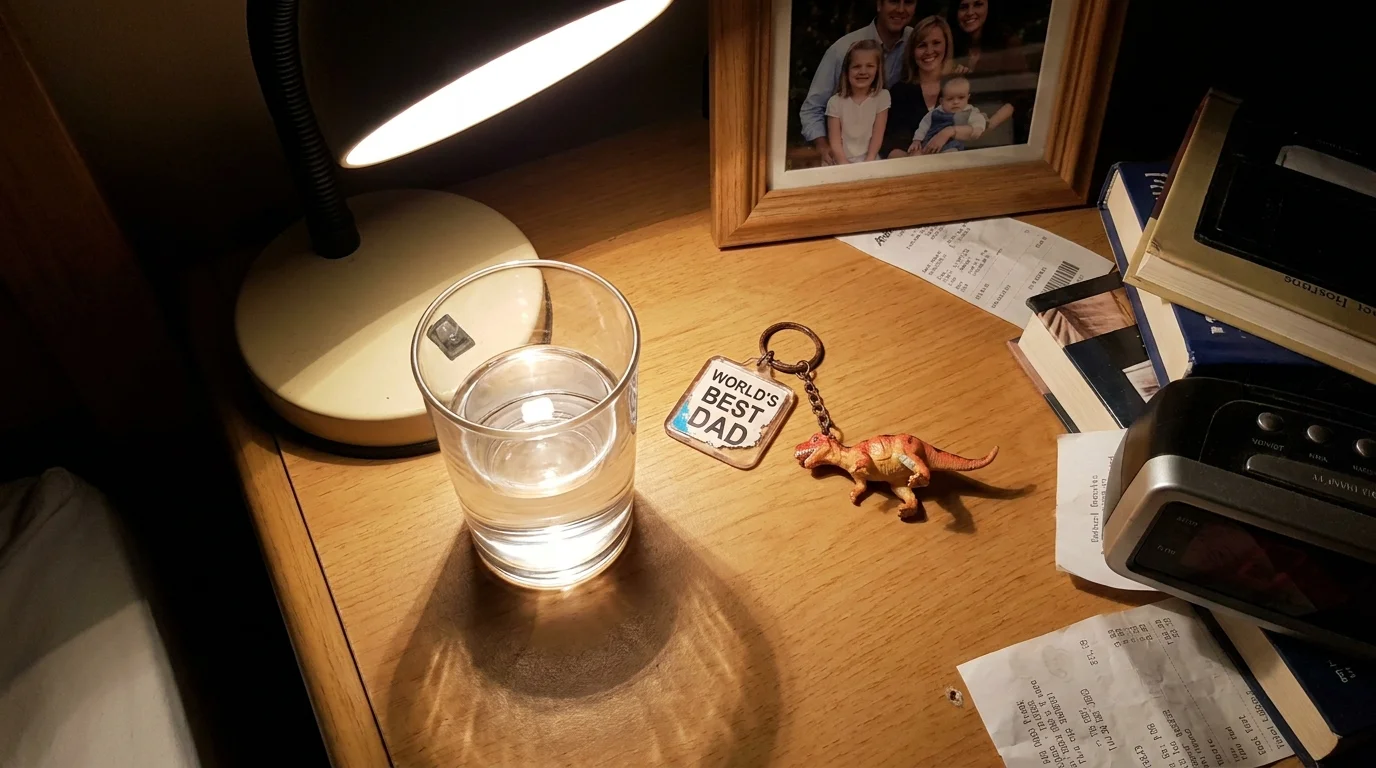
Strong relationships are always built on shared humor and private languages. The incredibly ugly coffee mug they bought at a rest stop on a disastrous road trip, or the bizarre refrigerator magnet you playfully hid in each other’s homes as a running gag, holds absolutely no value to an outside observer. Yet, to you, it represents a moment of pure, exclusive joy. These odd nicknacks validate the uniqueness of your relationship. They prove that you shared a distinct, unrepeatable bond, making these quirky objects far more valuable than anything purchased at a luxury store.
Expert and Real Voices on Preserving Family Bonds
Grief counselors regularly witness the profound comfort these everyday objects bring to their clients. Therapists consistently emphasize that humans are inherently tactile creatures; we desperately need physical totems to ground our abstract feelings of profound loss. By consciously choosing to preserve these specific artifacts, you are validating your own complicated grieving process and giving your heavy emotions a physical place to rest.
Consider the experience of a reader named Elena, who wrote to us about the grueling process of clearing out her grandmother’s apartment. Elena initially felt immense pressure from her extended family to quickly discard the clutter in the tiny kitchen. However, she secretly packed away a battered, flour-dusted recipe tin. Months later, when the shock of the funeral had finally worn off and the quiet, heavy reality of the loss set in, Elena opened that tin. Finding an old index card where her grandmother had aggressively crossed out a luxury ingredient and written “too expensive; use butter instead” brought a sudden, healing burst of laughter. Elena realized that the rusty tin held her grandmother’s pragmatic, loving voice. It instantly became a focal point for Elena’s healing, providing a tangible way to invite her grandmother into her own kitchen whenever she cooked meals for her children.
Implementation Lab: How to Curate Meaningful Artifacts
Translating this psychological understanding into practical action requires a deliberate strategy. When you face the emotionally exhausting task of emptying a childhood home or a shared apartment, you need a solid framework to help you decide what to keep without becoming paralyzed by indecision.
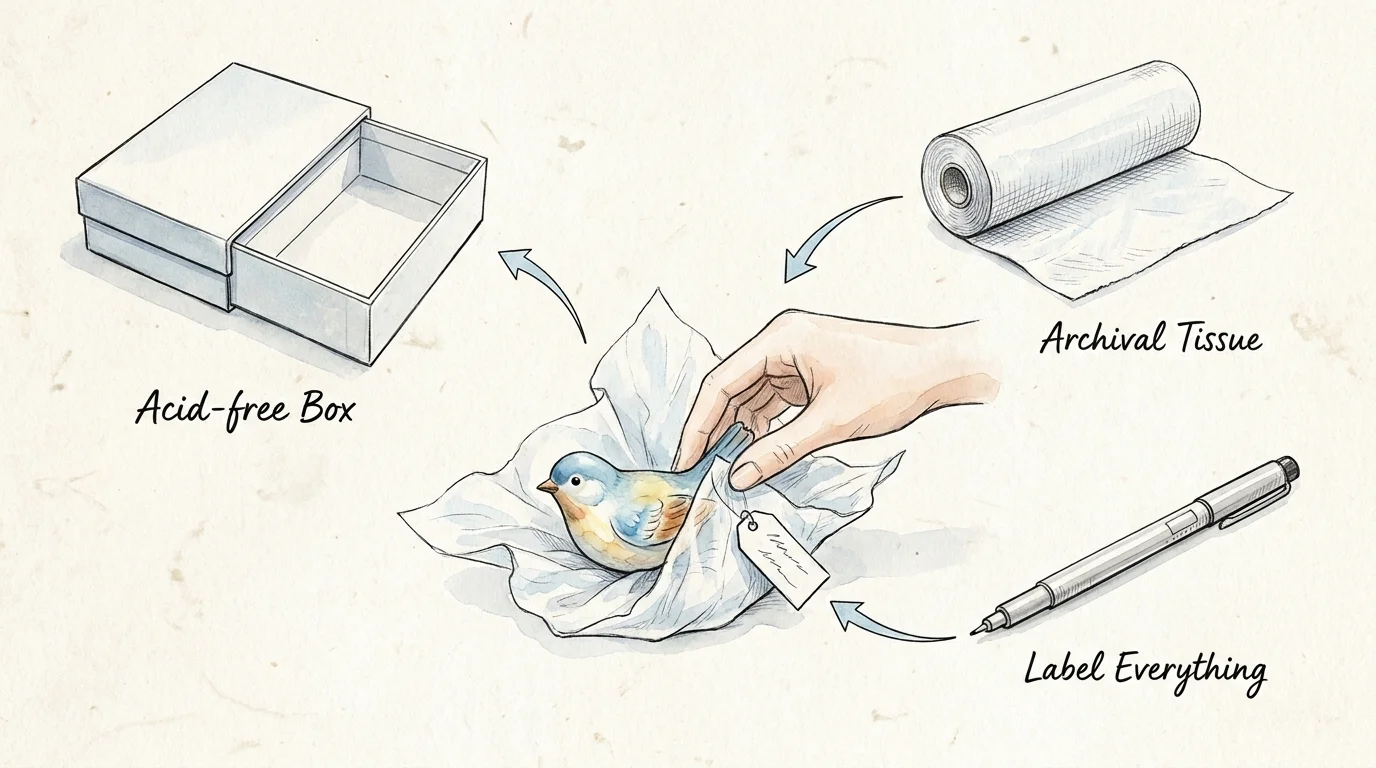
First, implement a designated memory box system for small, easily misplaced items like handwritten notes, keychains, and inexpensive trinkets. Choose a sturdy, beautiful container that you feel deeply proud to display in your living space. When you encounter an item that sparks a strong memory, place it carefully in the box. If the box becomes too full, you must pause and carefully evaluate which items hold the strongest emotional charge, keeping only the most potent artifacts and releasing the rest.
Navigating fraught family dynamics during this process demands clear, empathetic communication. Siblings and relatives often attach entirely different meanings to the exact same objects, which can quickly lead to unexpected conflict. Use a direct but highly compassionate script when discussing these items. You might say, “I know we both deeply cherish our memories of Dad working out in the garden. I would love to keep his old watering can because it reminds me of the summers we spent planting tomatoes together. Are there specific tools or items in the shed that hold strong memories for you?” This gentle approach invites collaboration rather than fierce competition, helping your family preserve your shared history without fracturing your current relationships.
For larger items that you simply cannot physically keep in your home, use high-quality photography to capture their memory. You can take beautiful, stylized photos of an unfinished woodworking project or a massive collection of vintage books, preserving the visual memory and the rich story behind the object without burdening your own limited living space.
Safeguards for Your Mental Health During the Sorting Process
While keeping sentimental items remains a deeply healthy aspect of the normal grieving process, you must remain vigilant about your own mental well-being. The powerful desire to hold onto a lost loved one can occasionally cross the line into paralyzing behavior, particularly when you feel entirely unable to discard anything they ever touched.
A significant red flag appears when your attachment to their belongings begins to negatively impact your daily life, your personal living space, or your current relationships. If keeping every single item feels like an urgent necessity driven by dread rather than a comforting choice driven by love, you may be experiencing complicated grief. The National Institute of Mental Health provides extensive resources for recognizing when natural grief transitions into a prolonged, debilitating condition. Holding onto family objects should bring you a sense of enduring connection and peace, not crushing anxiety and hazardous physical clutter. If you find yourself experiencing severe distress at the thought of parting with a stack of old newspapers simply because your loved one read them, it is incredibly beneficial to seek the guidance of a licensed grief counselor. A trained professional can help you safely navigate these intense feelings and establish highly healthy boundaries around your sentimental preservation.
Frequently Asked Questions About Handling Sentimental Belongings
How do I handle the guilt of donating a loved one’s possessions?
Guilt is a nearly universal response when clearing out an estate, but you must constantly remind yourself that your loved one’s true essence does not reside in their material goods. Keep the few specific items that genuinely spark a profound connection, and recognize that donating the rest allows those objects to serve a vital purpose for someone else in need. You are deeply honoring their memory by letting their useful items continue to be utilized in the world, rather than decaying unseen in a dark attic.
What should I do if family members fight over objects with no financial value?
Fierce conflicts over seemingly worthless items are never actually about the objects themselves; they are almost always about a desperate, raw need to feel close to the deceased. When tensions inevitably rise, step back and verbally acknowledge the shared pain in the room. Suggest taking turns choosing items, creating a fair rotation schedule for highly coveted pieces, or finding creative ways to replicate the item, such as making high-quality scanned copies of handwritten recipes for everyone in the family.
How can I preserve the scent of clothing for as long as possible?
To successfully extend the lifespan of an olfactory memory, you must absolutely avoid washing the item. Fold the garment carefully in acid-free tissue paper and place it inside a high-quality, airtight plastic storage bag or a tightly sealed glass container. Store the sealed container in a cool, dark place to prevent the natural breakdown of the scent molecules. Open the container only on the specific days when you truly need that intense sensory comfort.
Is it normal to feel more attached to a cheap trinket than an expensive family heirloom?
Absolutely. Human attachment is driven entirely by emotional resonance, not by retail value. A cheap plastic keychain might flawlessly represent a deeply funny inside joke or a wonderful vacation you shared, while an expensive piece of gold jewelry might have spent decades locked away in a safe, completely detached from your vibrant daily interactions with the person. Always trust your emotional instincts regarding what feels truly valuable to your healing heart.
Moving Forward With Intention
Curating the specific artifacts of a life fully lived is an act of profound, enduring love. As you brave the difficult work of sorting through the physical remnants of your shared history, give yourself ongoing permission to move slowly, cry freely, and find unexpected flashes of joy in the small details. You are not just blindly packing away old belongings; you are deliberately constructing the sturdy bridge that will carry your loved one’s bright memory directly into your future. This week, try to locate just one mundane object in your home that strongly connects you to someone you miss. Hold it in your hands, trace its worn edges, and let the warm memories wash over you completely. You carry their beautiful legacy forward simply by choosing to remember.